
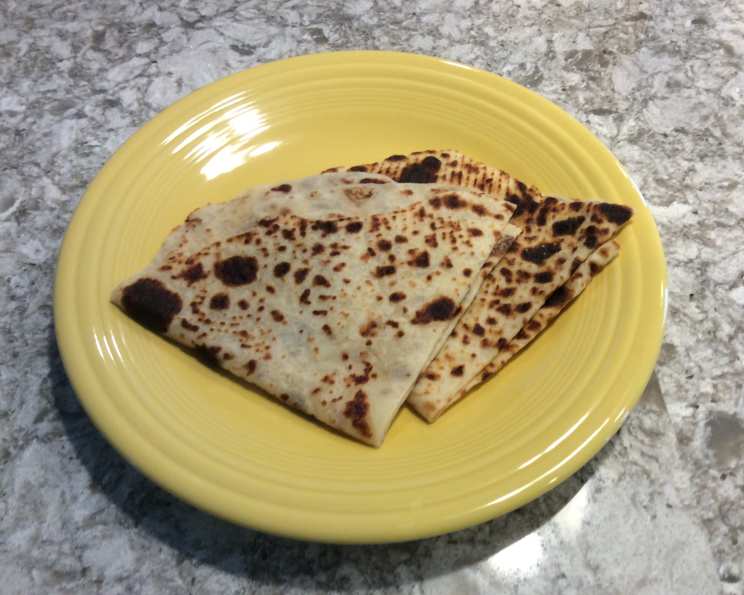
Instant Potato Norwegian Lefse: A Taste of Christmas Past
The scent of lefse frying always transports me back to my grandmother’s kitchen, a flurry of flour and laughter amidst the December chill. I remember standing on a stool, mesmerized as she deftly rolled out the thin, delicate rounds of potato dough, the air thick with the promise of holiday feasts. Each bite, slathered with butter and sprinkled with cinnamon sugar, was pure comfort, a tangible connection to generations past. Though her traditional recipe took hours, this quicker, modernized version, using instant potatoes, captures the same comforting essence, making it easy to bring a little bit of Norwegian Christmas magic to your own table.
Recipe Overview
- Prep Time: 30 minutes
- Cook Time: 30 minutes
- Total Time: 1 hour
- Servings: 6-8
- Yield: Varies depending on size of lefse
- Dietary Type: Vegetarian
Ingredients
- 4 cups potato flakes
- 4 tablespoons sugar
- 3 cups water
- 2 1/2 cups milk
- 1 1/2 cups butter
- 3 teaspoons salt
- 2-3 cups flour (enough to make a rolling dough)
- Vegetable oil or butter for greasing the pan
Equipment Needed
- Large saucepan or pot
- Large bowl
- Rolling pin
- Round cookie cutter or medium-sized glass
- Skillet pan
Instructions
- In a large saucepan or pot, bring the water to a boil over medium-high heat.
- Add the milk, butter, sugar, and salt to the boiling water. Allow the butter to melt completely and the mixture to come back to a gentle boil.
- Once the milk mixture is boiling, remove the pot from the heat and add the potato flakes. Stir vigorously with a wooden spoon or spatula until the mixture is smooth and the potato flakes have fully absorbed the liquid. Be careful to avoid any lumps.
- Pour the hot potato mixture into a large bowl. Cover the bowl with plastic wrap, pressing the wrap directly onto the surface of the potatoes to prevent a skin from forming.
- Refrigerate the potato mixture for at least 2 hours, or preferably overnight. This allows the dough to firm up and become easier to handle.
- When ready to make the lefse, remove the potato mixture from the refrigerator. Take out about 2 cups of the chilled potato mixture at a time, leaving the remaining mixture in the refrigerator to stay cold.
- On a lightly floured surface, gently knead in 1 to 1 1/2 cups of flour into the 2 cups of potato mixture until it forms a workable dough. The dough should be soft and pliable, but not sticky. Add more flour, a tablespoon at a time, if needed to achieve the right consistency.
- Lightly flour a clean counter surface. Using a rolling pin, roll out the dough as thinly as possible, ideally to about 1/8 inch thickness. The thinner the lefse, the more tender it will be.
- Use a round cookie cutter or the top of a medium-sized glass (approximately 3-4 inches in diameter) to cut out individual lefse rounds from the rolled-out dough. Re-roll any scraps and cut out more rounds until all the dough is used.
- Add about 1 teaspoon of vegetable oil or butter to a skillet pan over medium heat. Allow the pan to heat up until the oil or butter is shimmering.
- Carefully place the lefse rounds into the hot skillet, being careful not to overcrowd the pan. Cook for about 3-5 minutes per side, or until brown blisters start to form on the top surface.
- Flip the lefse rounds and cook for another 3-5 minutes, or until the other side is also golden brown and blistered.
- Remove the cooked lefse from the skillet and place them on a clean plate or a wire rack to cool slightly.
- Continue to cook the individual lefse rounds until all of the potato dough is used. You may be able to cook several lefse at a time if you have a large enough skillet. If not, cook them one at a time for best results.
- Any leftover cooked lefse can be refrigerated in an airtight container for up to 3-5 days.
Expert Tips & Tricks
- Keeping Cool: The key to working with lefse dough is to keep it cold. Work in small batches and keep the remaining dough refrigerated until needed.
- Rolling Thin: Don’t be afraid to roll the dough very thin! Thin lefse are more tender and delicious. Use plenty of flour to prevent sticking.
- Perfect Blisters: The blisters are a sign that the lefse are cooking properly. Adjust the heat if they are browning too quickly or not forming at all.
- Preventing Sticking: If the lefse are sticking to the pan, try adding a little more oil or butter between batches. You can also gently scrape the pan clean with a spatula before adding the next lefse.
- Dough Too Sticky: If your dough is too sticky, add a tablespoon of flour at a time until you reach the right consistency.
- Dough Too Dry: If your dough is too dry and cracks when rolling, add a teaspoon of water at a time until it becomes pliable.
Serving & Storage Suggestions
Lefse is incredibly versatile! Serve it warm with a simple spread of butter and sugar, or get creative with fillings like cinnamon sugar, brown sugar, cream cheese, fruit preserves, or even savory options like cooked bacon or smoked salmon.
Store leftover cooked lefse in an airtight container in the refrigerator for up to 3-5 days. To reheat, you can warm them in a dry skillet over low heat, in the microwave for a few seconds, or wrapped in foil in a warm oven. You can also freeze lefse for longer storage. Wrap them individually in plastic wrap and then place them in a freezer-safe bag. Frozen lefse can be thawed in the refrigerator or at room temperature.
Nutritional Information
| Nutrient | Amount per Serving | % Daily Value |
|---|---|---|
| Calories | 380 kcal | 19% |
| Total Fat | 20g | 31% |
| Saturated Fat | 12g | 60% |
| Cholesterol | 60mg | 20% |
| Sodium | 700mg | 29% |
| Total Carbohydrate | 45g | 15% |
| Dietary Fiber | 2g | 8% |
| Sugars | 5g | – |
| Protein | 5g | 10% |
Note: Nutritional information is an estimate and may vary based on specific ingredients and portion sizes.
Variations & Substitutions
- Gluten-Free Lefse: Experiment with gluten-free flour blends, such as a mix of rice flour, tapioca starch, and potato starch, to create a gluten-free version of lefse. You may need to adjust the amount of liquid to achieve the right dough consistency.
- Sweet Potato Lefse: Substitute some of the potato flakes with mashed cooked sweet potato for a slightly sweeter and more vibrant lefse.
- Savory Lefse: Omit the sugar and add herbs like dill, chives, or parsley to the dough for a savory twist.
- Dairy-Free Lefse: Use a plant-based milk alternative, such as almond milk or soy milk, and a dairy-free butter substitute.
FAQs (Frequently Asked Questions)
Q: Why do I need to refrigerate the potato mixture?
A: Refrigerating the potato mixture allows the starches to gelatinize and the dough to firm up, making it much easier to roll out thinly without sticking.
Q: My dough is too sticky. What should I do?
A: Add more flour, one tablespoon at a time, until the dough is pliable but not sticky. Be careful not to add too much flour, as this can make the lefse tough.
Q: Can I freeze cooked lefse?
A: Yes, you can freeze cooked lefse. Wrap them individually in plastic wrap and then place them in a freezer-safe bag. Thaw in the refrigerator or at room temperature.
Q: How do I prevent the lefse from sticking to the pan?
A: Use a well-seasoned skillet and add a little oil or butter to the pan between batches. Also, ensure the pan is hot enough before adding the lefse.
Q: What’s the best way to reheat leftover lefse?
A: You can warm them in a dry skillet over low heat, in the microwave for a few seconds, or wrapped in foil in a warm oven.
Final Thoughts
This Instant Potato Norwegian Lefse recipe is a delightful way to connect with tradition while enjoying a comforting and delicious treat. Don’t be afraid to experiment with different fillings and toppings to create your own unique lefse experience. Whether you’re making it for a special occasion or a cozy breakfast, I hope this recipe brings a little bit of Norwegian warmth and joy to your kitchen. I encourage you to try it and would love to hear your thoughts and any variations you create! Skål!