
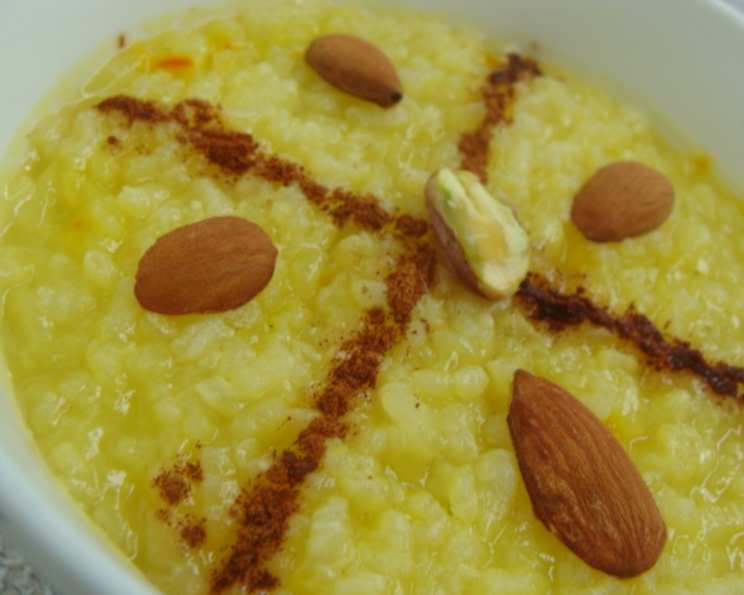
Dairy-Free & Gluten-Free Sholeh Zard: A Taste of Persian Sunshine
I remember the first time I tasted Sholeh Zard. It was at a Nowruz celebration, the Persian New Year, held in a sun-drenched garden filled with the scent of jasmine and roses. The air buzzed with laughter and music, but it was the delicate fragrance of saffron that truly captivated me, leading me to a golden bowl of this enchanting rice pudding. The subtle sweetness, the hint of rosewater, and the creamy texture – it was a culinary poem, a taste of sunshine in a bowl that I’ve cherished ever since. Now, I’m thrilled to share a dairy-free and gluten-free version of this classic Persian dessert, so everyone can experience its magic.
Recipe Overview
- Prep Time: 15 minutes
- Cook Time: 1 hour 50 minutes
- Total Time: 2 hours 5 minutes
- Servings: 6
- Yield: Approximately 6 cups
- Dietary Type: Dairy-Free, Gluten-Free, Vegan
Ingredients
- 1 cup white basmati rice
- 10 cups water, divided
- 1 cup white sugar (adjust to taste)
- ¼ cup canola oil
- ⅓ cup rose water
- 2 teaspoons powdered saffron (or more to taste)
- 2 tablespoons blanched slivered almonds
- 2 tablespoons ground pistachios (for garnish)
- 1 tablespoon ground cinnamon (for garnish)
Equipment Needed
- Large, heavy-bottomed saucepan
- Measuring cups and spoons
- Mixing spoon
- Large, shallow serving plate or individual bowls
Instructions
- Begin by preparing the basmati rice. Wash it thoroughly under cold water. Rinse and drain the rice several times until the water runs clear. This step is crucial for removing excess starch, which helps prevent the pudding from becoming gummy.
- Transfer the washed rice to a large, heavy-bottomed saucepan. The heavy bottom is important to prevent scorching as the pudding cooks.
- Add 8 cups of water to the pot. Partially cover the pot with a lid, leaving a slight gap for steam to escape.
- Bring the rice to a boil over medium heat, stirring occasionally. As the rice cooks, you’ll notice foam forming on the surface. Use a spoon to skim off this foam, as it can affect the final texture of the pudding.
- While the rice is cooking, prepare the saffron infusion. In a small bowl, combine the powdered saffron with 2 tablespoons of warm water. Stir well and set aside. Allowing the saffron to steep in warm water releases its vibrant color and intense aroma, which are essential to Sholeh Zard.
- Once the rice is soft and boiling (this should take approximately 30 minutes), add the sugar to the pot. Stir gently to dissolve the sugar completely.
- Add the remaining 2 cups of water and stir to combine. Keep the pot partially covered and continue to cook the rice over medium-low heat for approximately 20 more minutes, stirring occasionally to prevent sticking.
- Now it’s time to add the flavorings. Pour the canola oil, rose water, and the saffron infusion (saffron threads and the water they steeped in) into the rice mixture. Stir thoroughly to combine all the ingredients. The aroma at this stage should be intoxicating!
- Continue to cook the pudding, partially covered, for another 20 minutes over low heat. Stirring occasionally.
- Remove the lid and stir well. The mixture should now start to resemble a thick, pudding-like cream; most of the water should be boiled out at this point. If you desire a more intense saffron flavor and color, feel free to add more saffron to taste. Remember, the more saffron you add, the richer the flavor and the more vibrant the golden hue of the pudding will be.
- Add the blanched slivered almonds to the pudding and continue cooking over medium-low heat until a pudding-like texture develops (approximately 30 more minutes). The pudding is ready when it is thick enough to coat the back of a spoon.
- Once thickened, remove the pot from the stove and pour the Sholeh Zard into a large, shallow plate or individual serving bowls. Allow it to cool to room temperature.
- As the pudding cools, a thin, slightly hardened layer will form on the surface. This is perfectly normal and adds a pleasant textural contrast. Once the top has dried into this thin layer, you can decorate it with ground cinnamon and ground pistachios in a decorative pattern. Get creative with your designs!
- Once cool, place the plate or bowls, covered, into the refrigerator and continue chilling until the pudding has transformed into a jello-like consistency. This chilling process usually takes several hours.
- Optional serving styles: The pudding also tastes wonderful warm, straight from the pot.
Expert Tips & Tricks
- Saffron Quality: Use high-quality saffron for the best flavor and color. The threads should be a deep red color and have a strong aroma.
- Rice Selection: Basmati rice is traditionally used because of its aroma and ability to become creamy when cooked. Other long-grain white rice varieties may also work.
- Sugar Adjustment: Adjust the amount of sugar to your preference. Start with the recommended amount and add more to taste.
- Preventing Sticking: Stir the pudding frequently, especially towards the end of the cooking process, to prevent it from sticking to the bottom of the pot.
- Texture Perfection: The final texture should be thick and creamy, similar to a traditional rice pudding. If the pudding is too thick, add a little more warm water. If it’s too thin, continue cooking over low heat until it thickens.
Serving & Storage Suggestions
Sholeh Zard is traditionally served chilled, decorated with cinnamon and pistachios. It’s often enjoyed with a cup of Persian tea.
To store leftovers, cover the pudding tightly with plastic wrap or transfer it to an airtight container. It will keep in the refrigerator for up to 3-4 days. The pudding can be enjoyed cold straight from the fridge. While technically you could reheat it, the texture is significantly better when served chilled. I do not recommend freezing Sholeh Zard, as the texture can become grainy upon thawing.
Nutritional Information
| Nutrient | Amount per Serving | % Daily Value |
|---|---|---|
| Calories | 359 kcal | N/A |
| Total Fat | 12.7 g | 19% |
| Saturated Fat | 1.1 g | 5% |
| Cholesterol | 0 mg | 0% |
| Sodium | 15.4 mg | 0% |
| Total Carbohydrate | 59.6 g | 19% |
| Dietary Fiber | 2.3 g | 9% |
| Sugars | 33.9 g | N/A |
| Protein | 3.7 g | 7% |
Note: Nutritional information is an estimate and may vary based on specific ingredients and preparation methods.
Variations & Substitutions
- Sweetener Options: Instead of white sugar, you can experiment with other sweeteners like coconut sugar or maple syrup. Keep in mind that these will alter the flavor and color of the pudding.
- Nut Alternatives: If you have nut allergies, you can omit the almonds and pistachios or substitute them with toasted coconut flakes or sunflower seeds.
- Spice Variations: While saffron is the star of Sholeh Zard, you can add other warm spices like cardamom or a pinch of nutmeg for a more complex flavor profile.
- Rosewater Adjustment: Some people find rosewater overpowering. Start with the recommended amount and add more to taste, if desired.
- Vegan Butter: While canola oil works wonderfully, feel free to use vegan butter instead for a richer flavour.
FAQs (Frequently Asked Questions)
Q: Can I use brown rice instead of white basmati rice?
A: While you could use brown rice, it will significantly alter the texture and cooking time of the pudding. White basmati rice is recommended for the most authentic results.
Q: How can I tell if the pudding is thick enough?
A: The pudding is ready when it is thick enough to coat the back of a spoon and leaves a trail when you run your finger through it.
Q: Can I make Sholeh Zard ahead of time?
A: Yes, Sholeh Zard is a great make-ahead dessert. It can be made up to 2-3 days in advance and stored in the refrigerator.
Q: What can I do if my pudding is too sweet?
A: If you find the pudding too sweet, you can add a squeeze of lemon juice or a pinch of salt to balance the flavors.
Q: My Sholeh Zard is not turning golden yellow, what should I do?
A: Ensure your saffron is fresh and of high quality. You can also add a little turmeric powder (just a pinch) to enhance the golden color. Remember to let the saffron steep in warm water to fully release its color.
Final Thoughts
This Dairy-Free & Gluten-Free Sholeh Zard recipe is an invitation to experience the enchanting flavors of Persia. The vibrant saffron, the delicate rosewater, and the creamy texture come together in a symphony of taste that is both comforting and exotic. I encourage you to try this recipe and share its magic with your loved ones. Perhaps you’ll discover your own cherished memories associated with this golden delight. Serve it with a fragrant cup of Persian tea and let the flavors transport you to a sun-drenched garden, filled with laughter and the sweet promise of new beginnings. Enjoy!