
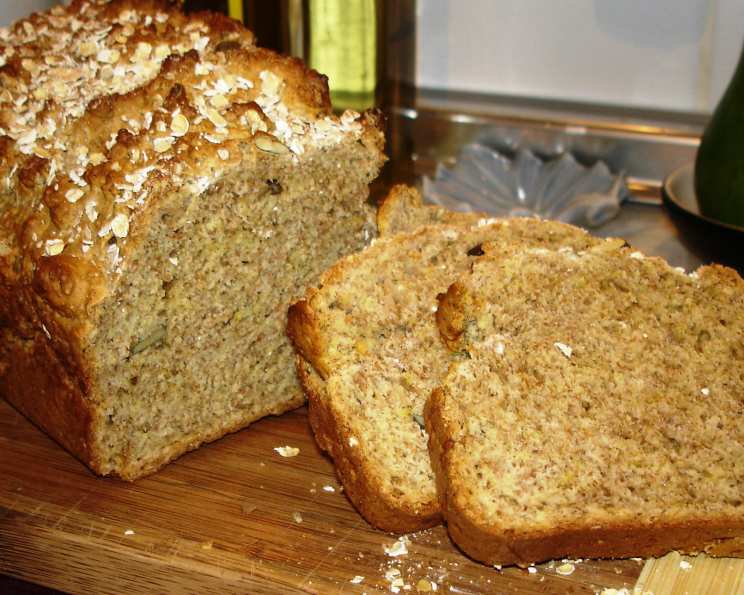
Baking a Taste of Home: Authentic Irish Brown Bread
The scent of Irish Brown Bread baking is a time machine for me. I remember my grandmother’s kitchen, a haven of warmth even on the blusteriest Irish days. She’d be humming a Gaelic tune, her hands dusted with flour, expertly kneading the dough. The resulting loaf, sliced thick and slathered with creamy butter, was simple perfection – a taste of home that transcends generations. This recipe captures that very essence, a rustic loaf brimming with wholesome goodness.
Recipe Overview
- Prep Time: 10 minutes
- Cook Time: 40 minutes
- Total Time: 50 minutes
- Servings: 10
- Yield: 1 loaf
- Dietary Type: Vegetarian
Ingredients
- 1 ¾ cups all-purpose flour
- 1 ¾ cups whole wheat flour
- 2 tablespoons oats
- 3 tablespoons wheat germ
- 3 tablespoons wheat bran
- 2 tablespoons dark brown sugar
- 1 teaspoon baking soda
- 1 teaspoon salt
- 2 tablespoons butter, melted
- 2 cups buttermilk (see note below)
- ¼ cup sunflower seeds (optional)
Note on Buttermilk: If you don’t have buttermilk, you can easily make your own by adding 1 tablespoon of lemon juice to 1 cup of milk. Let it sit for 5-10 minutes until it thickens and curdles slightly. This will work perfectly in the recipe.
Equipment Needed
- 25cm (10-inch) loaf pan
- Large mixing bowl
- Wooden spoon
- Measuring cups and spoons
- Cooling rack
Instructions
-
Preheat your oven to 400°F (200°C). Prepare a 25cm (10-inch) long loaf pan by buttering it generously. This ensures the bread releases easily after baking.
-
In a large mixing bowl, combine the all-purpose flour, whole wheat flour, oats, wheat germ, wheat bran, dark brown sugar, baking soda, and salt. Mix these dry ingredients together thoroughly with a wooden spoon until they are evenly distributed.
-
Add the melted butter and buttermilk to the dry ingredients. Gently stir the mixture just until everything is combined. The dough will be quite soft and sticky, which is perfectly normal.
-
It’s crucial not to overmix the dough. Overmixing develops the gluten in the flour, which can result in a tough, rather than tender, loaf. A few streaks of flour are fine.
-
Transfer the sticky dough to the prepared loaf pan. Spread it evenly to fill the pan. If using, sprinkle the sunflower seeds evenly over the top of the dough.
-
Bake in the preheated oven for approximately 40 minutes, or until the bread is a light golden brown color. To check for doneness, insert a cake tester or toothpick into the center of the loaf. If it comes out clean, the bread is ready. If not, bake for a few more minutes and check again.
-
Once baked, remove the loaf pan from the oven and let it cool for a few minutes. Then, turn the bread out of the pan and place it on a cooling rack to cool completely. This prevents the bottom from becoming soggy.
Expert Tips & Tricks
- Enhance the Nutty Flavor: To deepen the nutty flavor of the brown bread, lightly toast the wheat germ and oats in a dry skillet over medium heat for a few minutes before adding them to the recipe. Watch them carefully to prevent burning.
- Achieving the Perfect Rise: Baking soda is the primary leavening agent in this recipe. Make sure your baking soda is fresh for the best rise. You can test its potency by mixing a small amount with vinegar – it should fizz vigorously.
- Customize with Seeds: Feel free to experiment with different types of seeds in addition to or instead of sunflower seeds. Pumpkin seeds, flax seeds, or chia seeds all add a boost of nutrition and flavor.
- Make-Ahead Tip: The dry ingredients can be mixed ahead of time and stored in an airtight container. When you’re ready to bake, simply add the wet ingredients.
- Troubleshooting a Dense Loaf: If your bread turns out dense, it could be due to overmixing the dough or using old baking soda. Make sure to follow the recipe carefully and use fresh ingredients. Also, be careful not to add too much flour.
Serving & Storage Suggestions
Irish Brown Bread is best enjoyed fresh, still slightly warm from the oven. Slice it thickly and serve it with a generous spread of butter, jam, or honey. It’s also delicious with savory toppings like smoked salmon or cream cheese. It makes a wonderful accompaniment to soups and stews.
- Storage: Store leftover bread in an airtight container at room temperature for up to 3 days. For longer storage, wrap it tightly in plastic wrap and freeze for up to 2 months.
- Reheating: To reheat frozen bread, thaw it completely at room temperature. You can then warm it in a low oven (300°F or 150°C) for a few minutes, or toast individual slices.
Nutritional Information
(Estimated per serving)
| Nutrient | Amount per Serving | % Daily Value |
|---|---|---|
| Calories | 220 kcal | 11% |
| Total Fat | 4g | 5% |
| Saturated Fat | 2g | 10% |
| Cholesterol | 8mg | 3% |
| Sodium | 432mg | 18% |
| Total Carbohydrate | 40g | 15% |
| Dietary Fiber | 4g | 16% |
| Sugars | 5g | N/A |
| Protein | 8g | 16% |
Note: Nutritional information is an estimate and may vary based on specific ingredients and portion sizes.
Variations & Substitutions
- Sweet Brown Bread: For a sweeter loaf, increase the dark brown sugar to 4 tablespoons and add ½ cup of raisins or dried cranberries to the dough.
- Gluten-Free Version: Substitute the all-purpose flour and whole wheat flour with a gluten-free all-purpose flour blend. You may need to add a binder like xanthan gum to help with the texture. Follow the package instructions for the gluten-free flour blend.
- Dairy-Free Option: Replace the buttermilk with a dairy-free alternative such as almond milk, soy milk, or oat milk mixed with 1 tablespoon of lemon juice or apple cider vinegar.
- Hearty Seed Bread: Add a mixture of pumpkin seeds, flax seeds, and sesame seeds to the dough for an extra boost of flavor and nutrients.
- Spiced Brown Bread: Add ½ teaspoon of ground cinnamon, ¼ teaspoon of ground nutmeg, and a pinch of ground cloves to the dry ingredients for a warm, spiced flavor.
FAQs (Frequently Asked Questions)
Q: Why is my Irish Brown Bread so dense?
A: Overmixing is a common cause of dense brown bread. Also, ensure your baking soda is fresh, as it’s the primary leavening agent. Don’t pack the flour too tightly when measuring.
Q: Can I use regular milk instead of buttermilk?
A: While you can make a buttermilk substitute with milk and lemon juice, the acidity of buttermilk helps to activate the baking soda and contributes to the bread’s texture and flavor. Using plain milk will alter the outcome.
Q: How do I know when the bread is done?
A: The best way to check for doneness is to insert a cake tester or toothpick into the center of the loaf. If it comes out clean, the bread is ready. The bread should also be a light golden brown color.
Q: Can I freeze Irish Brown Bread?
A: Yes, Irish Brown Bread freezes well. Wrap it tightly in plastic wrap and then in foil or place it in a freezer bag. It can be stored in the freezer for up to 2 months.
Q: What’s the best way to serve Irish Brown Bread?
A: Irish Brown Bread is delicious served with butter, jam, cheese, smoked salmon, or alongside soups and stews. Its rustic flavor pairs well with both sweet and savory accompaniments.
Final Thoughts
This Irish Brown Bread recipe is more than just a set of instructions; it’s an invitation to connect with tradition and bake a little piece of home. I encourage you to try this recipe, experiment with the variations, and share your baking successes (and learning experiences!) with friends and family. Imagine enjoying a warm slice with a cup of tea, or serving it alongside a hearty bowl of Irish stew. The simple pleasures are often the most profound. Happy baking!