
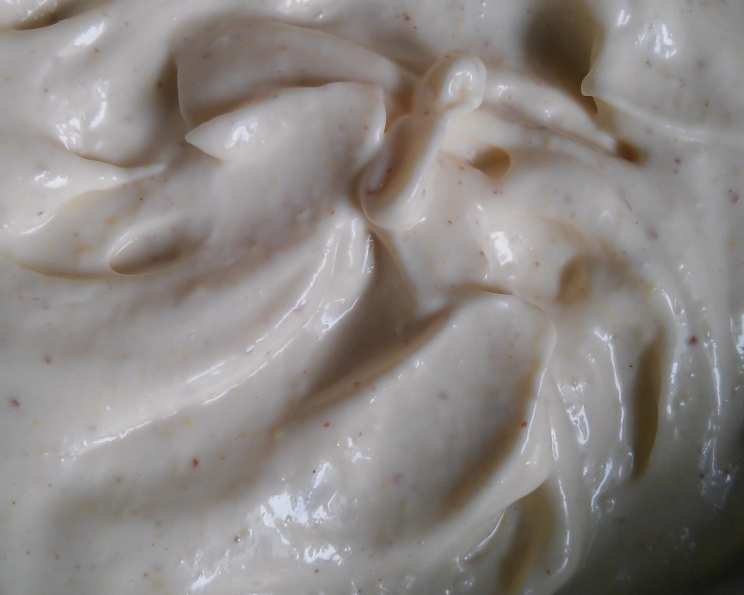
The Zesty Secret to Irish Feasts: Homemade Mustard Sauce
I’ll never forget the first time I tasted Irish Mustard Sauce. It was at a St. Patrick’s Day gathering many years ago. My grandmother, a proud Irish woman, always made the holiday a special one. The table was set with corned beef, cabbage, and soda bread. But it was the vibrant, tangy mustard sauce that stole the show. It was unexpectedly bold, with a kick that danced on my tongue, a welcome contrast to the savory, comforting meal. It transformed the entire experience, and I knew then that it was more than just a condiment, it was an essential part of the celebration.
Recipe Overview:
- Prep Time: 5 minutes
- Cook Time: 15 minutes
- Total Time: 20 minutes
- Servings: 4
- Yield: About 1 1/2 cups
- Dietary Type: Gluten-Free
Ingredients:
- 1 tablespoon cornstarch
- 2 teaspoons sugar
- 1 teaspoon dry mustard
- 1/2 teaspoon salt
- 1 cup water
- 1 tablespoon butter
- 1/4 cup cider vinegar
- 1 teaspoon grated prepared horseradish
- 2 egg yolks, beaten
Equipment Needed:
- Quart saucepan
- Whisk
- Measuring cups and spoons
Instructions:
-
In a quart saucepan, combine the cornstarch, sugar, dry mustard, and salt. Make sure to whisk them together thoroughly to avoid any lumps later on.
-
Add the water to the dry ingredients. Whisk continuously to create a smooth slurry.
-
Stir the mixture over low heat. It’s crucial to keep the heat low to prevent scorching and ensure even thickening. Continue stirring until the mixture thickens and begins to boil. This should take approximately 5-7 minutes.
-
Once the sauce has thickened and boiled, remove the pan from the heat. Stir in the butter, cider vinegar, and grated prepared horseradish. The butter will add richness and a smooth texture, while the vinegar and horseradish contribute that distinctive tangy kick.
-
In a separate small bowl, beat the egg yolks. This step is crucial for tempering the eggs, which prevents them from scrambling when added to the hot sauce.
-
Slowly drizzle a little of the hot mustard mixture into the beaten egg yolks, whisking constantly. This process gradually raises the temperature of the eggs, preventing them from curdling when introduced to the rest of the hot mixture.
-
Pour the tempered egg yolk mixture back into the saucepan with the remaining mustard sauce.
-
Cook the sauce slowly, stirring constantly, until it thickens slightly. This should only take a minute or two. Be careful not to overheat the sauce, as this can cause the eggs to overcook and the sauce to become grainy. The goal is to achieve a smooth, creamy consistency.
-
Serve immediately and enjoy.
Expert Tips & Tricks:
- For a smoother sauce, use a fine-mesh sieve to strain the sauce after cooking. This will remove any small lumps or bits of cooked egg.
- If the sauce becomes too thick, whisk in a tablespoon or two of water to thin it out.
- Adjust the amount of horseradish to suit your taste. If you prefer a milder sauce, use a scant teaspoon; for a spicier sauce, add up to two teaspoons.
- For a richer, more decadent sauce, use salted butter and reduce the amount of salt added separately.
- Use a high-quality cider vinegar for the best flavor.
- To avoid lumps, ensure the cornstarch is fully dissolved before heating. You can even mix it with a small amount of cold water before adding it to the rest of the water.
- Don’t walk away from the stove while the sauce is cooking. Constant stirring is essential to prevent scorching and ensure even thickening.
Serving & Storage Suggestions:
This Irish Mustard Sauce is a classic accompaniment to corned beef and cabbage, or baked ham. It’s also delicious with roasted vegetables, grilled sausages, or as a dipping sauce for pretzels.
Storage: Store leftover mustard sauce in an airtight container in the refrigerator. It will keep for up to 3 days.
Reheating: Gently reheat the sauce in a saucepan over low heat, stirring constantly, until warmed through. Be careful not to overheat it, as this can cause the sauce to separate. A dash of water can help restore the consistency.
Nutritional Information:
| Nutrient | Amount per Serving | % Daily Value |
|---|---|---|
| Calories | 73.4 kcal | N/A |
| Calories from Fat | N/A | 63% |
| Total Fat | 5.2 g | 7% |
| Saturated Fat | 2.6 g | 12% |
| Cholesterol | 102 mg | 34% |
| Sodium | 320.9 mg | 13% |
| Total Carbohydrate | 4.8 g | 1% |
| Dietary Fiber | 0.2 g | 0% |
| Sugars | 2.4 g | N/A |
| Protein | 1.5 g | 2% |
Variations & Substitutions:
- Spicy Mustard Sauce: Add a pinch of cayenne pepper or a dash of hot sauce for an extra kick.
- Honey Mustard Sauce: Substitute half of the sugar with honey for a sweeter, more complex flavor.
- Dijon Mustard Sauce: Replace the dry mustard with Dijon mustard for a smoother, more sophisticated sauce. Add the dijon at the end after the cooking process so the flavor is not altered by the heat. About 2 tablespoons of Dijon will work.
- Vegan Mustard Sauce: While the eggs are essential for thickening, you could try replacing them with a slurry of cornstarch and water, or a small amount of silken tofu blended until smooth. Note that this will alter the flavor and texture slightly. You will need to experiment with the quantities.
- Herb Infused: Add fresh herbs like tarragon or dill during the last minute of cooking for a fresh, aromatic twist.
FAQs (Frequently Asked Questions):
Q: Can I make this sauce ahead of time?
A: Yes, you can make this sauce a day or two in advance. Store it in an airtight container in the refrigerator and reheat gently before serving.
Q: Why is it important to temper the egg yolks?
A: Tempering the egg yolks prevents them from scrambling when added to the hot sauce, resulting in a smooth, creamy texture.
Q: Can I use a different type of vinegar?
A: While cider vinegar is recommended, you can substitute it with white wine vinegar or even lemon juice in a pinch. Keep in mind that this will slightly alter the flavor.
Q: What if my sauce is too thin?
A: If your sauce is too thin, you can whisk in a slurry of cornstarch and water (1 teaspoon of cornstarch mixed with 1 tablespoon of cold water) and cook for another minute or two until thickened.
Q: Can I freeze this mustard sauce?
A: Freezing is not recommended, as the sauce may separate and become grainy upon thawing. It is best to make it fresh and store it in the refrigerator for up to 3 days.
Final Thoughts:
Now that you have the recipe, I urge you to create this special mustard sauce. Its bright, zesty notes can elevate a simple meal into a memorable one. Don’t be afraid to adjust the ingredients to your liking – a little more horseradish for extra heat, or a touch of honey for a hint of sweetness. Share this sauce with friends and family, and let it become a staple at your own holiday feasts. I hope you will find it as essential as my family has over the years.