
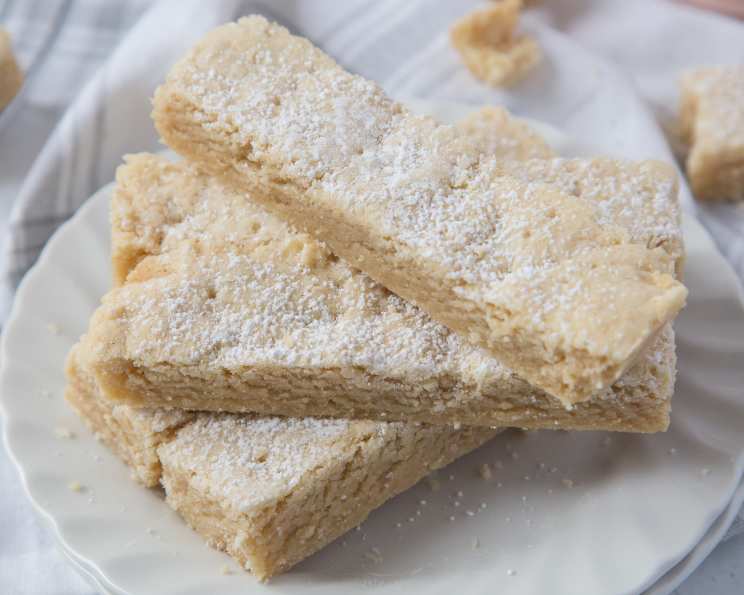
The Most Amazing Irish Shortbread Cookies
I remember the first time I tasted shortbread. It was during a chilly winter evening at my grandmother’s house. The aroma of butter filled the air, and she presented a plate of golden, crumbly cookies. One bite, and I was hooked. The rich, buttery flavor, the delicate sweetness, and the melt-in-your-mouth texture—it was pure comfort. This recipe captures that same magic, that same simple perfection, and reminds me of those cozy, cherished moments.
Recipe Overview
- Prep Time: 10 minutes
- Cook Time: 1 hour 30 minutes to 2 hours
- Total Time: 2 hours 40 minutes
- Servings: 10
- Yields: 20 cookies
- Dietary Type: Vegetarian
Ingredients
- 1 cup salted butter, softened (if using unsalted butter, add a pinch of salt)
- 2/3 cup sugar
- 1/2 cup cornstarch
- 2 cups all-purpose flour
- Powdered sugar, for dusting (optional)
Equipment Needed
- Mixing bowl
- Electric mixer (optional, but helpful)
- Measuring cups and spoons
- 10 3/4 by 7 inch baking pan
- Fork
- Oven
- Cooling rack
Instructions
-
Preheat your oven to 275°F (135°C).
-
In a large mixing bowl, cream together the softened butter and sugar using an electric mixer or a sturdy spoon. Continue creaming until the mixture is light and fluffy. This step is crucial for achieving that signature shortbread texture, so don’t rush it. If you’re using a mixer, start on low speed to avoid a cloud of sugar, then gradually increase to medium speed.
-
In a separate bowl, sift together the cornstarch and flour. Sifting ensures that there are no lumps and helps to create a lighter, more tender cookie. If you don’t have a sifter, you can whisk the cornstarch and flour together thoroughly.
-
Gradually add the sifted cornstarch and flour mixture to the creamed butter and sugar. Mix on low speed or gently fold the dry ingredients into the wet ingredients with a spatula until just combined. Be careful not to overmix, as this can develop the gluten in the flour and result in a tougher cookie. The dough should come together into a cohesive mass.
-
Press the dough into a 10 3/4 by 7-inch baking pan. Ensure the dough is evenly distributed across the bottom of the pan. You can use your fingers or the back of a spoon to smooth the surface.
-
Prick the dough all over with a fork. This step prevents the shortbread from puffing up during baking. Make sure to prick the dough evenly across the entire surface.
-
Bake in the preheated 275°F (135°C) oven for 30 minutes.
-
Reduce the oven temperature to 250°F (120°C) and continue baking for 1 to 1 1/2 hours longer, or until the shortbread is a light golden brown color. The exact baking time will depend on your oven, so keep a close eye on it. The shortbread should feel firm to the touch when it’s done.
-
Remove the pan from the oven and let the shortbread cool slightly in the pan before carefully removing it.
-
While still slightly warm, sprinkle the shortbread with powdered sugar, if desired.
-
Cut the shortbread into 20 finger-shaped cookies while it’s still warm but firm enough to handle. Use a sharp knife to make clean cuts.
-
Let the cookies cool completely on a cooling rack before serving.
Expert Tips & Tricks
- Softened Butter is Key: Make sure your butter is properly softened before creaming it with the sugar. It should be soft enough to easily indent with your finger, but not melted.
- Don’t Overmix: Overmixing the dough will develop the gluten in the flour, resulting in a tougher shortbread. Mix just until the ingredients are combined.
- Low and Slow Baking: The low baking temperature is essential for creating the delicate, crumbly texture of shortbread. Don’t be tempted to increase the temperature to speed up the baking process.
- Achieving the Perfect Golden Color: Keep a close eye on the shortbread during the last 30 minutes of baking. If it starts to brown too quickly, you can tent it with foil to prevent it from burning.
- Cutting While Warm: Cutting the shortbread while it’s still slightly warm will prevent it from crumbling.
- Salted Butter vs. Unsalted Butter: Salted butter adds a subtle savory note to the shortbread. If you prefer a sweeter shortbread, use unsalted butter and add a pinch of salt to the dough.
- Consider adding a touch of vanilla extract to the creamed butter and sugar for a more complex flavor profile.
Serving & Storage Suggestions
These Irish shortbread cookies are delicious served as is, with a cup of tea or coffee, or as part of a dessert platter. They also make a lovely homemade gift.
- Serving: Arrange the cookies on a platter or in a basket lined with parchment paper. You can also dust them with extra powdered sugar for a more elegant presentation.
- Storage: Store the cooled cookies in an airtight container at room temperature for up to 1 week. They can also be frozen for up to 2 months. To freeze, wrap the cookies tightly in plastic wrap and then place them in a freezer bag or container. Thaw at room temperature before serving.
Nutritional Information
| Nutrient | Amount per Serving | % Daily Value |
|---|---|---|
| Calories | 330 kcal | 17% |
| Total Fat | 19g | 29% |
| Saturated Fat | 12g | 60% |
| Cholesterol | 49mg | 16% |
| Sodium | 163mg | 7% |
| Total Carbohydrate | 38g | 13% |
| Dietary Fiber | 1g | 4% |
| Sugars | 13g | – |
| Protein | 3g | 6% |
Note: Nutritional information is an estimate and may vary based on specific ingredients and preparation methods.
Variations & Substitutions
- Lemon Shortbread: Add the zest of one lemon to the dough for a bright, citrusy flavor.
- Chocolate Chip Shortbread: Stir in 1/2 cup of mini chocolate chips to the dough before pressing it into the pan.
- Gluten-Free Shortbread: Substitute the all-purpose flour with a gluten-free blend. Be sure to use a blend that contains xanthan gum to help bind the dough.
- Lavender Shortbread: Add 1-2 teaspoons of culinary lavender to the flour mixture for a floral twist.
- Pecan Shortbread: Mix 1/2 cup of finely chopped pecans into the dough for added texture and nutty flavor.
FAQs (Frequently Asked Questions)
Q: Can I use unsalted butter instead of salted butter?
A: Yes, you can. If using unsalted butter, add a pinch (about 1/4 teaspoon) of salt to the dough to enhance the flavor.
Q: Why is my shortbread crumbly and falling apart?
A: This is usually due to overmixing the dough or using too much flour. Be gentle when mixing and ensure your measurements are accurate.
Q: Can I make the dough ahead of time?
A: Yes, you can. Wrap the dough tightly in plastic wrap and refrigerate for up to 2 days. Allow the dough to soften slightly before pressing it into the pan.
Q: How do I know when the shortbread is done?
A: The shortbread is done when it’s a light golden brown color and feels firm to the touch. The edges should be slightly crisp.
Q: My shortbread is browning too quickly. What should I do?
A: Tent the pan with foil to prevent the top from burning. This will allow the shortbread to continue baking without browning too much.
Final Thoughts
I hope this recipe brings you as much joy as it has brought me over the years. There’s something truly special about a simple, perfectly executed shortbread cookie. It’s a reminder that the best things in life are often the simplest. Don’t be afraid to experiment with different flavors and variations to make this recipe your own. And most importantly, enjoy the process of baking and sharing these delicious cookies with your loved ones. I’d love to hear your feedback, so please feel free to share your comments and experiences! Pair these shortbread cookies with a steaming mug of Irish coffee or a comforting cup of hot chocolate for the ultimate cozy treat.