
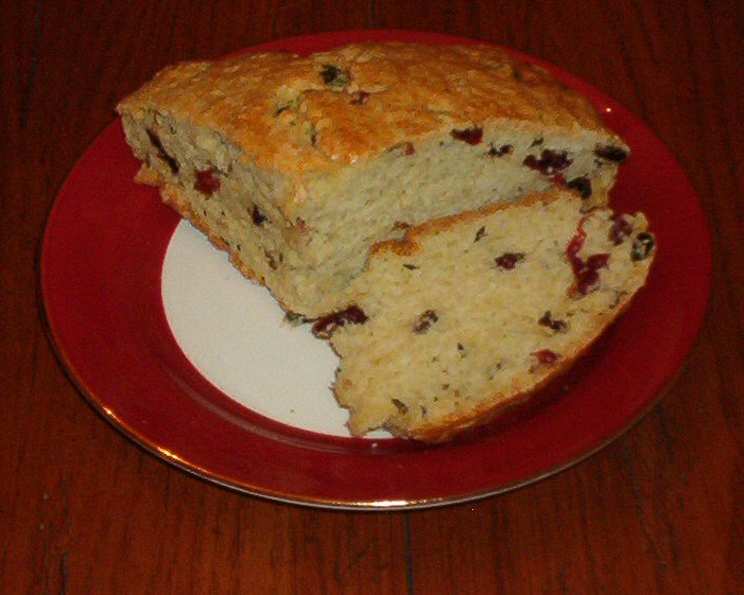
Irish Soda Bread: A Skillet Celebration
There’s something deeply comforting about the smell of baking bread, a scent that instantly transports me back to my grandmother’s kitchen. Her Irish Soda Bread, always served warm with a generous slab of butter, was a weekend staple. The rustic crust, the slightly tangy crumb, and the comforting caraway seeds – these are the flavors of home, a memory I cherish and try to recreate with every loaf I bake. The tradition lives on, now perfected in a cast iron skillet for that perfect golden crust.
Recipe Overview
- Prep Time: 10 minutes
- Cook Time: 35-40 minutes
- Total Time: 45-50 minutes
- Yields: 1 loaf
- Dietary Type: Vegetarian
Ingredients
- 2 cups unbleached flour
- 1/4 cup sugar
- 1/2 teaspoon baking soda
- 1/2 tablespoon baking powder
- 1/4 teaspoon salt
- 1/4 cup butter, softened to room temperature
- 1 teaspoon caraway seed, slightly crushed
- 1/4 cup currants (raisins or golden raisins can be substituted)
- 1/2 cup buttermilk (plus an additional 2 tablespoons buttermilk)
- 1 egg, lightly whisked
Equipment Needed
- Large mixing bowl
- Pastry blender or fork
- Floured cutting board
- 10-inch cast iron skillet
- Toothpick or knife
Instructions
-
Preheat your oven to 375°F (190°C). Place a 10-inch ungreased cast iron skillet in the oven to heat up while you prepare the dough. This preheating helps create a beautifully crisp crust.
-
In a large mixing bowl, whisk together the flour, sugar, baking soda, baking powder, and salt. Ensuring these dry ingredients are well combined is key to even rising.
-
Add the softened butter to the dry ingredients. Using a pastry blender or your fingertips, cut the butter into the flour mixture until it resembles coarse crumbs. This creates pockets of fat that contribute to the bread’s tender crumb.
-
Stir in the slightly crushed caraway seeds and currants (or your preferred substitute, such as raisins or golden raisins). Distribute them evenly throughout the flour mixture.
-
In a separate bowl, whisk together the 1/2 cup buttermilk and the lightly whisked egg. Add this wet mixture to the dry ingredients.
-
Stir the wet and dry ingredients together just until combined. Be careful not to overmix. Overmixing develops the gluten in the flour, resulting in a tougher bread. The dough will be sticky.
-
Turn the dough out onto a lightly floured cutting board. With floured hands, gently knead the dough a few times until you can form it into a disc shape. Don’t be tempted to add more flour than necessary; a slightly sticky dough will yield a more tender bread.
-
Carefully remove the hot cast iron skillet from the oven. Lightly grease the inside of the skillet with butter. This prevents the bread from sticking and adds a delicious buttery flavor to the crust.
-
Place the round ball of dough into the prepared skillet.
-
Using a toothpick or a sharp knife, cut an “X” into the top of the loaf. This allows steam to escape during baking, preventing the bread from cracking unevenly.
-
Brush the top of the loaf with the remaining 2 tablespoons of buttermilk. This adds a beautiful golden-brown color to the crust.
-
Bake for 35-40 minutes, or until the bread is golden brown and sounds hollow when tapped on the bottom. The internal temperature should reach around 200°F (93°C).
-
Remove the skillet from the oven and let the bread cool slightly in the skillet before slicing and serving.
-
Serve warm, ideally with butter and jam, or alongside a hearty stew or soup.
Expert Tips & Tricks
- Buttermilk Substitute: If you don’t have buttermilk, you can make a quick substitute by adding 1 tablespoon of lemon juice or white vinegar to regular milk and letting it sit for 5 minutes to curdle slightly.
- Room Temperature Butter: Ensure the butter is softened to room temperature. This makes it easier to cut into the flour and creates a more even texture. If you forgot, you can carefully microwave it in short bursts (5-10 seconds) until just softened, but be careful not to melt it.
- Don’t Overmix: Overmixing develops the gluten and can result in a tough bread. Mix only until the ingredients are just combined.
- Crispy Crust: Placing the dough in a preheated cast iron skillet is key to achieving a crispy, golden-brown crust.
- Testing for Doneness: The bread is done when it sounds hollow when tapped on the bottom. You can also use a thermometer to check the internal temperature, which should be around 200°F (93°C).
- Make Ahead: While best served fresh, you can mix the dry ingredients ahead of time and store them in an airtight container. When ready to bake, add the butter, buttermilk, and egg.
Serving & Storage Suggestions
Irish Soda Bread is best enjoyed warm, straight from the oven. Serve it with a generous smear of butter and your favorite jam or marmalade. It also makes a fantastic accompaniment to hearty soups and stews.
Store any leftover bread in an airtight container at room temperature for up to 2 days. For longer storage, wrap tightly in plastic wrap and freeze for up to 2 months. To reheat, thaw the bread completely and warm it in a preheated 350°F (175°C) oven for about 10-15 minutes, or until heated through. You can also toast individual slices.
Nutritional Information
| Nutrient | Amount per Serving | % Daily Value* |
|---|---|---|
| Calories | 1745.3 kcal | N/A |
| Calories from Fat | 494 g | 28% |
| Total Fat | 54.9 g | 84% |
| Saturated Fat | 31.8 g | 158% |
| Cholesterol | 338.4 mg | 112% |
| Sodium | 2289 mg | 95% |
| Total Carbohydrate | 276.4 g | 92% |
| Dietary Fiber | 10 g | 40% |
| Sugars | 81.2 g | 324% |
| Protein | 38.5 g | 77% |
Note: Percent Daily Values are based on a 2,000 calorie diet. Your daily values may be higher or lower depending on your calorie needs.
Variations & Substitutions
- Sweet Soda Bread: Add 1/4 cup more sugar, or even a touch of honey, for a sweeter bread.
- Herbed Soda Bread: Incorporate 1-2 tablespoons of fresh, chopped herbs such as rosemary, thyme, or parsley for a savory twist.
- Cheese Soda Bread: Add 1/2 cup of shredded cheddar or Gruyère cheese to the dough for a cheesy and delicious variation.
- Gluten-Free: Substitute the unbleached flour with a gluten-free all-purpose flour blend. You may need to adjust the amount of liquid slightly to achieve the desired dough consistency.
- Dried Fruit: Experiment with different dried fruits such as cranberries, chopped dates, or apricots.
FAQs (Frequently Asked Questions)
Q: Why do I need to preheat the cast iron skillet?
A: Preheating the cast iron skillet ensures that the bottom of the bread immediately starts to crisp up upon contact with the hot surface, creating a delicious, textured crust.
Q: Can I use regular milk instead of buttermilk?
A: While buttermilk provides a characteristic tang to the bread, you can substitute it with regular milk that has been soured with lemon juice or vinegar (see the Expert Tips & Tricks section).
Q: The dough is very sticky. Is that normal?
A: Yes, Irish Soda Bread dough is typically sticky. Resist the urge to add too much extra flour, as this can make the bread tough.
Q: How do I know when the bread is done?
A: The bread is done when it is golden brown and sounds hollow when tapped on the bottom. You can also use a thermometer to check the internal temperature, which should be around 200°F (93°C).
Q: Can I freeze Irish Soda Bread?
A: Yes, you can freeze Irish Soda Bread. Wrap it tightly in plastic wrap and then place it in a freezer bag. It can be frozen for up to 2 months. Thaw completely before reheating.
Final Thoughts
Irish Soda Bread is more than just a recipe; it’s a tradition, a taste of home, and a simple pleasure to share with loved ones. This cast iron skillet version elevates the classic, creating a crust that’s simply irresistible. I encourage you to try this recipe and make it your own, adding your personal touch and sharing it with the people you cherish. Don’t be afraid to experiment with variations and substitutions to find your perfect loaf. And remember, the best Irish Soda Bread is the one you bake with love and enjoy with good company.