
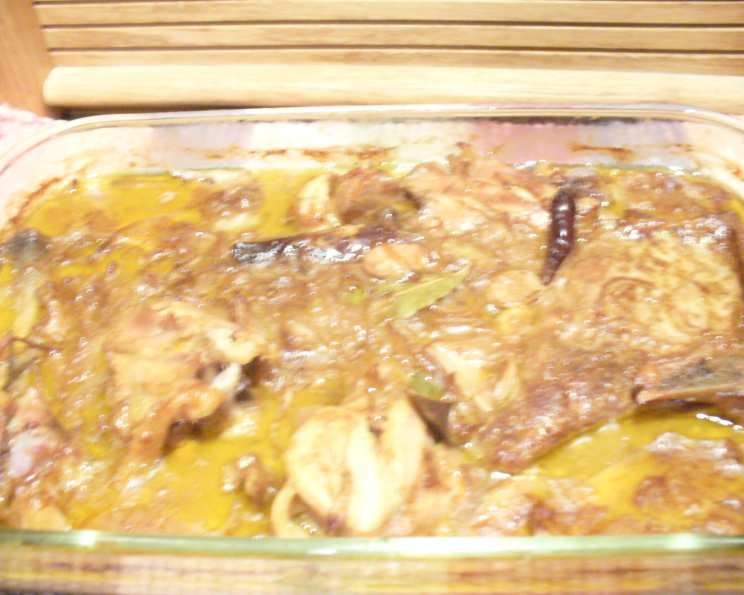
Islands Chicken & Pork Filipino Adobo: A Taste of Home
The scent of adobo always takes me back to my Lola’s (grandmother’s) kitchen. It wasn’t just a meal; it was an event. The simmering pot filled the air with a savory aroma that promised comfort and love. Lola’s version, like many family recipes, was a closely guarded secret. Though she’s gone, I’ve strived to recreate that feeling – the melding of soy sauce, vinegar, garlic, and bay leaves clinging to tender meat, all served over a mountain of fluffy rice. This recipe, inspired by island flavors, brings that cherished memory to life.
Recipe Overview
- Prep Time: 20 minutes
- Cook Time: 2 hours
- Total Time: 2 hours 20 minutes
- Servings: 8
- Yield: 8 servings
- Dietary Type: Dairy-Free
Ingredients
- 8 chicken thighs
- 8 pork steaks
- 4 tablespoons olive oil or 4 tablespoons Crisco
- 1-2 onions, diced
- 6 garlic cloves, crushed
- 2 bay leaves
- 1 dried red pepper
- 1 cup water
- 1/4 cup Nakano rice vinegar
- 1/2 cup Kikkoman soy sauce
- 1 (14 ounce) can coconut milk
- Cooked rice, for serving
- Lemon slices and salt, for serving (optional)
Equipment Needed
- Large, heavy, deep frying pan
- Plate
- Baking pan with a cover
- Stirring spoon
Instructions
- Begin by heating the olive oil or Crisco in a large, heavy, deep frying pan over medium-high heat.
- Fry the pork steaks in the hot oil until they are slightly browned on each side. This step is crucial for developing a rich, savory flavor. Once browned, remove the pork steaks from the pan and set them aside on a plate.
- Next, fry the chicken thighs in the same pan until they are also slightly browned on each side. Just like the pork, browning the chicken adds depth to the final dish. Once browned, remove the chicken thighs from the pan and set them aside on the same plate as the pork.
- Pour the water into the frying pan. Use a spoon or spatula to loosen any meat particles that have stuck to the bottom of the pan during the browning process. These particles, known as fond, are packed with flavor and will enhance the sauce.
- Add the diced onions and crushed garlic to the pan. Sauté them for a few minutes, until the onions become translucent and the garlic releases its fragrant aroma.
- Incorporate the bay leaves, dried red pepper, rice vinegar, soy sauce, and coconut milk into the pan. Stir well to combine all the ingredients, creating a flavorful and aromatic braising liquid.
- Bring the mixture to a simmer over low heat. Cook for about 15 minutes, stirring occasionally, allowing the flavors to meld together beautifully. After 15 minutes, carefully remove the dried red pepper from the pan and discard it. This prevents the dish from becoming overly spicy.
- Preheat your oven to 325°F (160°C).
- In a baking pan with a cover, arrange the browned pork and chicken.
- Pour the sauce from the frying pan over the meat in the baking pan, ensuring that the meat is submerged in the liquid.
- Cover the baking pan and bake in the preheated oven for 1 1/2 hours, or until the meat is incredibly tender and easily falls apart.
- Before serving, remove the bay leaves from the dish and discard them.
- Serve the Islands Chicken & Pork Adobo hot over a bed of cooked rice. Optionally, serve with lemon slices dipped in salt on the side for an extra burst of flavor.
Expert Tips & Tricks
- Browning is key: Don’t skip the browning step! This adds a depth of flavor that simmering alone can’t achieve. Be patient and get a good sear on both the chicken and pork.
- Adjust the heat: If you prefer a milder dish, consider using half of the dried red pepper or omitting it altogether.
- Low and slow: Baking the adobo at a low temperature for an extended period ensures that the meat becomes incredibly tender and flavorful.
- Make ahead: This adobo can be made a day or two in advance. The flavors actually intensify as it sits in the refrigerator.
- Thicken the sauce: If you prefer a thicker sauce, remove the meat from the pan after baking and simmer the sauce on the stovetop until it reaches your desired consistency. A cornstarch slurry (1 tablespoon cornstarch mixed with 2 tablespoons cold water) can also be used to thicken it.
- Don’t have rice vinegar? You can substitute with apple cider vinegar in a pinch. The flavor will be slightly different, but still delicious.
Serving & Storage Suggestions
Serve the Islands Chicken & Pork Adobo hot, directly from the baking pan, over a generous portion of steamed white rice. The tender meat and flavorful sauce are perfectly complemented by the fluffy rice. Garnish with fresh chopped green onions for a pop of color and freshness.
Leftovers can be stored in an airtight container in the refrigerator for up to 3-4 days. For longer storage, freeze the adobo in freezer-safe containers for up to 2-3 months. Thaw completely in the refrigerator before reheating.
To reheat, simply warm the adobo in a saucepan over medium heat until heated through. You can also reheat it in the microwave, but be sure to cover it to prevent splattering.
Nutritional Information
| Nutrient | Amount per Serving | % Daily Value |
|---|---|---|
| Calories | 528.2 kcal | N/A |
| Calories from Fat | 331 g | 63% |
| Total Fat | 36.9 g | 56% |
| Saturated Fat | 15.5 g | 77% |
| Cholesterol | 145.5 mg | 48% |
| Sodium | 1156.3 mg | 48% |
| Total Carbohydrate | 7.5 g | 2% |
| Dietary Fiber | 1.5 g | 6% |
| Sugars | 4.1 g | 16% |
| Protein | 41.2 g | 82% |
Variations & Substitutions
- Spicy Adobo: For an extra kick, add more dried red peppers or a pinch of chili flakes.
- Sweeter Adobo: If you prefer a sweeter adobo, add a tablespoon or two of brown sugar or honey to the sauce.
- Vegetarian Adobo: Substitute the chicken and pork with firm tofu or mushrooms for a vegetarian version. Be sure to press the tofu to remove excess moisture before browning.
- Chicken Only: If you prefer to use just chicken, feel free to double the amount of chicken thighs and omit the pork.
- Pork Only: Similarly, you can double the amount of pork steaks and omit the chicken.
- Vinegar Variation: Experiment with different types of vinegar, such as cane vinegar or white vinegar, to alter the flavor profile.
- Pineapple Adobo: Add a can of pineapple chunks (drained) for a sweet and tangy twist.
FAQs (Frequently Asked Questions)
Q: Can I use chicken breasts instead of thighs?
A: Yes, you can use chicken breasts, but be aware that they may become drier than thighs during the long baking time. Reduce the baking time by about 30 minutes if using chicken breasts.
Q: Can I make this in a slow cooker?
A: Absolutely! Brown the meat as instructed, then transfer everything to a slow cooker and cook on low for 6-8 hours or on high for 3-4 hours.
Q: Is coconut milk necessary for this recipe?
A: While the coconut milk adds a rich and creamy element that is characteristic of this island-style adobo, you can substitute it with more water or chicken broth if needed. The flavor will be slightly different, but still delicious.
Q: How can I prevent the meat from drying out during baking?
A: Ensure that the meat is fully submerged in the sauce before baking and that the baking pan is tightly covered. This will help to trap moisture and prevent the meat from drying out.
Q: Can I use a different type of soy sauce?
A: While Kikkoman soy sauce is recommended for its balanced flavor, you can use other types of soy sauce, such as low-sodium soy sauce or dark soy sauce. Keep in mind that the flavor and saltiness may vary.
Final Thoughts
Now, it’s your turn to create your own memories with this Islands Chicken & Pork Filipino Adobo. It’s a dish that’s meant to be shared, so gather your loved ones, cook up a batch of fluffy rice, and let the comforting aroma fill your home. Don’t be afraid to experiment with the variations and substitutions to create your own unique version of this classic Filipino dish. And if you sprinkle a tiny bit of brown sugar and a squeeze of lemon on each serving, you might just find a new favorite way to enjoy adobo. Enjoy, and please let me know how it turns out!