
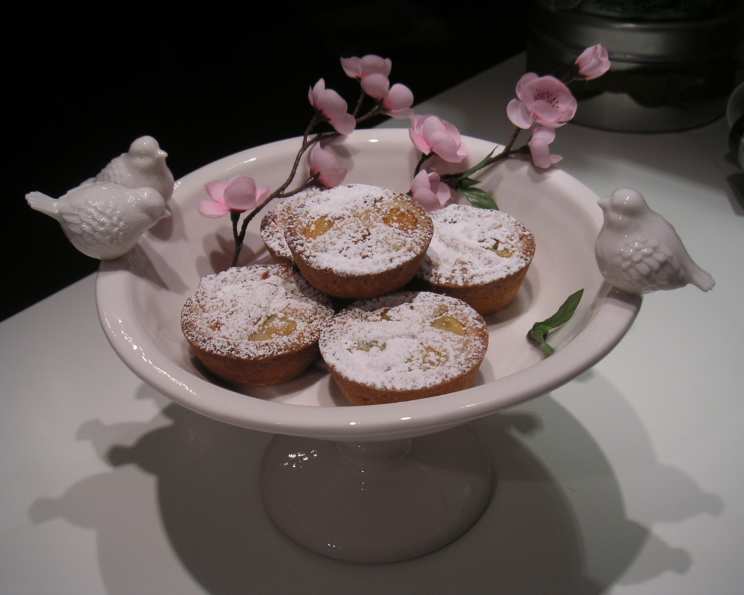
Pastiera Napoletana: An Easter Tradition
The scent of orange blossom water always takes me back to my grandmother’s kitchen in Naples. Every Easter, Nonna would transform her small apartment into a flurry of activity, the centerpiece of which was always the Pastiera Napoletana. I remember being mesmerized by the intricate lattice crust, the creamy filling studded with candied orange, and the aroma that permeated every corner of the house – a sweet, comforting promise of spring and family gathered together. Now, carrying on the tradition myself, I find that each Pastiera I bake is not just a cake, but a loving tribute to those precious memories.
Recipe Overview
- Prep Time: 45 minutes (plus soaking time for wheat)
- Cook Time: 20 minutes
- Total Time: 1 hour 5 minutes (plus chilling time for the dough)
- Yields: 6 large muffin-sized cakes
- Dietary Type: Not suitable for gluten-free, dairy-free, or vegan diets
Ingredients
For the Pasta Frolla (Sweet Shortcrust Pastry):
- 180 g butter, at room temperature
- 200 g flour, double 00 (or all-purpose)
- 70 g powdered sugar
- 50 g eggs
- 50 g white almond extract
- 1 pinch salt
- ½ g neutral vanilla powder (or extract)
For the Inside Dough (Filling):
- 200 g ricotta cheese (Italian cheese similar to cottage cheese)
- 100 g powdered sugar
- 200 g eggs
- 200 g cooked wheat berries (corn for pastiera, already cooked)
- 150 g candied orange, small cubes
- Cinnamon, to taste
- Orange flower water, to taste
- Vanilla essence, to taste
Ingredient Note: Look for “skinless wheat” at Italian specialty shops around Easter. It may be sold dry, canned, or pre-cooked. If using dry wheat, soak it for several days, changing the water daily.
Equipment Needed
- Mixing bowls
- Electric mixer (optional)
- Plastic wrap
- Rolling pin
- 6 large muffin molds
- Oven
- Small saucepan
Instructions
-
Prepare the Wheat (if using dry): Soak the dry wheat berries for several days, changing the water daily. The day before baking, drain the wheat well. Cook the wheat in ½ liter of milk with the rind of ½ a lemon and a pinch of salt for about 4 hours on low heat, covered. Stir occasionally to prevent sticking. When cooked, stir in the grated rind of ½ an orange and a pinch of vanilla. Let cool completely. You can skip this step if you are using canned or pre-cooked wheat.
-
Make the Pasta Frolla (Sweet Shortcrust Pastry): In a large bowl, cream together the softened butter and powdered sugar until light and fluffy. Add a pinch of salt and a splash of water. Mix in the almond extract and eggs, combining well.
-
Gradually add the flour and vanilla powder (or extract), mixing until just combined. Be careful not to overmix, as this will result in a tough crust.
-
Form the dough into a disc, wrap it in plastic wrap, and refrigerate for at least 10-12 hours. This resting period is crucial for developing the dough’s flavor and texture.
-
Prepare the Filling: In a separate bowl, combine the ricotta cheese and powdered sugar. Mix until smooth and creamy.
-
Add the eggs to the ricotta mixture and mix well. Then, stir in a little vanilla essence, cinnamon, and orange flower water to taste.
-
Gently fold in the cooked wheat berries and candied orange.
-
Assemble the Pastiera: Preheat your oven to 180°C (350°F).
-
Remove the Pasta Frolla from the refrigerator. On a lightly floured surface, roll out the dough to about 3mm thick.
-
Cut out circles of dough large enough to line the muffin molds. Gently press the dough into the molds, ensuring it covers the bottom and sides.
-
Fill each mold with the ricotta and wheat filling.
-
Roll out the remaining Pasta Frolla and cut into strips to create a lattice pattern on top of each cake. Secure the ends of the strips to the edges of the crust.
-
Bake in the preheated oven for 20 minutes, or until the crust is golden brown and the filling is set.
-
Remove the Pastiera from the oven and let cool completely in the molds before unmolding.
-
Dust with powdered sugar before serving.
Expert Tips & Tricks
- Wheat Preparation: Pre-cooked wheat significantly cuts down on prep time. Ensure you drain it thoroughly before adding it to the filling.
- Flavor Infusion: For a more intense citrus flavor, consider zesting an orange and lemon directly into the ricotta mixture.
- Crust Perfection: Keep your ingredients cold when making the pasta frolla to prevent the butter from melting too quickly. If the dough becomes too soft while rolling, return it to the refrigerator for a few minutes.
- Lattice Design: A simple lattice design is traditional, but feel free to get creative with your pastry decorations.
- Preventing a Soggy Bottom: Blind baking the crust for a few minutes before adding the filling can help prevent a soggy bottom, especially if your oven tends to run cool.
Serving & Storage Suggestions
Pastiera Napoletana is best served at room temperature, allowing the flavors to fully develop. It’s a beautiful centerpiece for any Easter celebration.
To store, keep the pastiera in an airtight container in the refrigerator. It will keep for up to 3-4 days. While freezing is possible, it may slightly alter the texture of the ricotta filling. If you do freeze it, wrap it tightly in plastic wrap and then aluminum foil. Thaw in the refrigerator overnight before serving. Reheating is not recommended, as it can dry out the crust.
Nutritional Information
(Note: This is an estimated nutritional information table. Actual values may vary based on specific ingredient brands and measurements.)
| Nutrient | Amount per Serving | % Daily Value |
|---|---|---|
| Calories | 550 kcal | 28% |
| Total Fat | 25g | 38% |
| Saturated Fat | 15g | 75% |
| Cholesterol | 150mg | 50% |
| Sodium | 200mg | 8% |
| Total Carbohydrate | 70g | 23% |
| Dietary Fiber | 2g | 8% |
| Sugars | 40g | – |
| Protein | 10g | 20% |
Variations & Substitutions
- Gluten-Free: While traditionally made with wheat flour, you could experiment with a gluten-free flour blend for the pasta frolla. The texture may be slightly different, but still delicious.
- Dairy-Free: Unfortunately, ricotta cheese is a key component of this recipe and there isn’t a great substitute. This recipe is difficult to make dairy-free.
- Citrus Variations: Experiment with different candied citrus fruits, such as lemon or citron, to add a unique twist to the flavor profile.
- Almond Extract Alternative: If you don’t have almond extract, you can use vanilla extract or amaretto liqueur for a similar flavor.
FAQs (Frequently Asked Questions)
Q: What is “corn for pastiera”?
A: In this recipe, “corn” refers to wheat berries that have been cooked until soft. It adds a unique texture and flavor to the filling.
Q: Can I make the pasta frolla ahead of time?
A: Absolutely! In fact, it’s recommended to make the pasta frolla at least 10-12 hours in advance to allow the gluten to relax and the flavors to meld.
Q: Why is the crust so important?
A: The crust, or pasta frolla, provides a buttery and slightly sweet base that complements the creamy filling. It also adds visual appeal with its lattice design.
Q: What does orange flower water do for the pastiera?
A: Orange flower water adds a delicate floral aroma and subtle citrus flavor, enhancing the overall sensory experience of the cake.
Q: How do I know when the pastiera is done baking?
A: The crust should be golden brown, and the filling should be set, meaning it doesn’t jiggle excessively when you gently shake the pan.
Final Thoughts
Pastiera Napoletana is more than just a cake; it’s a symbol of tradition, family, and the joy of Easter. While the recipe may seem a bit involved, the results are well worth the effort. Don’t be afraid to experiment with variations and make it your own. I encourage you to try baking this delightful cake and sharing it with loved ones. Buon appetito, and happy Easter!