
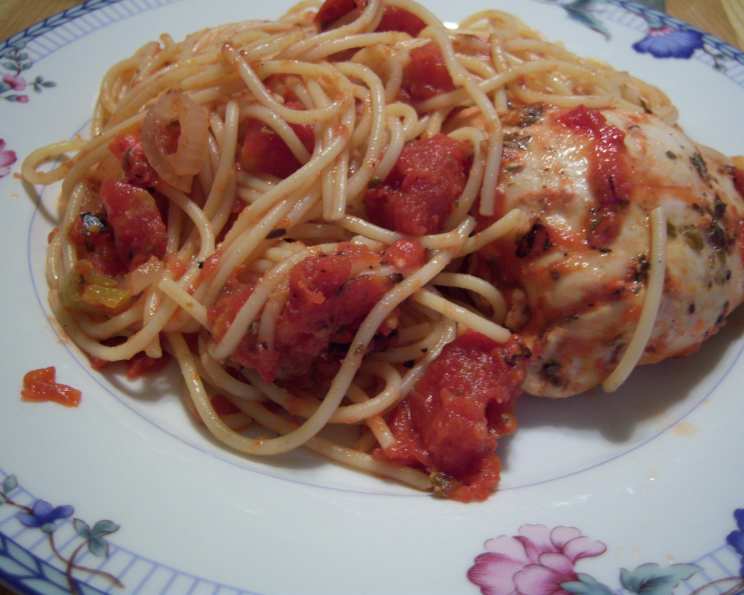
Italian Inn Chicken Cacciatore: A Taste of the Hunter’s Table
The aroma alone transports me back to a cozy trattoria in Tuscany. I remember the comforting scent of simmering tomatoes, earthy mushrooms, and fragrant herbs wafting from the kitchen, a promise of the hearty meal to come. Chicken cacciatore, or “hunter’s chicken,” embodies the rustic charm of Italian cuisine, a dish that’s both deeply flavorful and surprisingly simple to prepare. This recipe, adapted from the beloved Italian Inn Cookbook, captures the essence of that memorable experience, bringing a taste of authentic Italian comfort food to your own table.
Recipe Overview
- Prep Time: 20 minutes
- Cook Time: 55 minutes
- Total Time: 1 hour 15 minutes
- Servings: 6
- Yield: 6 servings
- Dietary Type: Gluten-Free (naturally)
Ingredients
- 3 tablespoons olive oil (divided)
- 6 boneless, skinless chicken breasts
- Salt and fresh ground pepper
- 4 ounces white button mushrooms, wiped clean and sliced 1/4-inch thick
- 1 onion, sliced lengthwise 1/4-inch thick
- 2 celery ribs, strings removed, sliced crosswise 1/4-inch thick
- 1 large garlic clove, minced
- 1⁄4 cup dry white wine
- 2 cups chopped canned tomatoes
- 1⁄2 green bell pepper or 1/2 yellow bell pepper, seeds and ribs removed, sliced lengthwise 1/4-inch thick
- 1 1⁄2 teaspoons finely chopped fresh rosemary
- 1⁄4 cup chicken stock
Equipment Needed
- Medium skillet
- Knife
- Cutting board
- Measuring cups and spoons
Instructions
- Heat 1 tablespoon of olive oil in a medium skillet over high heat.
- Season the chicken breasts with salt and pepper to taste.
- Place the seasoned chicken in the hot skillet and cook until browned on both sides, about 6 minutes total (approximately 3 minutes per side). This step is crucial for developing flavor; don’t overcrowd the pan, work in batches if necessary.
- Transfer the browned chicken to a plate and set aside.
- Wipe out the skillet with a paper towel to remove any browned bits. This prevents burning later.
- Heat another tablespoon of olive oil in the skillet over medium-high heat.
- Add the sliced mushrooms and cook until browned, approximately 5 minutes. Stir occasionally to ensure even browning.
- Remove the mushrooms from the skillet and set aside with the chicken.
- Reduce the heat to low.
- Heat the remaining tablespoon of olive oil in the same skillet.
- Add the sliced onion, celery, and minced garlic to the skillet.
- Cook, stirring frequently, until the onion is translucent, about 8 minutes. Be careful not to burn the garlic, as it will turn bitter.
- Pour in the dry white wine.
- Raise the heat to high.
- Cook until the wine is almost evaporated, about 30 seconds. This process, called deglazing, loosens the flavorful browned bits from the bottom of the pan.
- Add the chopped canned tomatoes, bell pepper, fresh rosemary, and chicken stock to the skillet.
- Season with salt and pepper to taste.
- Stir to combine all ingredients thoroughly.
- Add the browned chicken and mushrooms back to the skillet.
- Bring the mixture to a boil.
- Reduce the heat to medium-low, cover the skillet, and simmer until the chicken is tender and cooked through, about 30 minutes. The internal temperature of the chicken should reach 165°F (74°C). Use a meat thermometer to check for doneness.
- Serve the Chicken Cacciatore hot over your favorite pasta, polenta, or rice.
Expert Tips & Tricks
- Browning is Key: Don’t skip the browning steps for the chicken and mushrooms. This is where much of the deep, savory flavor comes from.
- Garlic Caution: Burnt garlic can ruin the whole dish. Keep the heat low and stir frequently when cooking the garlic, or add it towards the end of the onion and celery cooking process.
- Wine Choice: A crisp, dry white wine like Pinot Grigio or Sauvignon Blanc works well in this recipe. Avoid sweet wines.
- Fresh Herbs Matter: Fresh rosemary adds a wonderful aroma and flavor. If you don’t have fresh rosemary, you can use dried, but use about half the amount.
- Make Ahead: This dish can be made a day or two in advance. The flavors will meld together even more as it sits. Just reheat gently before serving.
Serving & Storage Suggestions
Serve Chicken Cacciatore hot over your favorite cooked pasta, creamy polenta, or fluffy rice to soak up the delicious sauce. Garnish with fresh parsley or basil for added freshness and visual appeal. A side of crusty bread is also perfect for mopping up any remaining sauce.
Leftover Chicken Cacciatore can be stored in an airtight container in the refrigerator for up to 3-4 days. To reheat, gently warm it in a skillet over medium heat, stirring occasionally, until heated through. You can also reheat it in the microwave, but be careful not to overcook the chicken.
For longer storage, Chicken Cacciatore can be frozen for up to 2-3 months. Thaw it in the refrigerator overnight before reheating.
Nutritional Information
Here’s an approximate nutritional breakdown per serving:
| Nutrient | Amount per Serving | % Daily Value |
|---|---|---|
| Calories | 231.6 kcal | N/A |
| Calories from Fat | 77g | 33% |
| Total Fat | 8.6 g | 13% |
| Saturated Fat | 1.4 g | 6% |
| Cholesterol | 68.7 mg | 22% |
| Sodium | 206.6 mg | 8% |
| Total Carbohydrate | 7.3 g | 2% |
| Dietary Fiber | 1.6 g | 6% |
| Sugars | 3.9 g | N/A |
| Protein | 29.1 g | 58% |
Note: Nutritional information is an estimate and may vary based on specific ingredients and portion sizes.
Variations & Substitutions
- Spicy Cacciatore: Add a pinch of red pepper flakes or a chopped chili pepper to the sauce for a touch of heat.
- Mushroom Medley: Use a mix of different mushrooms, such as cremini, shiitake, or portobello, for a more complex flavor.
- Tomato Paste Boost: Add a tablespoon of tomato paste to the sauce for a richer, more concentrated tomato flavor.
- Herb Variations: Experiment with different herbs, such as oregano, thyme, or basil, in addition to or instead of rosemary.
- Bone-in Chicken: For a richer flavor, use bone-in, skin-on chicken thighs or drumsticks instead of boneless, skinless chicken breasts. You may need to adjust the cooking time accordingly.
- Vegetarian Cacciatore: Substitute the chicken for firm tofu or eggplant. Brown the tofu or eggplant as you would the chicken before adding it to the sauce.
FAQs (Frequently Asked Questions)
Q: Can I use canned diced tomatoes instead of chopped?
A: Yes, you can substitute canned diced tomatoes. Just make sure to drain them well before adding them to the sauce.
Q: Can I use chicken thighs instead of breasts?
A: Absolutely! Chicken thighs are a great alternative. They often provide a richer flavor due to their higher fat content. Adjust the cooking time as needed to ensure they are fully cooked.
Q: Can I add other vegetables?
A: Feel free to add other vegetables like carrots, zucchini, or bell peppers to the sauce. Just add them along with the onions and celery.
Q: How do I know when the chicken is cooked through?
A: The best way to check is to use a meat thermometer. Insert it into the thickest part of the chicken breast, and it should read 165°F (74°C).
Q: Can I make this in a slow cooker?
A: Yes, you can adapt this recipe for a slow cooker. Brown the chicken and vegetables as directed, then transfer everything to the slow cooker. Cook on low for 6-8 hours or on high for 3-4 hours.
Final Thoughts
Chicken Cacciatore is more than just a recipe; it’s an invitation to slow down, savor the simple pleasures of cooking, and gather around the table with loved ones. This dish is a testament to the fact that incredible flavors don’t always require complex techniques. It’s a celebration of rustic Italian cooking at its finest. I encourage you to try this recipe, experiment with your own variations, and share the warmth and comfort of Chicken Cacciatore with your family and friends. Pair it with a robust red wine like Chianti for an even more authentic experience. Buon appetito!