
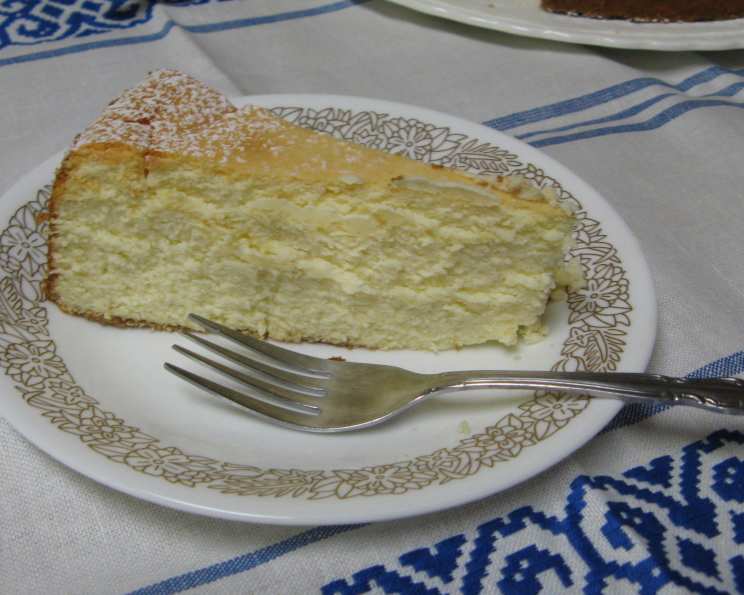
The Quintessential Italian Ricotta Cheesecake: A Taste of Home
The aroma of baking cheesecake has always transported me back to my Nonna’s kitchen. Every Sunday, her tiny Brooklyn apartment would be filled with the sweet, citrusy scent of this classic Italian dessert. I remember being mesmerized as she carefully folded whipped cream into the ricotta mixture, her movements precise and practiced. It wasn’t just a cheesecake; it was a symbol of family, tradition, and the unwavering love that only a grandmother can provide. This recipe, passed down through generations, is my attempt to recreate that feeling, that perfect slice of home.
Recipe Overview
- Prep Time: 20 minutes
- Cook Time: 1 hour 10 minutes
- Total Time: 4 hours 30 minutes (includes cooling time)
- Servings: 12
- Yield: 1 12-inch cheesecake
- Dietary Type: Not Gluten-Free
Ingredients
- 3 lbs whole milk ricotta cheese, drained
- 2 cups sugar
- 8 egg yolks
- 1/2 cup all-purpose flour, sifted
- 1 teaspoon vanilla extract
- 8 egg whites
- 1/2 cup heavy cream, whipped
- 1/2 – 1 tablespoon grated fresh lemon rind
- Graham cracker crumbs
- Confectioners’ sugar, for lightly sprinkling over top of cooled cake (optional)
Equipment Needed
- 12-inch springform pan
- Large mixing bowl
- Small mixing bowl
- Electric mixer (stand or hand-held)
- Rubber spatula
- Measuring cups and spoons
- Butter knife or pastry brush
- Fine-mesh sieve (for sifting flour)
Instructions
- Begin by preheating your oven to 425°F (220°C). Proper oven temperature is crucial for achieving the right texture.
- Prepare a 12-inch springform pan. Generously butter the bottom and sides. This will prevent the cheesecake from sticking and make it easier to release later.
- Sprinkle the bottom and sides of the well-buttered pan with graham cracker crumbs. Ensure an even coating; this creates a delicious crust.
- In a large bowl, place the drained ricotta cheese. Use an electric mixer to beat the ricotta until it’s very smooth and creamy. This step is essential for a silky texture.
- Gradually add 1 1/2 cups of sugar to the ricotta, along with the egg yolks. Beat well after each addition to ensure everything is properly incorporated. The mixture should be light and fluffy.
- Beat in the sifted all-purpose flour, lemon rind, and vanilla extract. Sifting the flour prevents lumps and ensures even distribution. The lemon rind adds a beautiful aroma and flavor.
- In a small bowl, beat the heavy cream until it holds its shape but isn’t too stiff. Set aside. Over-whipped cream can be difficult to fold in.
- In a separate, smaller bowl, beat the egg whites with the remaining 1/2 cup of sugar until stiff peaks form. This is a key step for creating a light and airy cheesecake. Be careful not to over-beat the egg whites, or they will become dry.
- Gently combine the whipped cream and the beaten egg whites. Then, carefully fold this mixture into the ricotta mixture. Folding, rather than stirring, helps to maintain the airiness.
- Pour the mixture into the prepared springform pan. Spread it evenly.
- Bake in the preheated oven at 425°F (220°C) for 10 minutes. This initial high heat helps to set the crust and give the cheesecake a good start.
- Lower the oven temperature to 350°F (175°C) and continue to bake for 1 hour. The cheesecake should be set around the edges but still have a slight jiggle in the center.
- Turn off the heat and allow the cheesecake to cool in the oven with the door closed for about 3-4 hours. This slow cooling process prevents cracking.
- Remove the cooled cheesecake from the oven. Carefully remove the sides of the springform pan.
- Store the cheesecake, well wrapped, in the refrigerator. This allows the flavors to meld and the cheesecake to firm up even more.
- Before serving, lightly sprinkle the top of the cooled cake with confectioners’ sugar (optional). This adds a touch of sweetness and visual appeal.
- The cheesecake may be served chilled or at room temperature, according to your preference.
Expert Tips & Tricks
- Draining the Ricotta: This is arguably the most important step. Place the ricotta in a cheesecloth-lined strainer over a bowl in the refrigerator for several hours, or even overnight. This removes excess moisture, preventing a soggy cheesecake.
- Don’t Over-Mix: Over-mixing the batter, especially after adding the flour, can result in a tough cheesecake. Mix just until the ingredients are combined.
- Water Bath (Optional): For an even creamier texture and to further prevent cracking, consider baking the cheesecake in a water bath. Wrap the bottom of the springform pan tightly in foil, place it in a larger pan, and add hot water to the larger pan until it reaches halfway up the sides of the springform pan.
- Checking for Doneness: The cheesecake is done when the edges are set and the center has a slight jiggle. It will continue to set as it cools. An internal temperature of 150°F (65°C) is ideal.
- Cracking Prevention: Sudden temperature changes can cause cracking. Avoid opening the oven door frequently during baking. The slow cooling process is also crucial.
Serving & Storage Suggestions
This Italian Ricotta Cheesecake is delicious on its own, but it also pairs well with fresh berries, a drizzle of honey, or a dusting of cocoa powder. For a truly decadent experience, serve it with a scoop of vanilla gelato.
Store leftover cheesecake in an airtight container in the refrigerator for up to 5 days. You can also freeze it for up to 2 months. To freeze, wrap the cheesecake tightly in plastic wrap and then in foil. Thaw overnight in the refrigerator before serving.
Nutritional Information
| Nutrient | Amount per Serving | % Daily Value |
|---|---|---|
| Calories | 425 kcal | N/A |
| Calories from Fat | 190 kcal | N/A |
| Total Fat | 21g | 32% |
| Saturated Fat | 13g | 63% |
| Cholesterol | 182mg | 60% |
| Sodium | 141mg | 5% |
| Total Carbohydrate | 42g | 13% |
| Dietary Fiber | 0g | 0% |
| Sugars | 34g | N/A |
| Protein | 18g | 35% |
Note: Nutritional information is an estimate and may vary based on specific ingredients and preparation methods.
Variations & Substitutions
- Gluten-Free: Substitute gluten-free graham crackers for the crust and use a gluten-free all-purpose flour blend.
- Citrus Boost: Add the zest of an orange or a few drops of orange extract for a more pronounced citrus flavor.
- Chocolate Chip: Fold in mini chocolate chips into the ricotta mixture for a chocolatey twist.
- Spiced: Add a pinch of cinnamon, nutmeg, or cardamom to the batter for a warm, comforting flavor.
- Crustless: For a truly light version, skip the graham cracker crust altogether. Just be sure to grease the springform pan well.
FAQs (Frequently Asked Questions)
Q: Why did my cheesecake crack?
A: Cracking can be caused by baking at too high a temperature, opening the oven door frequently during baking, or cooling the cheesecake too quickly. Make sure to follow the recipe instructions carefully for baking and cooling.
Q: Can I use low-fat ricotta cheese?
A: While you can use low-fat ricotta, the cheesecake will not be as creamy. Whole milk ricotta is recommended for the best texture.
Q: How do I know when the cheesecake is done?
A: The edges of the cheesecake should be set, but the center should still have a slight jiggle. It will continue to set as it cools.
Q: Can I make this cheesecake ahead of time?
A: Yes, in fact, it’s recommended! The cheesecake tastes best after it has been refrigerated for at least a few hours, or even overnight.
Q: What can I use instead of graham cracker crumbs for the crust?
A: You can use crushed vanilla wafers, biscotti, or even a simple shortbread cookie crust.
Final Thoughts
This Italian Ricotta Cheesecake is more than just a dessert; it’s a celebration of tradition, family, and the simple pleasures in life. Don’t be intimidated by the process – each step is straightforward, and the result is well worth the effort. I encourage you to try this recipe, adapt it to your own tastes, and share it with those you love. Let me know how it turns out and what variations you discover! Enjoy every delicious bite.