
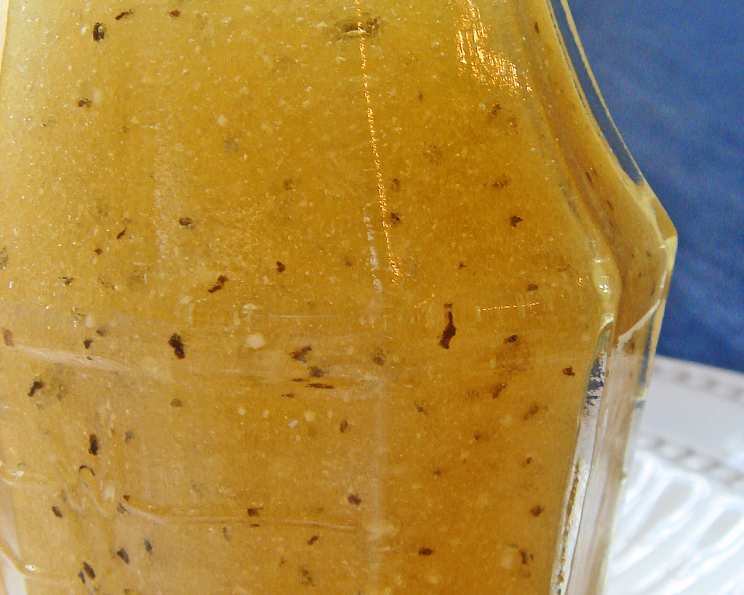
Homemade Italian Salad Dressing: A Family Classic
The scent of garlic and vinegar transports me back to my childhood kitchen. My mom, a culinary artist in her own right, would whip up this very salad dressing every Sunday for our family dinner. There was nothing quite like the simple joy of crisp lettuce leaves coated in that tangy, herbaceous concoction. It wasn’t just a dressing; it was a ritual, a symbol of family, and a taste of home. Now, I’m eager to share the recipe for this beloved dressing with you, so you can make your own memories.
Recipe Overview
- Prep Time: 2 minutes
- Yield: 1 cup
- Serves: 4-6
- Dietary Type: Gluten-Free, Dairy-Free (can be Vegan if Parmesan is omitted)
Ingredients
- ¾ cup vegetable oil
- ¼ cup cider vinegar
- 2 tablespoons water
- 1 teaspoon minced garlic
- 2 teaspoons sugar
- 1 ½ teaspoons salt
- ¼ teaspoon pepper
- 1 teaspoon grated Parmesan cheese (optional)
Equipment Needed
- Bottle or jar with a lid for shaking
- Measuring cups and spoons
Instructions
-
Combine all ingredients in a bottle or jar with a tight-fitting lid.
-
Shake the bottle vigorously until all ingredients are thoroughly blended. The dressing should appear emulsified, though some separation is normal.
-
Allow the flavors to meld for at least one hour at room temperature before serving. For an even more flavorful dressing, refrigerate it overnight. This resting period allows the garlic and spices to infuse the oil and vinegar.
-
Refrigerate any leftover dressing in a sealed container.
-
Shake well before each use, as the ingredients may separate upon standing.
Expert Tips & Tricks
-
Garlic Power: Freshly minced garlic delivers the most potent flavor. However, if you’re short on time, granulated garlic can be used as a substitute. Start with ½ teaspoon of granulated garlic and adjust to your preference.
-
Sugar Substitute: The sugar balances the acidity of the vinegar. You can experiment with honey or maple syrup as healthier alternatives. Start with 1 teaspoon and add more to taste.
-
Cheese Please (or Not): The Parmesan cheese adds a subtle umami note. For a vegan version, simply omit the Parmesan or try a pinch of nutritional yeast for a similar savory flavor.
-
Oil Choice: While vegetable oil is the standard, feel free to experiment with other oils like olive oil or avocado oil. Each oil will impart a slightly different flavor profile to the dressing. If using olive oil, consider a lighter variety to prevent overpowering the other ingredients.
-
Herb Infusion: For an extra layer of flavor, add a teaspoon of dried Italian herbs like oregano, basil, or thyme. Fresh herbs, finely chopped, can also be used, but should be added just before serving to preserve their vibrant color and flavor.
-
Spice It Up: Add a pinch of red pepper flakes for a touch of heat.
-
Emulsification Enhancement: A small amount of Dijon mustard (about ½ teaspoon) can help to emulsify the dressing and prevent separation.
-
Taste as You Go: The beauty of homemade dressing is the ability to customize it to your exact preferences. Taste the dressing after shaking and adjust the ingredients as needed. Add more vinegar for tanginess, sugar for sweetness, or salt and pepper to taste.
Serving & Storage Suggestions
This Italian salad dressing is incredibly versatile and can be used in a variety of ways.
-
Classic Salad: Drizzle it over a bed of mixed greens with your favorite vegetables like tomatoes, cucumbers, onions, and bell peppers.
-
Pasta Salad: Toss cooked pasta with the dressing, chopped vegetables, and your choice of protein for a refreshing pasta salad.
-
Marinade: Use it as a marinade for chicken, fish, or vegetables before grilling or baking.
-
Dipping Sauce: Serve it as a dipping sauce for breadsticks, vegetables, or even pizza crust.
-
Storage: Store leftover dressing in an airtight container in the refrigerator for up to 1 week. The dressing may separate upon standing, so be sure to shake well before each use. It is not recommended to freeze this dressing, as the oil and vinegar may separate and the texture may be affected.
Nutritional Information
Please note that this is an estimate, and the actual nutritional value may vary based on specific ingredients used.
| Nutrient | Amount per Serving | % Daily Value |
|---|---|---|
| Calories | 240 kcal | 12% |
| Total Fat | 26g | 40% |
| Saturated Fat | 4g | 20% |
| Cholesterol | 1mg | 0% |
| Sodium | 580mg | 24% |
| Total Carbohydrate | 2g | 1% |
| Dietary Fiber | 0g | 0% |
| Sugars | 2g | 4% |
| Protein | 0g | 0% |
Variations & Substitutions
-
Olive Oil Italian Dressing: Substitute the vegetable oil with extra virgin olive oil for a richer, fruitier flavor.
-
Creamy Italian Dressing: Add 2 tablespoons of mayonnaise or Greek yogurt for a creamier texture.
-
Lemon Italian Dressing: Replace half of the cider vinegar with fresh lemon juice for a brighter, citrusy flavor.
-
Spicy Italian Dressing: Add a pinch of red pepper flakes or a dash of hot sauce for a kick of heat.
-
Herbaceous Italian Dressing: Add a blend of fresh herbs like parsley, oregano, and basil for a more complex flavor.
-
Sweet Italian Dressing: Increase the amount of sugar or add a tablespoon of honey or maple syrup for a sweeter dressing.
FAQs (Frequently Asked Questions)
Q: How long does homemade Italian salad dressing last?
A: Homemade Italian salad dressing will typically last for up to one week when stored in an airtight container in the refrigerator.
Q: Why does my Italian salad dressing separate?
A: Separation is a natural occurrence in oil-based dressings. Shake the dressing vigorously before each use to re-emulsify the ingredients. Adding a small amount of Dijon mustard can help prevent separation.
Q: Can I use dried herbs instead of fresh herbs?
A: Yes, you can use dried herbs. Use about one teaspoon of dried herbs in place of one tablespoon of fresh herbs.
Q: Can I make this dressing ahead of time?
A: Absolutely! In fact, making it a day or two in advance allows the flavors to meld and develop even further.
Q: Can I use balsamic vinegar instead of cider vinegar?
A: Yes, you can substitute balsamic vinegar for cider vinegar, but be aware that it will impart a slightly sweeter and more complex flavor to the dressing. You may want to reduce the amount of sugar accordingly.
Final Thoughts
I hope you enjoy this classic Italian salad dressing recipe as much as my family does. It’s a simple yet flavorful dressing that can elevate any salad or dish. Don’t be afraid to experiment with different variations and substitutions to create your own signature dressing. And most importantly, share it with your loved ones and create lasting memories around the table. Buon appetito!