
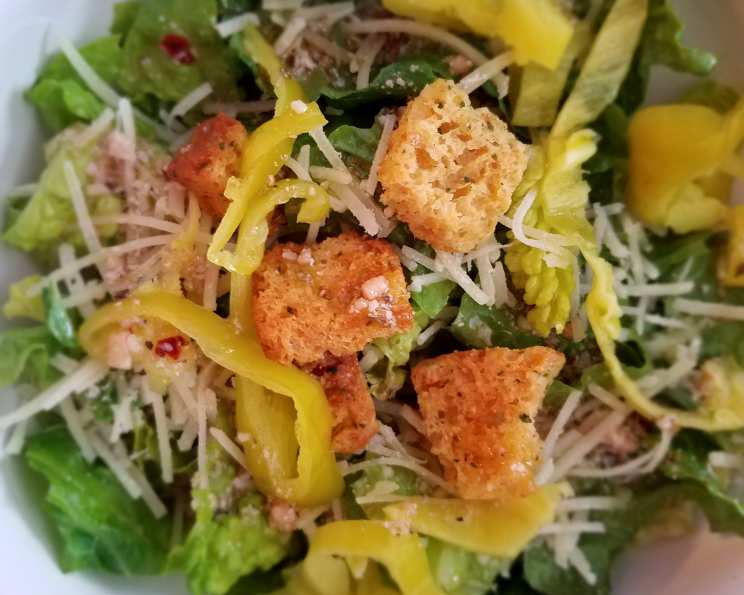
The Quintessential Italian Vinaigrette: A Taste of Home
My Nonna Emilia, a force of nature in the kitchen, had one golden rule: a good salad starts with a great vinaigrette. I remember standing on a stool, barely tall enough to see over the counter, watching her whisk together olive oil, vinegar, and a secret blend of herbs. The aroma alone was enough to make my mouth water, promising a vibrant and flavorful meal to come. This Italian vinaigrette recipe isn’t just a dressing; it’s a taste of my childhood, a connection to my heritage, and a testament to the simple elegance of Italian cuisine.
Recipe Overview
- Prep Time: 5 minutes
- Cook Time: 0 minutes
- Total Time: 5 minutes
- Yields: Approximately 3 tablespoons
- Serves: 4
- Dietary Type: Vegetarian, Vegan (if parmesan is omitted), Gluten-Free
Ingredients
- 3 tablespoons olive oil (extra virgin preferred)
- 2 tablespoons red wine vinegar (adjust to taste)
- ½ teaspoon Italian seasoning
- ½ teaspoon minced garlic (freshly minced is best)
- 1-2 teaspoons grated Parmesan cheese (optional, for a richer flavor)
- Salt and freshly ground black pepper to taste
- 1 pinch red pepper flakes (optional, for a touch of heat)
Equipment Needed
- Small bowl or ramekin
- Whisk or fork
Instructions
-
In a small bowl or ramekin, combine the olive oil, red wine vinegar, Italian seasoning, and minced garlic.
-
If using, add the grated Parmesan cheese.
-
Season with salt, black pepper, and the optional red pepper flakes.
-
Using a whisk or fork, vigorously whisk all the ingredients together until they are thoroughly combined and slightly emulsified. This will help the vinaigrette cling to your salad greens.
-
Taste and adjust the seasoning as needed. You may want to add more vinegar for a tangier dressing or more olive oil for a smoother, milder flavor.
-
Drizzle over your favorite salad and enjoy!
Expert Tips & Tricks
- Emulsification is Key: For a vinaigrette that doesn’t separate immediately, whisk it with gusto. The goal is to create a temporary emulsion where the oil and vinegar are suspended together. While it won’t last forever, a good whisk will give you a few minutes to dress your salad before it separates again.
- Garlic Power: Freshly minced garlic is always best for a vibrant flavor. However, if you’re short on time, jarred minced garlic will work in a pinch. Just be aware that the flavor won’t be quite as intense.
- Infuse for Extra Flavor: For an even deeper flavor, let the vinaigrette sit for at least 30 minutes before using it. This allows the flavors to meld and deepen. You can even make it a day ahead of time and store it in the refrigerator. Just be sure to bring it to room temperature before using.
- Parmesan Alternative: For a vegan option, skip the Parmesan cheese altogether. You can add a teaspoon of nutritional yeast for a slightly cheesy flavor, or a pinch of sugar to balance the acidity.
- Vinegar Variations: While red wine vinegar is traditional, feel free to experiment with other vinegars, such as white wine vinegar, balsamic vinegar (use sparingly, as it’s stronger), or even apple cider vinegar. Each will impart a slightly different flavor profile.
- Spice It Up: If you like a spicier vinaigrette, increase the amount of red pepper flakes or add a dash of your favorite hot sauce.
- Herb Infusion: For an extra burst of freshness, add a teaspoon of finely chopped fresh herbs, such as basil, oregano, or parsley.
Serving & Storage Suggestions
This Italian vinaigrette is incredibly versatile and can be used in a variety of ways:
- Salad Dressing: The most obvious use! Drizzle it over mixed greens, chopped vegetables, or a Caprese salad with fresh mozzarella and tomatoes.
- Marinade: Use it to marinate chicken, fish, or vegetables before grilling or roasting. The acidity in the vinegar will help tenderize the meat and infuse it with flavor.
- Dipping Sauce: Serve it as a dipping sauce for crusty bread or grilled vegetables.
- Pasta Salad: Toss it with cooked pasta, vegetables, and your favorite protein for a quick and easy pasta salad.
Storage: Store leftover vinaigrette in an airtight container in the refrigerator for up to 1 week. The oil may solidify in the refrigerator, so be sure to bring it to room temperature and whisk it again before using. It’s best not to freeze vinaigrette, as the oil and vinegar may separate upon thawing.
Nutritional Information
Note: Nutritional information is an estimate and may vary based on specific ingredients and portion sizes.
| Nutrient | Amount per Serving | % Daily Value |
|---|---|---|
| Calories | 110 kcal | 6% |
| Total Fat | 12g | 15% |
| Saturated Fat | 1.7g | 9% |
| Cholesterol | 1mg | 0% |
| Sodium | 2mg | 0% |
| Total Carbohydrate | 0.2g | 0% |
| Dietary Fiber | 0g | 0% |
| Sugars | 0.1g | 0% |
| Protein | 0.1g | 0% |
Variations & Substitutions
- Lemon Vinaigrette: Substitute lemon juice for the red wine vinegar for a brighter, more citrusy flavor. Add a teaspoon of lemon zest for an extra boost of lemon flavor.
- Honey Mustard Vinaigrette: Add a teaspoon of honey and a teaspoon of Dijon mustard for a sweeter, tangier vinaigrette.
- Balsamic Vinaigrette: Use balsamic vinegar instead of red wine vinegar for a richer, more complex flavor. You may want to add a teaspoon of honey or maple syrup to balance the acidity.
- Herb-Infused Oil: Infuse your olive oil with herbs like rosemary, thyme, or basil for a more flavorful base. Simply heat the oil with the herbs over low heat for about 30 minutes, then let it cool and strain out the herbs.
- Garlic-Infused Oil: Similarly, you can infuse your olive oil with garlic for a garlicky flavor.
FAQs (Frequently Asked Questions)
Q: Why does my vinaigrette separate?
A: Oil and vinegar naturally separate because they are not miscible (they don’t mix). Whisking creates a temporary emulsion, but it will eventually separate again. Whisking right before serving helps.
Q: Can I make this vinaigrette ahead of time?
A: Yes, you can make it up to a week in advance and store it in the refrigerator. Be sure to bring it to room temperature and whisk it again before using.
Q: Can I use dried herbs instead of Italian seasoning?
A: Yes, you can use a combination of dried oregano, basil, rosemary, thyme, and marjoram. Use about ¼ teaspoon of each.
Q: What if I don’t have red wine vinegar?
A: You can substitute white wine vinegar, apple cider vinegar, or even lemon juice.
Q: How can I make this vinaigrette sweeter?
A: Add a teaspoon of honey, maple syrup, or sugar to balance the acidity of the vinegar.
Final Thoughts
This Italian vinaigrette is more than just a recipe; it’s a foundation for countless delicious meals. Don’t be afraid to experiment with different ingredients and flavors to create your own signature version. I encourage you to try this recipe and share it with your loved ones. Serve it with a simple green salad alongside grilled chicken or fish, or drizzle it over roasted vegetables for a vibrant and flavorful side dish. And don’t forget to share your creations and feedback – I’d love to hear how you make it your own! Buon appetito!