
Onigiri and Bento Box Adventures: A Culinary Journey to Japan
My first real taste of Japanese culture wasn’t in a bustling Tokyo market, but in a quiet park during cherry blossom season in my hometown. A friend, returning from a semester abroad, unpacked a beautifully arranged bento box. The vibrant colors of neatly arranged fruits and vegetables, the savory aroma of seaweed-wrapped rice balls, and the sheer artistry of it all were captivating. Each bite was an adventure, a delightful combination of textures and flavors that transported me to another world. That day sparked a lifelong love affair with Japanese cuisine, particularly the simple elegance of onigiri and bento boxes.
Recipe Overview
- Prep Time: 30 minutes
- Cook Time: 25 minutes
- Total Time: 55 minutes
- Yields: 3 cups rice
- Dietary Type: Adaptable (see variations)
Ingredients
- 3 cups cooked sushi rice (available in the oriental aisle of most supermarkets)
- 1 cup water (salted, for wetting hands)
- Melon (cantaloupe, honeydew melon, or watermelon)
- Strawberry (or raspberries, blueberries, blackberries, cherries)
- Apple (or pears, Asian pears)
- Pineapple (or mango, starfruit, kiwi, small orange sections)
- Nori (seaweed sheets)
- Hard-boiled egg
- Carrot (or celery, asparagus, beans, peas, cucumber, radishes)
- Greens (lettuce, spinach, parsley)
- Deli turkey (or ham, beef)
- Cheese
- Bread (or sandwiches cut into shapes)
- Crackers (fishy crackers)
Equipment Needed
- Rice cooker (optional)
- Mixing bowl
- Cookie cutters
- Paring knife
- Silicone muffin cups (optional)
- Craft punches or scissors (optional)
Instructions
-
Cook the sushi rice according to the package directions. Important: Do not add vinegar or sugar like you would when making sushi. We want plain, cooked rice for this recipe. Many rice cookers have a specific setting for sushi rice, which results in a slightly stickier texture that’s ideal for forming onigiri.
-
Once the rice has cooled slightly (warm is fine, but not piping hot), prepare a bowl with the salted water. This is essential to prevent the rice from sticking to your hands.
-
To form the onigiri, dip your hands in the bowl of salted water. Take a handful of the cooked rice. You can mold it into a ball, a triangle, or even pack it very tightly into a cookie cutter to create fun shapes. Then, gently unmold the shape. Another option is to flatten the rice into a disc, add a small amount of your chosen filling (leftover meat, for example) into the center. Fold the edges of the rice up to hide the filling, or add more rice on top to form a ball or triangle. Remember to keep your hands wet throughout the process to keep the rice from sticking.
-
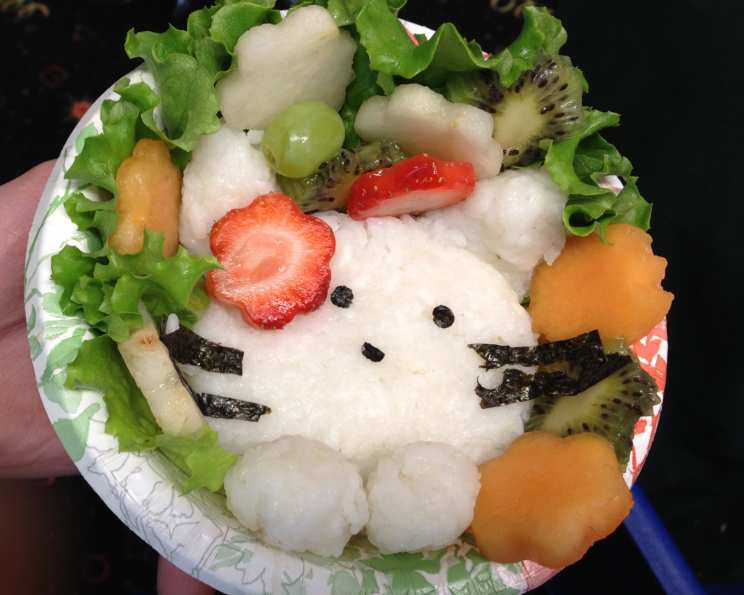
Now, it’s time to create your bento box! Using cookie cutters or a paring knife, cut the fruits, veggies, meats, cheeses, and sandwiches (if using) into cute and interesting shapes.
-
Arrange the shaped ingredients artfully in your bento box. Stack them, line them up, or create little scenes and characters. Let your imagination run wild!
-
If you’re including ingredients that might leak juice onto other items (like berries or sliced tomatoes) or foods that tend to roll around (like blueberries or peas), consider using silicone muffin cups to keep them separate and contained.
-
For an extra touch of whimsy, use craft punches or scissors to make shapes out of the nori (seaweed sheets). Moisten the back of the nori shapes slightly and stick them onto the onigiri. The moisture will help them adhere nicely to the rice.
Expert Tips & Tricks
- Rice Perfection: Achieving the right consistency of rice is key. Sushi rice is typically short-grain and becomes sticky when cooked, making it easy to mold. If your rice is too dry, add a tiny bit more water during cooking. If it’s too wet, spread it out on a baking sheet to cool and dry slightly.
- Flavor Boost: While the recipe calls for plain rice, you can add a subtle flavor boost by mixing in a small amount of furikake (a Japanese rice seasoning blend) after the rice is cooked.
- Filling Variety: Don’t be afraid to experiment with fillings for your onigiri! Tuna mayo, pickled plums (umeboshi), salmon flakes, or even seasoned ground meat are all delicious options.
- Nori Storage: Store your nori sheets in an airtight container with a desiccant packet (often included in the packaging) to prevent them from becoming soggy.
- Presentation Matters: The beauty of a bento box lies in its presentation. Use contrasting colors and textures to create a visually appealing meal.
Serving & Storage Suggestions
Serve your onigiri and bento box immediately for the best flavor and texture. If you’re preparing it in advance, store it in the refrigerator. Onigiri are best consumed within 24 hours, as the rice can dry out and the nori can become soggy. Wrap each onigiri individually in plastic wrap to help maintain its moisture. Most of the other bento box components, like cut fruits and vegetables, should also be consumed within 24 hours for optimal freshness. It is not recommended to freeze onigiri, as the rice texture will degrade significantly.
Nutritional Information
| Nutrient | Amount per Serving | % Daily Value |
|---|---|---|
| Calories | 413.5 kcal | N/A |
| Calories from Fat | 36 g | 9% |
| Total Fat | 4 g | 6% |
| Saturated Fat | 0.9 g | 4% |
| Cholesterol | 62.2 mg | 20% |
| Sodium | 95.6 mg | 3% |
| Total Carbohydrate | 90.4 g | 30% |
| Dietary Fiber | 8.2 g | 32% |
| Sugars | 37.9 g | 151% |
| Protein | 8 g | 15% |
Please note that these values are estimates and can vary based on specific ingredients and portion sizes.
Variations & Substitutions
- Vegetarian/Vegan: Substitute the deli turkey and cheese with tofu, tempeh, or other plant-based proteins. Use vegan cheese alternatives. Fill onigiri with pickled vegetables, edamame, or seasoned mushrooms.
- Gluten-Free: Ensure all ingredients, including soy sauce (if used in fillings), are gluten-free. Use gluten-free bread or rice crackers.
- Kid-Friendly: Tailor the ingredients to your child’s preferences. Mini sausages, cheese cubes, and colorful fruits and vegetables are always a hit.
- Seasonal: Adapt the bento box to the seasons. In the fall, include roasted sweet potatoes or pumpkin. In the summer, use fresh berries and stone fruits.
FAQs (Frequently Asked Questions)
Q: Can I use regular rice instead of sushi rice?
A: While you can, sushi rice is recommended because its stickier texture makes it easier to mold into shapes for onigiri. Regular long-grain rice will likely be too dry and crumbly.
Q: How do I prevent the nori from getting soggy?
A: The best way to prevent soggy nori is to assemble your onigiri just before serving. If you’re making them in advance, wrap each onigiri individually in plastic wrap to create a barrier between the rice and the nori.
Q: Can I make onigiri ahead of time and store them in the refrigerator?
A: Yes, you can make onigiri ahead of time, but they are best consumed within 24 hours. Wrap them individually in plastic wrap and store them in the refrigerator to prevent the rice from drying out.
Q: What are some good vegetarian fillings for onigiri?
A: Some delicious vegetarian fillings include pickled plums (umeboshi), seasoned tofu, edamame, stir-fried vegetables, and avocado.
Q: How can I get my kids involved in making bento boxes?
A: Bento boxes are a great activity for kids! Let them choose their favorite ingredients, cut out shapes with cookie cutters, and arrange the items in the box themselves.
Final Thoughts
Creating onigiri and bento boxes is more than just making a meal; it’s about embracing creativity, celebrating fresh ingredients, and adding a touch of joy to your day. Don’t be afraid to experiment with different flavors and presentations. Whether you’re packing a lunch for work, sending your kids off to school, or simply looking for a fun and healthy snack, onigiri and bento boxes are sure to delight. So, gather your ingredients, unleash your inner artist, and embark on your own culinary journey to Japan! Let me know in the comments what fun creations you came up with!