
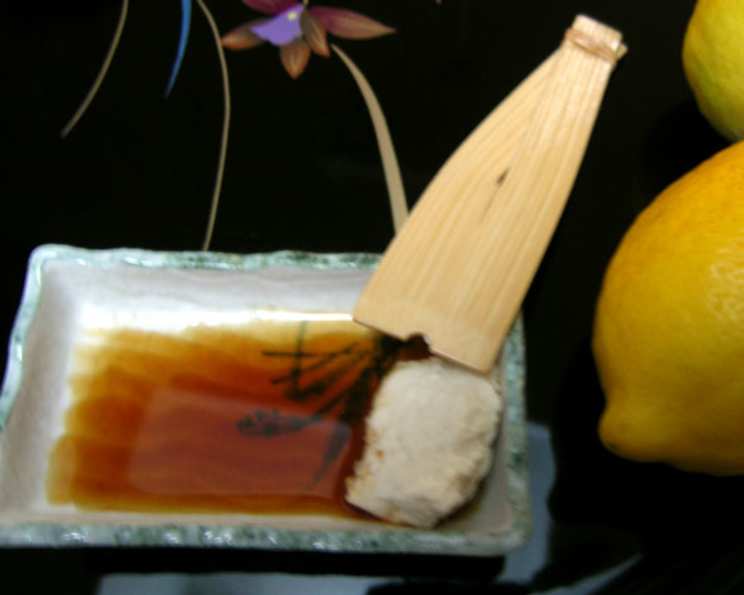
Vegetarian Ponzu: A Zesty Japanese Delight
I remember the first time I tasted true ponzu. It wasn’t in a fancy restaurant, but at a tiny, bustling izakaya in Tokyo. The chef, a wizened man with hands that moved like a hummingbird’s wings, placed a small dish of the glistening, amber liquid before me. I dipped a piece of delicately steamed tofu into it, and the explosion of citrus, umami, and subtle sweetness transported me. The memory of that vibrant flavor, so clean and invigorating, has stayed with me ever since, inspiring me to recreate it in my own kitchen – especially for my vegetarian friends who often miss out on the traditional, fish-based versions.
Recipe Overview
- Prep Time: 10 minutes
- Cook Time: 5 minutes
- Total Time: At least 2 days 10 minutes (for infusing)
- Servings: 24
- Yield: About 600 ml
- Dietary Type: Vegetarian, Vegan, Gluten-Free
Ingredients
- 200 ml sake
- 1 piece (10 x 15 cm) kombu, cut in 3 pieces (seaweed or kelp)
- 250 ml soy sauce
- 100 ml rice vinegar
- 4 teaspoons sugar
- Juice of 4 lemons (Meyer lemons preferred, but any combination of lemons, limes, or some orange can be used)
Equipment Needed
- Small saucepan
- Glass container (for refrigeration)
- Measuring cups and spoons
Instructions
- In a small saucepan, combine the sake and the cut kombu. Heat over medium heat, bringing the mixture to a boil.
- Allow the mixture to boil gently until the alcohol has cooked off, approximately 3-5 minutes. It’s crucial not to overcook the sake; you only want to evaporate the alcohol.
- Remove the saucepan from the heat. Add the soy sauce, rice vinegar, and sugar to the sake-kombu mixture. Stir well to ensure the sugar dissolves completely.
- Squeeze the juice from the lemons (or the combination of citrus fruits you are using) and add it to the saucepan. Stir everything together thoroughly.
- Transfer the ponzu sauce to a clean glass container. Seal the container tightly and refrigerate for at least 2 days. This allows the flavors to meld and deepen.
- After 2 days (or longer, for a more intense flavor), remove the kombu from the sauce.
- Store the finished ponzu sauce in the refrigerator.
Expert Tips & Tricks
- Citrus Variety: Don’t be afraid to experiment with different citrus combinations! Using a mix of lemons, limes, and a touch of orange can create a complex and nuanced flavor profile. Meyer lemons, if available, impart a sweeter, less acidic note that’s particularly lovely.
- Kombu Reuse: Instead of discarding the kombu after infusing the sauce, consider using it to line miso paste. This imparts a subtle umami flavor to the miso. You can also simmer the kombu in water to make a light dashi broth.
- Sugar Adjustment: The amount of sugar can be adjusted to your preference. If you prefer a tangier ponzu, reduce the sugar slightly.
- Salt Levels: Soy sauces vary in saltiness. Taste your ponzu after the initial refrigeration period and adjust the amount of soy sauce accordingly in your future batches. A lower sodium soy sauce can be used to reduce the overall sodium content.
- Infusion time: While 2 days is the minimum infusion time, allowing the ponzu to infuse for a week or even longer will result in a richer, more complex flavor.
Serving & Storage Suggestions
Ponzu sauce is incredibly versatile. It’s traditionally served as a dipping sauce for shabu-shabu and other Japanese hot pot dishes (nabemono). However, its uses extend far beyond that.
- Dipping Sauce: Serve it as a dipping sauce for steamed vegetables (like asparagus, broccoli, or spinach), grilled fish, tofu, or even thinly sliced meat.
- Salad Dressing: Whisk a small amount of ponzu with a high-quality oil (such as sesame oil or olive oil) to create a light and refreshing Japanese-style salad dressing. Be careful not to overdo the oil, as ponzu already has a strong flavor.
- Marinade: Use it as a marinade for fish or chicken before grilling or baking. The citrus in the ponzu will help tenderize the protein and infuse it with flavor.
- Finishing Sauce: Drizzle it over steamed rice, noodles, or even avocado toast for a burst of flavor.
Store the ponzu sauce in an airtight container in the refrigerator. It will keep for several weeks, and the flavor may even improve over time as the ingredients continue to meld. It is not recommended to store at room temperature due to the fresh citrus content. Freezing is not recommended as it may alter the texture and flavor of the sauce.
Nutritional Information
Please note that the following nutritional information is an estimate and can vary based on specific ingredients used.
| Nutrient | Amount per Serving | % Daily Value |
|---|---|---|
| Calories | 15 kcal | 1% |
| Total Fat | 0g | 0% |
| Saturated Fat | 0g | 0% |
| Cholesterol | 0mg | 0% |
| Sodium | 213mg | 9% |
| Total Carbohydrate | 1g | 0% |
| Dietary Fiber | 0g | 0% |
| Sugars | 0.5g | 1% |
| Protein | 0.3g | 1% |
Variations & Substitutions
- Gluten-Free: Ensure you are using a gluten-free soy sauce (tamari).
- Citrus Alternatives: As mentioned earlier, feel free to experiment with different citrus fruits. Yuzu is the traditional choice, but it can be difficult to find outside of Japan. Other options include grapefruit, blood orange, or even a splash of tangerine juice.
- Spicy Ponzu: Add a small amount of red pepper flakes or a dash of chili oil to the sauce for a spicy kick.
- Umami Boost: For a deeper umami flavor, consider adding a few dried shiitake mushrooms to the sake-kombu mixture while it’s simmering. Remove the mushrooms along with the kombu after the infusion period.
FAQs (Frequently Asked Questions)
Q: Can I use dried lemon or lime peel to enhance the citrus flavor?
A: Yes, adding a small amount of dried citrus peel to the sauce during the refrigeration period can enhance the citrus aroma and flavor. Be sure to use organic peel, as conventional citrus fruits may be treated with pesticides.
Q: How long does the ponzu sauce last in the refrigerator?
A: Properly stored in an airtight container, homemade ponzu sauce can last for several weeks in the refrigerator. The flavor may even improve over time.
Q: Can I reduce the sodium content of this recipe?
A: Yes, using a reduced-sodium soy sauce is a simple way to lower the sodium content of the ponzu sauce without significantly altering the flavor.
Q: What is kombu, and where can I find it?
A: Kombu is a type of dried seaweed used extensively in Japanese cuisine to add umami flavor to dishes. You can find it at most Asian markets or online.
Q: Can I use regular lemons if I can’t find Meyer lemons?
A: Absolutely! While Meyer lemons offer a slightly sweeter and less acidic flavor, regular lemons will work perfectly well in this recipe. You may want to adjust the amount of sugar to balance the acidity to your liking.
Final Thoughts
This vegetarian ponzu sauce is a testament to the fact that you don’t need animal products to create truly exceptional flavors. The combination of sake, kombu, soy sauce, rice vinegar, sugar, and fresh citrus creates a symphony of taste that is both refreshing and deeply satisfying. I encourage you to try this recipe and experience the magic of ponzu for yourself. Feel free to experiment with different citrus combinations and adjustments to suit your palate. Once you’ve tasted the vibrant flavor of homemade ponzu, you’ll never go back to store-bought! Share your creations and feedback, and enjoy pairing this versatile sauce with your favorite Japanese-inspired dishes!