
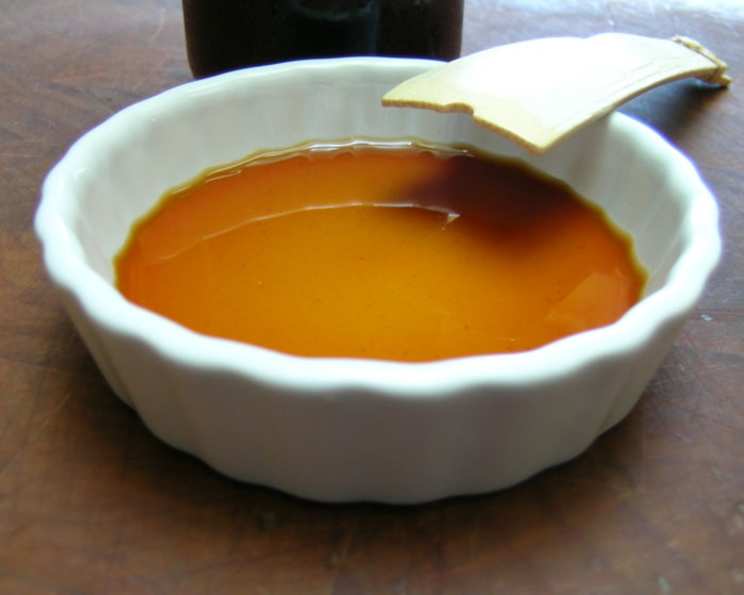
Japanese Ponzu Sauce With Meyer Lemons: A Citrus Symphony
The first time I tasted ponzu, I was at a tiny izakaya in Tokyo, tucked away on a side street barely wide enough for a bicycle. The chef, a stoic man with hands that moved with incredible precision, placed a small dish in front of me filled with what looked like the simplest of sauces. But one dip of grilled tofu later, and I was transported. The bright acidity, the savory depth, the subtle sweetness – it was a revelation. Now, living far from that little Tokyo gem, I’ve found myself yearning for that same flavor, and my abundant Meyer lemon tree has become my personal key to unlocking it. Its fragrant, slightly sweet lemons offer a unique twist on the traditional yuzu, lending a sunshiney vibrancy to this classic Japanese condiment.
Recipe Overview
- Prep Time: 15 minutes
- Cook Time: 0 minutes
- Total Time: 1 day, 15 minutes (includes refrigeration time)
- Servings: Varies
- Yield: Approximately 1 1/8 cups
- Dietary Type: Gluten-Free (check soy sauce label), Dairy-Free
Ingredients
- 1 piece kombu seaweed (3 x 2 inches)
- 1 – 1 ½ cups bonito flakes (katsuobushi)
- ¾ cup soy sauce, plus 2 tablespoons soy sauce
- ¾ cup Meyer lemon juice (from about 5-6 lemons depending on size)
- ⅓ cup mirin, plus 1 tablespoon mirin
- 2 teaspoons sugar
- 2 teaspoons rice vinegar
Equipment Needed
- Medium-sized mixing bowl
- Measuring cups and spoons
- Fine-mesh strainer or cheesecloth-lined sieve
- Storage container (glass jar recommended)
Instructions
-
In a medium-sized mixing bowl, combine the kombu seaweed, bonito flakes, soy sauce, Meyer lemon juice, mirin, sugar, and rice vinegar.
-
Stir the mixture gently to ensure the sugar dissolves.
-
Cover the bowl tightly and refrigerate for 1 to 2 days to allow the flavors to meld and deepen. The longer it sits, the more pronounced the dashi flavor will become.
-
After the desired refrigeration time (typically 1 day for a balanced flavor), strain the mixture thoroughly through a fine-mesh strainer or a sieve lined with cheesecloth. This will remove the solids and leave you with a clear, vibrant ponzu sauce. Be patient and allow the liquid to drip through – avoid pressing on the solids, as this can make the sauce cloudy.
-
Transfer the strained ponzu sauce to a clean storage container, preferably a glass jar with a tight-fitting lid.
-
Store the ponzu sauce in the refrigerator.
Expert Tips & Tricks
- Meyer Lemon Magic: The key to this recipe’s unique character is the Meyer lemon. Their sweeter, less acidic flavor profile creates a more mellow and balanced ponzu. If you can’t find Meyer lemons, regular lemons will work, but you might want to add a touch more sugar to compensate for the increased acidity.
- Dashi Depth: The dashi flavor, derived from the kombu and bonito flakes, is crucial to ponzu’s savory depth. Experiment with the amount of bonito flakes to find your preferred intensity. Starting with 1 cup and increasing to 1 ½ cups will result in a stronger dashi flavor.
- Kombu Considerations: Wipe the kombu with a damp cloth before using to remove any surface impurities. Do not wash it vigorously, as this can remove some of the glutamates that contribute to the umami flavor.
- Sweetness Adjustment: Taste the ponzu after it has steeped and adjust the sugar to your preference. The sweetness should complement the acidity, not overpower it.
- Strain Savvy: For a perfectly clear ponzu, use a cheesecloth-lined sieve and allow the sauce to drip through naturally. Avoid pressing on the solids, as this can cloud the liquid.
- Vegetarian Variation: For a vegetarian version, omit the bonito flakes and substitute with shiitake mushrooms. Soak dried shiitake mushrooms in water overnight, then use the soaking liquid in place of the dashi.
Serving & Storage Suggestions
Ponzu sauce is incredibly versatile and can be used in countless ways. It’s fantastic as a dipping sauce for gyoza, tempura, shabu-shabu, and grilled meats or fish. Drizzle it over steamed vegetables, tofu, or use it as a flavorful base for salad dressings. Mix it with a little sesame oil and ginger for an exceptional marinade.
Properly stored in the refrigerator, homemade ponzu sauce will keep for up to 6 months. The high acidity helps to preserve it. There is no need to freeze this sauce.
Nutritional Information
Please note that these values are estimates and can vary based on specific ingredients used.
| Nutrient | Amount per Serving (approx. 1 tbsp) | % Daily Value* |
|---|---|---|
| Calories | 15 kcal | 1% |
| Total Fat | 0g | 0% |
| Saturated Fat | 0g | 0% |
| Cholesterol | 0mg | 0% |
| Sodium | 814mg | 34% |
| Total Carbohydrate | 2g | 1% |
| Dietary Fiber | 0g | 0% |
| Sugars | 1g | 2% |
| Protein | 1g | 2% |
*Percent Daily Values are based on a 2,000 calorie diet.
Variations & Substitutions
- Citrus Blend: Experiment with different citrus fruits! Combine Meyer lemon juice with orange, grapefruit, or even lime juice for a unique flavor profile.
- Spice It Up: Add a pinch of red pepper flakes or a finely minced chili pepper to the mixture for a touch of heat.
- Herbal Infusion: Infuse the ponzu with fresh herbs like cilantro, mint, or basil during the refrigeration period.
- Yuzu Twist: If you can find yuzu juice, substitute it for a portion of the Meyer lemon juice for a more traditional ponzu flavor.
- Soy Sauce Swap: Use tamari for a gluten-free version.
FAQs (Frequently Asked Questions)
Q: Can I use regular lemons instead of Meyer lemons?
A: Yes, you can use regular lemons. However, they are more acidic than Meyer lemons, so you may want to add a little more sugar to balance the flavor.
Q: How long does it take for the flavors to develop?
A: Ideally, refrigerate the mixture for 1 to 2 days to allow the flavors to meld. However, even after just a few hours, the ponzu will be flavorful.
Q: Can I reuse the kombu and bonito flakes after straining?
A: Yes! The leftover kombu and bonito flakes can be used to make furikake, a Japanese seasoning. Dry them in a low oven, then crumble them and mix with sesame seeds, sugar, and soy sauce.
Q: Is this recipe gluten-free?
A: The recipe is naturally gluten-free, but always check the label of your soy sauce to ensure it is gluten-free. Tamari is a good gluten-free alternative.
Q: Can I adjust the level of saltiness?
A: Yes, you can adjust the amount of soy sauce to your preference. Start with the recommended amount and add more to taste, if needed. Keep in mind that the flavors will intensify as the sauce sits.
Final Thoughts
This Meyer lemon ponzu is more than just a sauce; it’s a vibrant expression of flavor, a testament to the magic that happens when simple ingredients are combined with care and patience. I encourage you to give this recipe a try, experiment with your own citrus combinations, and discover the versatility of this incredible condiment. Share your creations with friends and family, and let them experience the sunshiney taste of Meyer lemons in a whole new way. And if you happen to stumble upon a little izakaya serving grilled tofu with ponzu, remember me and my little Meyer lemon tree.