
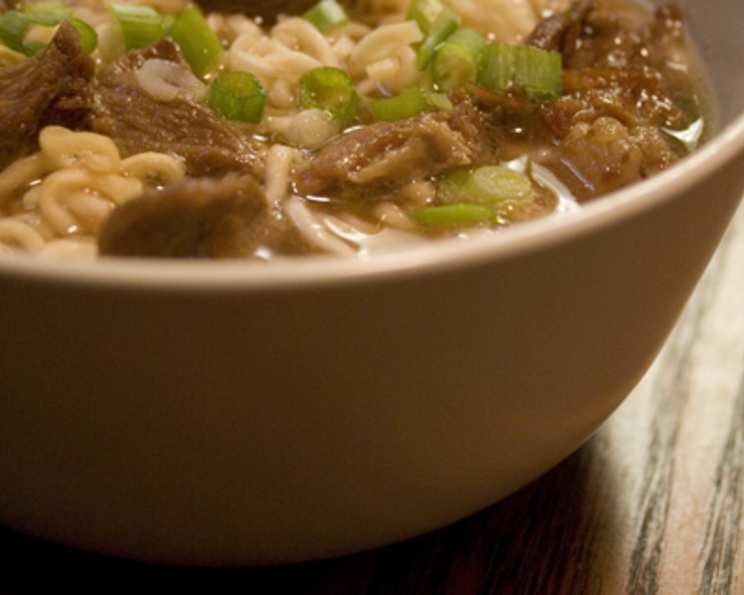
Mastering Ramen Shop Ramen: A Journey to Japan in a Bowl
The first time I tasted authentic ramen, it wasn’t in a fancy restaurant, but a tiny, hole-in-the-wall shop tucked away in a quiet Tokyo alley. Steam fogged the windows, the air thick with the savory aroma of pork broth and toasted sesame. Slurping the rich, deeply flavorful broth, perfectly al dente noodles clinging to my chopsticks, I felt an immediate connection to Japanese culinary tradition. It was a simple, yet profound experience that sparked a lifelong passion for recreating that perfect bowl of ramen at home. This recipe aims to capture the essence of that experience, offering a taste of true ramen shop flavor.
Recipe Overview
- Prep Time: 20 minutes
- Cook Time: 4 hours
- Total Time: 4 hours 20 minutes
- Servings: 4-6
- Yield: 4-6 bowls
- Dietary Type: Not Gluten-Free
Ingredients
For the Pork Stock (approximately 6 cups):
- 1 pork bone (femur or neck bones work well)
- 8 1/2 cups water
- 5-6 garlic cloves, peeled
- 1 spring onion (scallion), roughly chopped
For the Seasoning Mix:
- 1 cup soy sauce
- 1/3 cup mirin (sweet rice wine)
- 1 tablespoon ginger, grated (or to taste)
- 1 tablespoon Worcestershire sauce (or to taste)
The Rest:
- 1/2 lb pork brisket (or other moderately fatty cut of pork)
- 4 (3 ounce) containers ramen noodles (discard the spice packs)
- 1 blue spring onion (or regular spring onion), thinly sliced
- 1/2 cup shredded coconut
- 1 cup bean sprouts
Equipment Needed
- Large pot
- Strainer
- Small saucepan
- Cutting board
- Sharp knife
- Bowls for serving
Instructions
-
Prepare the Pork Stock: In a large pot, combine the pork bone, water, garlic cloves, and spring onion. Bring the mixture to a boil over high heat.
-
Simmer the Stock: Once boiling, reduce the heat to low, maintaining a gentle simmer. Cook for 3 hours, occasionally skimming off any foam or impurities that rise to the surface. This step is crucial for a clear and flavorful broth.
-
Strain the Stock: After 3 hours, carefully strain the stock through a fine-mesh strainer lined with cheesecloth (if available) to remove the solids (onion, garlic, bone, and any particles). Discard the solids.
-
Simmer the Pork: Return the strained pork stock to the pot. Add the pork brisket to the stock and bring it back to a gentle simmer. Cook for approximately 1 hour, or until the pork is very tender. Again, skim off any impurities that rise to the surface.
-
Rest the Pork: Once the pork is tender, turn off the heat and carefully remove it from the pot. Set the pork aside to cool slightly.
-
Prepare the Seasoning: In a separate small saucepan, combine the soy sauce, mirin, Worcestershire sauce, and ginger.
-
Braise the Pork: Add the cooked pork to the seasoning mixture in the saucepan. Place the saucepan over medium heat. Cook for about 20 minutes, flipping the pork occasionally to ensure it absorbs the flavors evenly. The goal is to create a rich, flavorful glaze on the pork.
-
Slice the Pork: Remove the braised pork from the saucepan and place it on a cutting board. Reserve the seasoning liquid from the saucepan. Using a sharp knife, slice the pork into pieces approximately 2 inches long, 1 inch wide, and 1/2 inch thick.
-
Cook the Noodles and Bean Sprouts: In a large pot, bring enough water to a boil to cover the ramen noodles. Add the ramen noodles and cook for 1-2 minutes after they separate, or according to the package directions. During the last minute of cooking the noodles, add the bean sprouts to blanch them.
-
Assemble the Ramen Bowls: While the noodles are cooking, place 1-2 tablespoons of the reserved seasoning liquid from the pork into each serving bowl.
-
Add Noodles and Broth: Drain the ramen noodles and bean sprouts thoroughly. Divide the noodles evenly among the serving bowls.
-
Ladle in the Broth: Pour the simmering pork stock into each bowl, filling it to about 2/3 full.
-
Garnish and Serve: Top each bowl of ramen with shredded coconut arranged at the bottom, and sliced green onion at the top to create a “hill” appearance. Arrange 3-4 slices of the braised pork artfully on top. Serve immediately.
Expert Tips & Tricks
- Pork Bone Selection: Using a combination of pork bones, such as femur bones for collagen and neck bones for flavor, will yield a richer, more gelatinous broth.
- Skimming is Key: Don’t skip the skimming step! Removing impurities from the stock results in a cleaner, more refined flavor.
- Aromatics: Experiment with adding other aromatics to the stock, such as dried shiitake mushrooms or kombu (dried kelp), for added depth of flavor. Remember to remove them before serving.
- Noodle Texture: The cooking time for the ramen noodles is crucial. Aim for “al dente” – slightly firm to the bite. Overcooked noodles will become mushy and detract from the overall experience.
- Spice it Up: Add a dash of chili oil or sriracha for a spicy kick.
Serving & Storage Suggestions
Serve the ramen immediately for the best flavor and texture. The noodles will continue to absorb the broth over time, becoming softer.
Storage:
- Leftover broth can be stored in an airtight container in the refrigerator for up to 3 days or frozen for up to 2 months.
- Cooked noodles are best enjoyed immediately, but can be stored in an airtight container in the refrigerator for up to 2 days. Reheat gently in hot water before serving.
- Sliced pork can be stored in an airtight container in the refrigerator for up to 3 days.
Reheating:
- Reheat the broth in a saucepan over medium heat until simmering.
- Reheat the pork separately in the broth or in a microwave.
- Reheat the noodles by briefly blanching them in hot water.
Nutritional Information
Note: Nutritional information is an estimate and may vary based on specific ingredients and portion sizes.
| Nutrient | Amount per Serving | % Daily Value |
|---|---|---|
| Calories | 650 kcal | 33% |
| Total Fat | 25g | 38% |
| Saturated Fat | 12g | 60% |
| Cholesterol | 50mg | 17% |
| Sodium | 2500mg | 104% |
| Carbohydrates | 75g | 25% |
| Fiber | 5g | 20% |
| Sugar | 10g | N/A |
| Protein | 35g | 70% |
Variations & Substitutions
- Vegetarian Ramen: Substitute the pork bone with vegetable stock and add tofu or mushrooms for protein.
- Spicy Ramen: Add a tablespoon of gochujang (Korean chili paste) to the seasoning mixture.
- Seafood Ramen: Use seafood stock instead of pork stock and add shrimp, scallops, or fish to the bowl.
- Chicken Ramen: Substitute chicken bones for pork bones and use chicken breast or thigh instead of pork brisket.
- Gluten-Free Ramen: Use gluten-free ramen noodles or rice noodles.
FAQs (Frequently Asked Questions)
Q: Can I make the pork stock ahead of time?
A: Absolutely! In fact, making the pork stock a day or two in advance allows the flavors to meld and deepen even further. Store it in the refrigerator until ready to use.
Q: What if I can’t find pork brisket?
A: Any moderately fatty cut of pork, such as pork shoulder or pork belly, can be used as a substitute. The key is to choose a cut that will become tender and flavorful during the braising process.
Q: Can I use dried ramen noodles instead of fresh?
A: Yes, you can use dried ramen noodles, but the texture will be slightly different. Be sure to follow the package directions for cooking time.
Q: Can I add other toppings to my ramen?
A: Absolutely! Feel free to customize your ramen with your favorite toppings, such as soft-boiled eggs, seaweed (nori), bamboo shoots (menma), or wood ear mushrooms (kikurage).
Q: How can I make the broth richer?
A: For an even richer broth, try adding a small amount of rendered pork fat (lard) or sesame oil. You can also use a pressure cooker to extract more flavor from the pork bones in a shorter amount of time.
Final Thoughts
Crafting ramen at home is a labor of love, but the reward is a deeply satisfying and flavorful bowl that rivals anything you’d find in a ramen shop. Don’t be intimidated by the seemingly long cooking time; most of it is hands-off simmering. So, gather your ingredients, put on some good music, and embark on a culinary journey to Japan, one delicious slurp at a time. I encourage you to experiment with different toppings and variations to create your own signature ramen. And, please, share your creations and feedback – I’d love to hear about your ramen adventures! Kampai!