
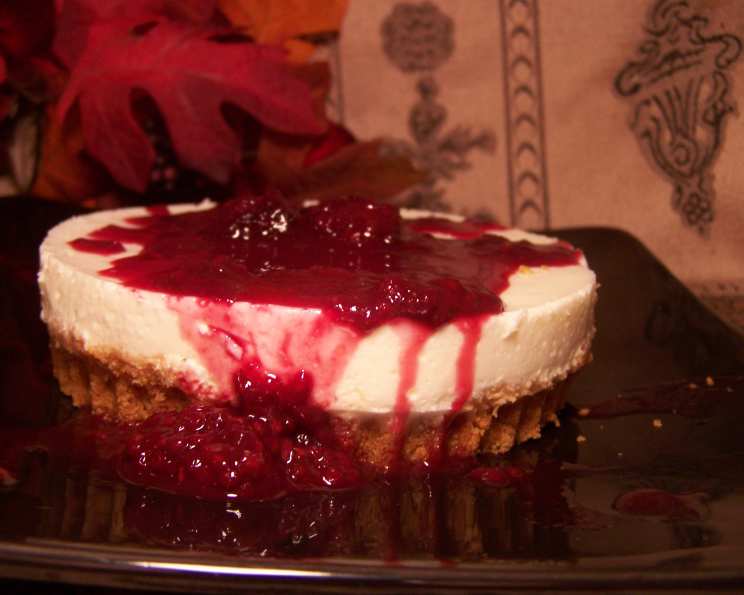
Japanese Rare Cheesecake (No Bake): A Dreamy Dessert
I still remember the first time I tasted Japanese Rare Cheesecake. It was in a tiny Tokyo cafe, tucked away on a side street buzzing with the quiet energy of the city. The simplicity of the cake was striking – a pristine white canvas adorned with glistening strawberries. The first bite was pure bliss: a melt-in-your-mouth texture, a delicate tanginess, and a subtle sweetness that danced on my palate. From that moment on, I was determined to recreate this ethereal dessert at home, and after much experimentation, I’m thrilled to share my version with you.
Recipe Overview
- Prep Time: 20 minutes
- Cook Time: 0 minutes
- Total Time: 3 hours 20 minutes
- Servings: 6
- Yield: 1 (8-inch) Cheesecake
- Dietary Type: Not specified in original data
Ingredients
For the Crust:
- 1 cup crushed graham crackers
- 3 tablespoons butter, melted
- 1 tablespoon sugar
For the Filling:
- ¾ cup cream cheese, softened
- ¾ cup plus 2 tablespoons plain yogurt
- ⅓ cup sugar
- 2 tablespoons lemon juice
- 1 tablespoon gelatin powder
- ¼ cup water
Equipment Needed
- 8-inch round cake pan
- Mixing bowls
- Whisk
- Microwave
- Measuring cups and spoons
- Spatula
Instructions
-
Begin by preparing the gelatin. In a small cup, thoroughly mix the gelatin powder with the water. Set this aside to bloom while you prepare the crust. This process is crucial for ensuring the cheesecake sets properly.
-
Now, focus on the crust. In a medium-sized bowl, combine the crushed graham crackers, melted butter, and sugar. Ensure the mixture is evenly moistened; it should resemble wet sand.
-
Press the graham cracker mixture firmly and evenly into the bottom of the 8-inch round cake pan. Use the bottom of a measuring cup or your fingers to create a compact and level base. This provides a stable foundation for the delicate filling.
-
Next, prepare the cheesecake filling. In a large bowl, stir the softened cream cheese until it is completely smooth and creamy, free of any lumps. This step is essential for achieving a silky-smooth texture in the final product.
-
Heat the gelatin and water mixture in the microwave until the gelatin is completely dissolved and the mixture is clear and liquid. This usually takes just a few seconds. Be careful not to overheat it, as boiling can damage the gelatin’s setting properties.
-
Add the yogurt, sugar, lemon juice, and the melted gelatin mixture to the softened cream cheese. Mix everything together thoroughly until well combined and the mixture is smooth and homogenous. Taste and adjust the sugar or lemon juice to your preference.
-
Pour the cheesecake filling over the prepared graham cracker crust in the cake pan. Use a spatula to spread the filling evenly, ensuring a smooth and uniform surface.
-
Refrigerate the cake for a minimum of 3 hours, or until the cheesecake is completely set. This chilling time allows the gelatin to work its magic, firming up the filling to the perfect consistency.
-
Once set, carefully remove the cheesecake from the pan. You can run a thin knife around the edges of the cake pan to loosen it.
-
Serve the Japanese Rare Cheesecake chilled, adorned with your favorite fresh fruits, fruit sauce, or jam. The possibilities are endless!
Expert Tips & Tricks
- Softening the Cream Cheese: Ensure the cream cheese is properly softened before mixing. This will prevent lumps and ensure a smooth, even filling. Let it sit at room temperature for at least an hour, or microwave it in short bursts, checking frequently.
- Perfectly Dissolved Gelatin: Make sure the gelatin is completely dissolved to avoid any grainy texture in your cheesecake. If you see any undissolved granules, gently reheat the mixture until it’s smooth.
- Yogurt Choice: Full-fat plain yogurt will give you the richest and creamiest result, but you can use low-fat or Greek yogurt if you prefer. Keep in mind that Greek yogurt will result in a slightly tangier cheesecake.
- Crust Variations: For a richer crust, try adding a pinch of salt or a dash of cinnamon to the graham cracker mixture. You can also substitute digestive biscuits or shortbread cookies for the graham crackers.
- Toppings: Get creative with your toppings! Fresh berries, sliced mango, citrus segments, chocolate shavings, or a drizzle of fruit coulis are all excellent choices.
Serving & Storage Suggestions
Serve the Japanese Rare Cheesecake chilled. Its light and refreshing flavor makes it a perfect dessert for any occasion.
- Storage: Leftover cheesecake should be stored in an airtight container in the refrigerator. It will keep for up to 3 days.
- Freezing: While not ideal, you can freeze the cheesecake for up to 1 month. Wrap it tightly in plastic wrap and then in foil. Thaw it overnight in the refrigerator before serving. Note that freezing may slightly alter the texture.
- Room Temperature: Due to the dairy content, it is not recommended to leave the cheesecake at room temperature for more than 2 hours.
Nutritional Information
| Nutrient | Amount per Serving | % Daily Value |
|---|---|---|
| Calories | 289.4 kcal | N/A |
| Calories from Fat | N/A | 57% |
| Total Fat | 18.4 g | 28% |
| Saturated Fat | 11 g | 54% |
| Cholesterol | 51.8 mg | 17% |
| Sodium | 230.4 mg | 9% |
| Total Carbohydrate | 26.8 g | 8% |
| Dietary Fiber | 0.4 g | 1% |
| Sugars | 19.4 g | 77% |
| Protein | 5.5 g | 10% |
Note: Percent Daily Values are based on a 2,000 calorie diet.
Variations & Substitutions
- Gluten-Free Crust: Use gluten-free graham crackers or almond flour for the crust.
- Dairy-Free: While the original recipe relies heavily on dairy, you could experiment with substitutions. A vegan cream cheese alternative and plant-based yogurt could be used, but be mindful of their different consistencies and flavors.
- Flavor Infusions: Infuse the yogurt with citrus zest (lemon, lime, or orange) for a brighter, more aromatic cheesecake. You can also add a teaspoon of vanilla extract or almond extract to the filling.
- Seasonal Fruits: Adapt the toppings to the season. Berries in summer, stone fruits in late summer, and citrus fruits in winter all work beautifully.
FAQs (Frequently Asked Questions)
Q: Why is my cheesecake not setting?
A: The most common reason for a cheesecake not setting is that the gelatin wasn’t properly dissolved or enough gelatin was used. Ensure the gelatin is fully dissolved and measure accurately.
Q: Can I use a different type of crust?
A: Absolutely! Feel free to experiment with other types of cookies, such as Oreos (without the cream filling) or shortbread cookies.
Q: How do I prevent the crust from becoming soggy?
A: Make sure to press the crust firmly into the pan to create a compact base. You can also pre-bake the crust for a few minutes to help it crisp up.
Q: Can I reduce the amount of sugar?
A: You can reduce the sugar slightly, but keep in mind that sugar contributes to the texture and stability of the cheesecake. Reducing it too much may affect the final result.
Q: What can I do if my cheesecake has cracks on top?
A: While this is less common with no-bake cheesecakes, it can happen if the cheesecake dries out. To prevent this, cover the cheesecake loosely with plastic wrap while it’s chilling in the refrigerator.
Final Thoughts
This Japanese Rare Cheesecake is more than just a dessert; it’s an experience. Its light, airy texture and delicate flavor make it a delightful treat for any occasion. Don’t be intimidated by the simplicity of the recipe – it’s surprisingly easy to make, and the results are truly rewarding. I encourage you to try it out and share your creations with friends and family. Pair it with a cup of green tea or a chilled glass of sake for the ultimate Japanese-inspired dessert experience. Enjoy!