
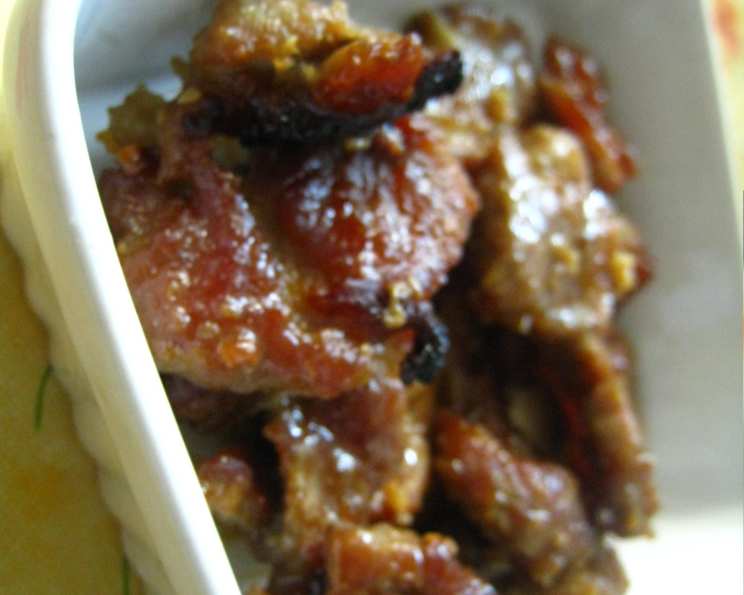
Japanese Style Pork BBQ – Pork Yakiniku
The sizzle of thinly sliced pork hitting the hot grill, the sweet and savory aroma of the miso marinade dancing in the air… these are the sensory memories that instantly transport me back to a tiny, bustling yakiniku restaurant I discovered tucked away in a Tokyo side street. The shared experience, the lively chatter, and the simple joy of grilling each piece of meat to perfection created an unforgettable culinary moment. It was more than just a meal; it was a celebration of flavor, friendship, and the art of Japanese grilling.
Recipe Overview
- Prep Time: 15 minutes + 6-8 hours marinating
- Cook Time: 2-4 minutes
- Total Time: 6 hours 17 minutes (including marinating)
- Servings: 2
- Dietary Type: None Specified
Ingredients
- ½ lb pork loin (about 230 grams) or ½ lb tenderloin (about 230 grams)
- 1 ½ tablespoons miso (red or white)
- 1 ½ tablespoons soy sauce
- 1 ½ tablespoons mirin
- 1 ½ tablespoons sugar
- 2 garlic cloves, minced
- 1 ½ tablespoons sesame oil
- 1 tablespoon rice vinegar
- 1 ½ tablespoons roasted and partially ground sesame seeds
- ¼ teaspoon dry mustard
- Pepper to taste
Equipment Needed
- Frying pan
- Mortar and pestle or coffee grinder
- Bowl
- Grill (indoor or outdoor)
Instructions
-
Begin by preparing the pork. Slice the pork loin or tenderloin into pieces approximately 2 ½ to 3 inches long, 1 ¼ to 1 ½ inches wide, and ¼ inch thick. The thinner the slices, the quicker they will cook on the grill.
-
Next, prepare the sesame seeds. Place a frying pan on medium heat. Add the sesame seeds to the dry pan. As the pan heats, the sesame seeds will begin to toast. When you hear 2-3 pops from the seeds, remove the pan from the heat immediately to prevent burning. Over-toasted sesame seeds can become bitter.
-
Once the sesame seeds have cooled slightly, partially grind them. You can use a mortar and pestle for a traditional method or a coffee grinder for a quicker solution. The aim is not to create a fine powder, but to partially break down the seeds to release their aromatic oils.
-
Now, prepare the marinade. In a bowl, combine the miso, soy sauce, mirin, sugar, minced garlic, sesame oil, rice vinegar, partially ground sesame seeds, dry mustard, and a pinch of pepper. Whisk all the ingredients together thoroughly until the sugar is dissolved and the mixture is well combined.
-
Add the sliced pork to the marinade. Ensure that all the slices are evenly coated. Cover the bowl and marinate the pork slices in the refrigerator for 6-8 hours, or even overnight. This allows the flavors to fully penetrate the meat, resulting in a more flavorful and tender yakiniku.
-
When you are ready to cook, remove the marinated pork slices from the refrigerator. Take each slice from the marinade allowing excess marinade to drip off – this will prevent excessive smoking on the grill.
-
Heat your grill to medium heat. This could be an indoor electric grill, a portable gas grill, or a charcoal grill.
-
Grill the pork slices quickly on the medium heat. Grill for about 1 to 1 ½ minutes per side, or to your liking. The thinness of the slices allows for rapid cooking. Watch carefully to prevent burning.
-
Serve immediately and enjoy!
Expert Tips & Tricks
- Marinating Time is Key: Don’t skimp on the marinating time. The longer the pork sits in the marinade, the more flavorful and tender it becomes. Overnight marinating is ideal.
- Thin Slices are Essential: The hallmark of yakiniku is the thinness of the meat. If you’re not comfortable slicing the pork yourself, ask your butcher to do it for you.
- Don’t Overcrowd the Grill: Grill the pork in small batches to ensure even cooking and prevent the grill from cooling down too much.
- Adjust Sweetness: If you prefer a less sweet marinade, reduce the amount of sugar slightly. You can also add a touch of honey for a different flavor profile.
- Spice it Up: For a spicy kick, add a pinch of red pepper flakes or a dash of gochujang (Korean chili paste) to the marinade.
Serving & Storage Suggestions
Serve your freshly grilled pork yakiniku immediately while it’s hot and juicy. It’s delicious on its own or served with a side of steamed rice, kimchi, and a variety of dipping sauces. Consider serving it with lettuce leaves to wrap the pork in for a refreshing bite.
Leftover cooked pork yakiniku can be stored in an airtight container in the refrigerator for up to 3 days. Reheat gently in a frying pan or microwave. Be careful not to overcook it during reheating, as it can become dry. It is not recommended to leave the cooked pork at room temperature for more than 2 hours. While freezing is possible, the texture of the pork may change slightly upon thawing.
Nutritional Information
| Nutrient | Amount per Serving | % Daily Value |
|---|---|---|
| Calories | 449.3 kcal | N/A |
| Calories from Fat | 272 g | 61% |
| Total Fat | 30.3 g | 46% |
| Saturated Fat | 7.6 g | 37% |
| Cholesterol | 68 mg | 22% |
| Sodium | 1333.4 mg | 55% |
| Total Carbohydrate | 16.9 g | 5% |
| Dietary Fiber | 1.7 g | 6% |
| Sugars | 10.7 g | 42% |
| Protein | 27 g | 53% |
Note: Nutritional information is an estimate and may vary based on specific ingredients and preparation methods.
Variations & Substitutions
- Chicken Yakiniku: Substitute the pork with thinly sliced chicken thighs or breasts for a lighter option.
- Beef Yakiniku: Use thinly sliced ribeye or sirloin steak for a classic beef yakiniku experience.
- Vegetarian Yakiniku: Use marinated tofu or tempeh for a vegetarian twist. Slice the tofu or tempeh thinly and marinate as directed.
- Gluten-Free: Ensure the soy sauce you use is tamari, which is gluten-free.
- Mirin Substitute: If you cannot find mirin easily, substitute sake or sherry with a bit of honey (about ½ teaspoon per tablespoon of sake/sherry).
- Vegetable Accompaniments: Grill some sliced onions, bell peppers, or mushrooms alongside the pork for a more balanced meal.
FAQs (Frequently Asked Questions)
Q: Can I use a different type of miso?
A: Yes, you can use either red or white miso for this recipe. Red miso has a stronger, more intense flavor, while white miso is milder and slightly sweeter. Choose the one that best suits your preference.
Q: How long can I marinate the pork?
A: It’s best to marinate the pork for at least 6 hours, but you can marinate it overnight in the refrigerator for even better flavor. Avoid marinating for more than 24 hours, as the meat can become too soft.
Q: Can I use a charcoal grill?
A: Absolutely! A charcoal grill will impart a smoky flavor to the pork. Just be sure to monitor the heat carefully to prevent burning.
Q: What if I don’t have sesame oil?
A: Sesame oil adds a distinct flavor to the marinade, but you can substitute it with another neutral oil like vegetable or canola oil if necessary. The flavor will be slightly different, but still delicious.
Q: Can I make this ahead of time?
A: Yes, you can prepare the marinade and slice the pork ahead of time. Store the marinated pork in the refrigerator until you are ready to grill it.
Final Thoughts
This Pork Yakiniku recipe is your passport to an authentic Japanese grilling experience right in your own kitchen. The delightful combination of savory, sweet, and umami flavors, coupled with the fun, interactive nature of grilling, makes it a dish that’s perfect for sharing with friends and family. So, gather your loved ones, fire up the grill, and prepare to be transported to the bustling streets of Tokyo, one perfectly grilled slice of pork at a time. Don’t be afraid to experiment with the variations and substitutions to create your own unique version of this classic dish. Share your feedback and creations – happy grilling!