
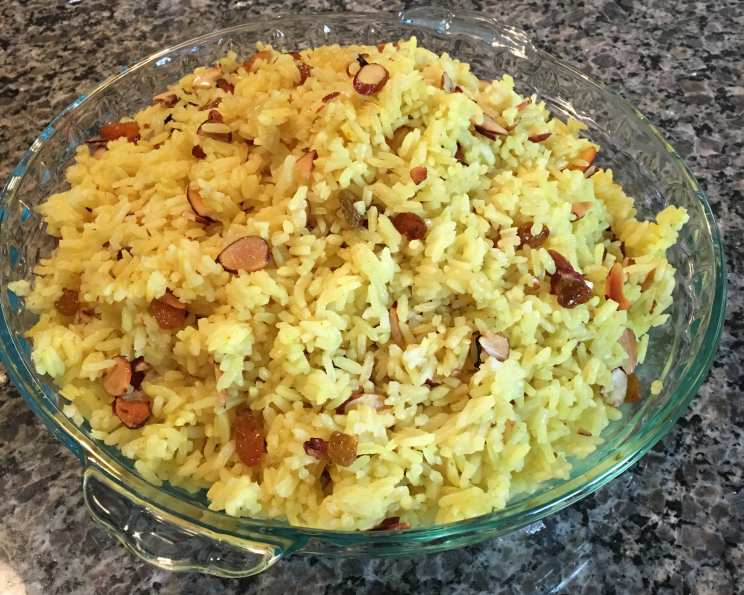
The Subtle Art of Perfectly Cooked Jasmine Rice
Jasmine rice. Just the name evokes memories of bustling night markets in Thailand, the fragrant steam rising from street-side stalls piled high with curries and stir-fries. I remember one sweltering evening in particular, the air thick with the scent of lemongrass and chili, sitting on a tiny plastic stool, savoring a simple green curry ladled over a bed of perfectly cooked jasmine rice. Each grain was separate, fluffy, and imbued with a delicate floral aroma that elevated the entire experience. That simple meal was a revelation, and it ignited my lifelong quest to master the art of cooking this exquisite grain.
Recipe Overview
- Prep Time: 2 minutes
- Cook Time: 15 minutes
- Total Time: 17 minutes
- Servings: 4
- Yield: 3 cups
- Dietary Type: Gluten-Free
Ingredients
- 1 cup jasmine rice
- 1 1/2 cups water (or jasmine tea)
- 1 teaspoon salt
- 2 teaspoons butter
Equipment Needed
- Medium saucepan with a tight-fitting lid
- Fork
Instructions
-
In a medium saucepan, bring the water (or jasmine tea), salt, and butter to a rolling boil over medium-high heat. The butter adds a touch of richness and helps to prevent the rice from sticking.
-
Once boiling, gently stir in the jasmine rice with a fork. Use the fork to ensure the rice is evenly distributed in the water.
-
Bring the mixture back to a boil, then immediately reduce the heat to the lowest possible setting to achieve a simmer. It’s crucial to maintain a very gentle simmer throughout the cooking process.
-
Cover the saucepan with a tight-fitting lid. It’s essential that the lid creates a good seal to trap the steam, which is vital for even cooking.
-
Cook the rice, covered and undisturbed, for 15 minutes. This is the most critical step. Do not lift the lid to check on the rice, and do not stir it during this time. Opening the lid releases steam, which can lead to uneven cooking and gummy rice. Stirring can also disrupt the cooking process and result in a sticky texture. Trust the process!
-
After 15 minutes, remove the saucepan from the heat and let it stand, still covered, for another 5-10 minutes. This allows the rice to fully absorb any remaining moisture and complete the steaming process.
-
Finally, gently fluff the rice with a fork before serving. This separates the grains and prevents them from clumping together.
Expert Tips & Tricks
-
Rinsing the Rice: For extra fluffy rice, rinse the uncooked jasmine rice in a fine-mesh sieve under cold water until the water runs clear. This removes excess starch that can contribute to stickiness.
-
Using Jasmine Tea: Substituting water with brewed jasmine tea adds another layer of floral aroma and subtle flavor. Brew the tea slightly weaker than you would normally drink it, to avoid overpowering the rice.
-
The Importance of a Tight-Fitting Lid: A good lid is crucial! If your lid doesn’t fit tightly, the steam will escape, and the rice may not cook evenly. You can place a clean kitchen towel under the lid to create a tighter seal.
-
Don’t Peek!: I cannot stress this enough: resist the urge to lift the lid during cooking. Each peek releases valuable steam and prolongs the cooking time.
-
Resting Time is Key: The resting period after cooking is just as important as the cooking itself. It allows the rice to fully absorb the moisture and develop its signature fluffy texture.
-
Troubleshooting Gummy Rice: If you accidentally lift the lid or stir the rice during cooking and it turns out gummy, don’t despair! Spread the rice out on a baking sheet and bake at a low temperature (around 200°F) for 10-15 minutes to dry it out slightly.
Serving & Storage Suggestions
Jasmine rice is incredibly versatile and pairs well with a wide range of dishes. Serve it alongside your favorite Asian-inspired meals, such as Thai curries, stir-fries, or Vietnamese pho. It’s also a delicious accompaniment to grilled meats, roasted vegetables, or even as a simple side dish with a drizzle of soy sauce.
Leftover cooked jasmine rice can be stored in an airtight container in the refrigerator for up to 4 days. To reheat, add a tablespoon of water or broth to the rice and microwave it on medium power for 1-2 minutes, or until heated through. You can also reheat it in a saucepan over low heat, adding a little liquid to prevent it from drying out.
For longer storage, cooked jasmine rice can be frozen for up to 2 months. Spread the rice out on a baking sheet and freeze it until solid, then transfer it to a freezer bag or container. To reheat, thaw the rice in the refrigerator overnight and then reheat as described above.
Nutritional Information
| Nutrient | Amount per Serving | % Daily Value |
|---|---|---|
| Calories | 187.9 kcal | N/A |
| Calories from Fat | N/A | N/A |
| Total Fat | 2.1 g | 3% |
| Saturated Fat | 1.2 g | 6% |
| Cholesterol | 5 mg | 1% |
| Sodium | 604 mg | 25% |
| Total Carbohydrate | 37.8 g | 12% |
| Dietary Fiber | 1.3 g | 5% |
| Sugars | 0 g | 0% |
| Protein | 3.2 g | 6% |
Note: Nutritional information is an estimate and may vary based on specific ingredients and preparation methods.
Variations & Substitutions
-
Coconut Jasmine Rice: Substitute half of the water with coconut milk for a richer, more fragrant rice.
-
Herb-Infused Jasmine Rice: Add a sprig of fresh herbs, such as lemongrass, pandan leaves, or kaffir lime leaves, to the cooking water for a subtle aromatic infusion.
-
Garlic Jasmine Rice: Sauté minced garlic in butter or oil before adding the rice and water for a savory twist.
-
Spicy Jasmine Rice: Add a pinch of red pepper flakes or a small chili pepper to the cooking water for a hint of spice.
-
Brown Jasmine Rice: While the cooking time will be different, you can follow a similar method for brown jasmine rice, adjusting the water ratio and cooking time as needed. Brown rice requires more liquid and a longer cooking time than white rice.
FAQs (Frequently Asked Questions)
Q: Why is my jasmine rice always sticky?
A: The most common cause of sticky rice is excess starch. Rinsing the rice before cooking can help remove this starch. Also, avoid stirring the rice during cooking, as this releases more starch.
Q: Can I use a rice cooker instead of a saucepan?
A: Yes, you can absolutely use a rice cooker. Follow the manufacturer’s instructions for cooking jasmine rice. The water ratio may need to be adjusted slightly.
Q: What’s the best way to reheat leftover jasmine rice?
A: The best way to reheat jasmine rice is to add a tablespoon of water or broth and microwave it on medium power for 1-2 minutes, or until heated through. This helps to prevent the rice from drying out.
Q: Can I add other seasonings to the rice?
A: Absolutely! Feel free to experiment with different seasonings, such as garlic powder, onion powder, or your favorite spice blend.
Q: My rice is still hard after 15 minutes. What should I do?
A: If the rice is still hard after 15 minutes, add a little more water (about 1/4 cup) and continue cooking for another 5-10 minutes, or until the water is absorbed and the rice is tender.
Final Thoughts
Cooking perfect jasmine rice is a simple skill that can elevate your entire culinary experience. The subtle floral aroma, the fluffy texture, and the versatility of this grain make it a staple in kitchens around the world. Don’t be intimidated by the seemingly precise instructions – with a little practice, you’ll be able to consistently produce perfectly cooked jasmine rice that will impress your family and friends. So, grab a bag of jasmine rice, follow these simple steps, and embark on your own culinary journey. I encourage you to experiment with different variations and seasonings to create your signature jasmine rice dish. And please, share your experiences and feedback – I’m always eager to learn from fellow food enthusiasts! Pair your perfectly cooked jasmine rice with a fragrant Thai green curry, a spicy Sichuan stir-fry, or a simple grilled salmon for a truly memorable meal.