
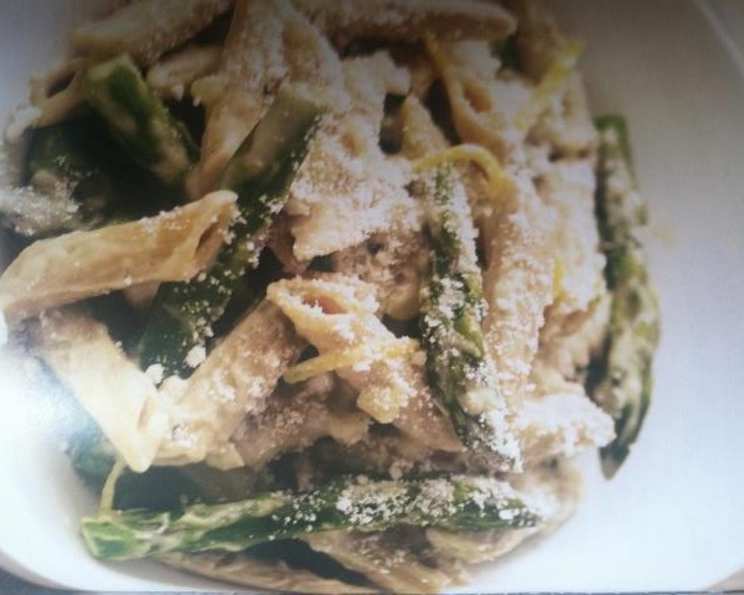
Jaw Droppingly Delicious Asparagus Penne (Rachael Ray)
The first time I made asparagus penne, it was a weeknight miracle. I had promised myself a healthier eating kick, and staring at a fridge full of sad leftovers just wasn’t going to cut it. Then, I remembered this recipe—a vibrant green explosion on a plate. The aroma of garlic sautéing in butter, the earthy notes of asparagus mingling with the lemon zest… it transformed a mundane evening into a mini-celebration. From then on, it became a regular in my rotation – a dish that feels both virtuous and indulgent.
Recipe Overview
- Prep Time: 15 minutes
- Cook Time: 15 minutes
- Total Time: 30 minutes
- Servings: 4
- Dietary Type: Vegetarian
Ingredients
- 1 lb thin asparagus, trimmed of ends
- 1 lb whole wheat penne
- 1 teaspoon extra virgin olive oil
- 1 tablespoon butter
- 2 large garlic cloves, minced
- 2 tablespoons all-purpose flour
- 3⁄4 cup vegetable stock
- 3⁄4 cup half-and-half
- 2 tablespoons Dijon mustard
- 2 teaspoons grated lemon zest
- Salt, to taste
- Black pepper, to taste
- 2 tablespoons fresh tarragon, finely chopped (about a couple of sprigs)
- Juice of 1 lemon
- Grated Parmigiano-Reggiano cheese, for serving
Equipment Needed
- Large pot
- Skillet
- Whisk
- Colander
Instructions
- Bring a large pot of water to a boil. Generously salt the water.
- Add the asparagus to the boiling water for 2 minutes. This quick blanching helps to brighten the color and slightly soften the vegetable.
- Remove the asparagus from the pot using a slotted spoon or spider, drain well, and immediately plunge into an ice bath to stop the cooking process. This keeps the asparagus vibrant green. Once cooled, chop the asparagus into 2-inch pieces.
- Add the penne pasta to the same pot of boiling water and cook according to package directions until al dente – firm to the bite. Reserve about 1 cup of the pasta water before draining the pasta.
- While the pasta is cooking, prepare the sauce. Place a skillet over medium heat.
- Add 1 teaspoon of extra virgin olive oil and 1 tablespoon of butter to the skillet. Allow the butter to melt completely into the oil.
- Once the butter is melted, add the minced garlic to the skillet. Gently cook the garlic for 2 to 3 minutes, stirring frequently, until it becomes fragrant and lightly golden. Be careful not to burn the garlic, as it will become bitter.
- Sprinkle 2 tablespoons of all-purpose flour into the pan over the garlic and butter mixture. Cook the flour for 1 minute, stirring constantly to form a roux. This will help to thicken the sauce.
- Whisk in 3⁄4 cup of vegetable stock, 3⁄4 cup of half-and-half, 2 tablespoons of Dijon mustard, and 2 teaspoons of grated lemon zest. Make sure to whisk constantly to prevent any lumps from forming in the sauce.
- Season the sauce with salt and black pepper to taste. Add 2 tablespoons of finely chopped fresh tarragon.
- Cook the sauce for 2 to 3 minutes, stirring occasionally, until it thickens slightly. If the sauce becomes too thick, add a little of the reserved pasta water to thin it out.
- Add the juice of 1 lemon to the sauce. This brightens the flavor and adds a refreshing tang.
- Gently toss the cooked asparagus and al dente penne pasta with the sauce to coat evenly.
- Turn off the heat and adjust the salt and pepper to taste, if needed.
- Serve immediately, topped with freshly grated Parmigiano-Reggiano cheese.
Expert Tips & Tricks
- Blanching the Asparagus: Don’t skip the blanching step. It’s crucial for maintaining that vibrant green color and preventing the asparagus from becoming mushy. An ice bath is key.
- Roux Perfection: When making the roux (butter and flour mixture), make sure to cook it for the full minute. This helps eliminate the raw flour taste.
- Sauce Consistency: If your sauce is too thick, add a splash of the reserved pasta water. The starch in the water will help bind the sauce and create a silky texture.
- Lemon Zest: Use a microplane to zest the lemon. This ensures you get the flavorful zest without the bitter white pith.
- Don’t Overcook the Pasta: Al dente pasta holds its shape and texture better when tossed with the sauce. Overcooked pasta can become mushy.
Serving & Storage Suggestions
Serve the Asparagus Penne immediately after preparation for the best flavor and texture. Garnish with extra fresh tarragon and a generous grating of Parmigiano-Reggiano cheese. A side of crusty bread is perfect for soaking up the delicious sauce.
Leftovers can be stored in an airtight container in the refrigerator for up to 3 days. Reheat gently in a skillet over low heat, adding a splash of milk or stock if the sauce has thickened too much. While freezing is not recommended (the pasta and sauce texture can change), refrigeration works well for short-term storage.
Nutritional Information
| Nutrient | Amount per Serving | % Daily Value |
|---|---|---|
| Calories | 547.6 kcal | N/A |
| Calories from Fat | 104 g | 19% |
| Total Fat | 11.6 g | 17% |
| Saturated Fat | 5.7 g | 28% |
| Cholesterol | 24.4 mg | 8% |
| Sodium | 156.2 mg | 6% |
| Total Carbohydrate | 98.2 g | 32% |
| Dietary Fiber | 12.4 g | 49% |
| Sugars | 2 g | 7% |
| Protein | 22.2 g | 44% |
Note: Nutritional information is an estimate and may vary based on specific ingredients and portion sizes.
Variations & Substitutions
- Gluten-Free: Use gluten-free penne pasta instead of whole wheat.
- Dairy-Free: Substitute the half-and-half with a plant-based cream alternative like oat milk or cashew cream. Use olive oil instead of butter. Nutritional yeast can replace the Parmigiano-Reggiano cheese for a cheesy flavor.
- Vegan: Implement both the gluten-free and dairy-free options from above.
- Protein Boost: Add grilled chicken, shrimp, or chickpeas to the pasta for extra protein.
- Seasonal Veggies: Swap the asparagus with other seasonal vegetables like peas, zucchini, or bell peppers.
- Spicy Kick: Add a pinch of red pepper flakes to the sauce for a touch of heat.
- Herb Variations: Experiment with different fresh herbs like basil, parsley, or chives instead of tarragon.
FAQs (Frequently Asked Questions)
Q: Can I use frozen asparagus instead of fresh?
A: Yes, you can use frozen asparagus. Thaw it completely and pat it dry before blanching. Keep in mind that frozen asparagus may be a bit softer than fresh, so reduce the blanching time slightly.
Q: Can I make this dish ahead of time?
A: While best served fresh, you can prepare the sauce ahead of time and store it in the refrigerator for up to 2 days. Cook the pasta and asparagus just before serving and then toss everything together.
Q: What if I don’t have half-and-half?
A: You can use a combination of milk and heavy cream, or just use milk for a lighter sauce.
Q: Can I use a different type of pasta?
A: Absolutely! Penne works well, but other short pasta shapes like fusilli, rotini, or farfalle would also be delicious.
Q: How do I prevent the sauce from separating?
A: Avoid overheating the sauce and whisk it frequently. If it starts to separate, whisk in a small amount of cold water or vegetable stock to bring it back together.
Final Thoughts
This Asparagus Penne recipe is a testament to how simple ingredients, when combined thoughtfully, can create a truly memorable meal. It’s a dish that’s both comforting and elegant, perfect for a weeknight dinner or a special occasion. Don’t be afraid to experiment with the variations and substitutions to make it your own. And, most importantly, share it with someone you love. Buon appetito!