
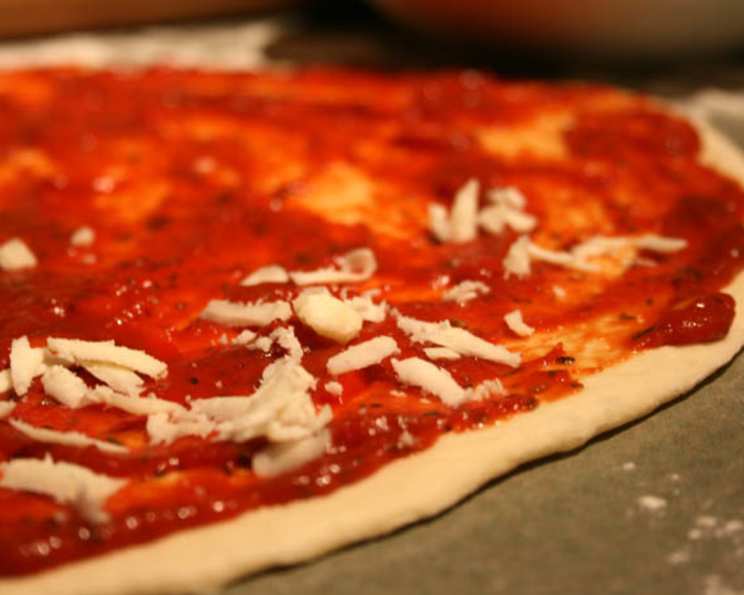
Jenny Gentile’s Pizza Dough: A Legacy of Flavor
The scent of baking pizza still carries me back to childhood summers spent at my grandmother’s house. She wasn’t Italian, but she had adopted Jenny Gentile’s pizza dough recipe as her own, swearing it was the secret to the best homemade pizza. The crispy, slightly chewy crust, the aroma filling the kitchen – it was pure magic. Every time I recreate this dough, I feel like I’m honoring not just Jenny Gentile, but my own grandmother’s memory and the countless happy meals we shared.
Recipe Overview
- Prep Time: 30 minutes
- Cook Time: Varies based on pizza toppings
- Total Time: 2 hours 30 minutes (including rise time)
- Yields: 1 crust (12 inch thick or 14 inch thin)
- Serves: 6-10
- Dietary Type: Vegetarian
Ingredients
- 1 (1/4 ounce) package yeast
- 4 tablespoons water (not hot)
- 12 tablespoons water, cold
- 1 tablespoon olive oil
- 1 teaspoon salt
- 1 tablespoon honey
- 3 cups flour
Equipment Needed
- Measuring cups and spoons
- Mixing bowls or a food processor
- Pizza pan or baking sheet
Instructions
- Begin by activating the yeast. In a cup, dissolve one package (1/4 ounce) of yeast in 4 tablespoons of warm water (ensure the water is not hot, as this can kill the yeast).
- Allow the yeast mixture to proof (sit undisturbed) for 10 minutes. You’ll know it’s ready when it becomes foamy. This step ensures the yeast is active and will leaven the dough properly.
- In a separate cup or bowl, combine the wet ingredients. Mix together 12 tablespoons of cold water, 1 tablespoon of olive oil, 1 teaspoon of salt, and 1 tablespoon of honey. The cold water helps to control the temperature of the dough and develop flavor slowly.
- In a large mixing bowl or the bowl of a food processor, place the 3 cups of flour.
- Add the wet ingredients to the flour. Pour in the cold water mixture first, followed by the proofed yeast mixture.
- Mix the ingredients until a dough forms. If using a food processor, pulse until the dough comes together. If mixing by hand, knead the dough on a lightly floured surface for 5-7 minutes until it becomes smooth and elastic. This develops the gluten, which gives the pizza crust its structure and chewiness.
- Allow the dough to rise. Place the dough in a lightly oiled bowl, turning to coat. Cover the bowl with plastic wrap or a clean kitchen towel.
- Let the dough rise in a warm place for at least 2 hours. For a richer flavor, you can refrigerate the dough overnight. If refrigerating, allow the dough to come to room temperature for about an hour before using. The longer the dough rises, the more flavorful and airy the crust will be.
- Preheat your oven to the desired temperature. The baking temperature depends on the thickness of your crust. Thicker crusts benefit from a lower temperature (425°F) to ensure they bake through, while thinner crusts can handle a higher temperature (450-500°F) for a crisper finish.
- Once the dough has risen, punch it down gently to release any trapped air.
- On a lightly floured surface, roll or stretch the dough to your desired size and shape. For a 12-inch thick crust or a 14-inch thin crust, this recipe is perfect.
- Transfer the dough to a pizza pan or baking sheet. If you’re using a pizza stone, sprinkle it with cornmeal to prevent sticking.
- Add your favorite toppings. Get creative with your sauce, cheese, vegetables, and meats.
- Bake the pizza until the crust is golden brown and the cheese is melted and bubbly. The baking time will vary depending on your oven and the thickness of the crust, but it typically takes 12-18 minutes. Keep a close eye on it to prevent burning.
Expert Tips & Tricks
- For a crispier crust, preheat your pizza stone in the oven for at least 30 minutes before baking.
- If you don’t have time to let the dough rise for 2 hours, you can use a quick-rise yeast. However, the flavor won’t be as developed.
- To prevent the crust from becoming soggy, brush it lightly with olive oil before adding the sauce.
- Don’t overload the pizza with toppings, as this can make the crust soggy and difficult to bake evenly.
- For a deeper flavor, experiment with different types of flour, such as whole wheat or semolina.
- If the dough is too sticky to handle, add a little more flour, one tablespoon at a time, until it becomes manageable.
- Freeze leftover pizza dough for up to 3 months. Thaw it in the refrigerator overnight before using.
Serving & Storage Suggestions
Serve your freshly baked pizza immediately while it’s hot and the cheese is melted and bubbly. Cut into slices and enjoy! Leftover pizza can be stored in an airtight container in the refrigerator for up to 3 days. To reheat, you can use a microwave, oven, or skillet. For a crispier crust, reheat it in a preheated oven at 350°F for about 10 minutes.
Nutritional Information
(Estimates based on 1/8 of the recipe, without toppings. Actual values will vary.)
| Nutrient | Amount per Serving | % Daily Value |
|---|---|---|
| Calories | 262 kcal | 13% |
| Total Fat | 3g | 4% |
| Saturated Fat | 0.4g | 2% |
| Cholesterol | 0mg | 0% |
| Sodium | 391mg | 16% |
| Total Carbohydrate | 51g | 17% |
| Dietary Fiber | 2g | 8% |
| Sugars | 3g | 12% |
| Protein | 7g | 13% |
Variations & Substitutions
- Gluten-Free: Use a gluten-free flour blend instead of all-purpose flour. You may need to add a binding agent like xanthan gum to help with the texture.
- Whole Wheat: Substitute up to half of the all-purpose flour with whole wheat flour for a nuttier flavor and added fiber.
- Herb-Infused: Add dried herbs like oregano, basil, or rosemary to the dough for extra flavor.
- Spicy: Add a pinch of red pepper flakes to the dough for a little heat.
- Dairy-Free: Use a dairy-free cheese alternative to make a completely dairy-free pizza.
FAQs (Frequently Asked Questions)
Q: Can I use active dry yeast instead of instant yeast?
A: Yes, you can. Dissolve the active dry yeast in the warm water and let it proof for 5-10 minutes before adding it to the other ingredients.
Q: Why is my dough so sticky?
A: Sticky dough can be caused by too much moisture or not enough gluten development. Try kneading the dough for a few more minutes or adding a little extra flour, one tablespoon at a time, until it becomes more manageable.
Q: Can I freeze the pizza dough?
A: Absolutely! Wrap the dough tightly in plastic wrap and then place it in a freezer bag. It can be stored in the freezer for up to 3 months. Thaw in the refrigerator overnight before using.
Q: How do I get a crispy crust?
A: Preheat your pizza stone or baking sheet, brush the crust with olive oil before adding toppings, and bake at a high temperature.
Q: What kind of flour should I use?
A: All-purpose flour works well for this recipe, but you can also use bread flour for a chewier crust.
Final Thoughts
Jenny Gentile’s pizza dough recipe is a simple yet versatile foundation for creating delicious homemade pizzas. I encourage you to try it out and experiment with different toppings and variations to make it your own. Don’t be afraid to get creative and have fun in the kitchen. And most importantly, share your pizza with loved ones and create memories that will last a lifetime, just like my grandmother did. Buon appetito!