
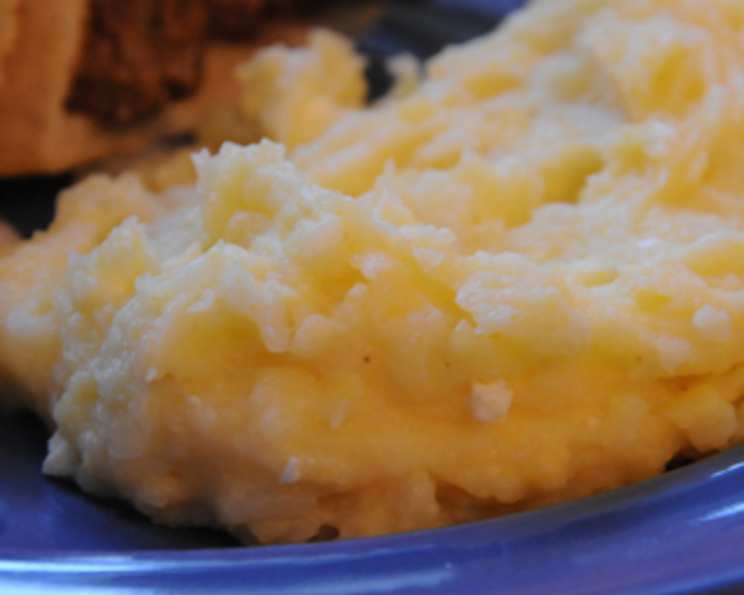
Kacamak With Potatoes and Cheese: A Taste of Bosnian Comfort
The first time I tasted kacamak, I was nestled in a small, family-run restaurant high in the Dinaric Alps of Bosnia and Herzegovina. The air was crisp, scented with pine, and the warmth of the restaurant radiated from a wood-burning stove. The dish arrived steaming, a rustic mound of creamy polenta studded with melting cheese. It was simple, honest food, the kind that warms you from the inside out, and I knew I needed to recreate it when I got home. It’s more than just a meal; it’s a taste of Bosnian hospitality and a reminder of the beauty of simple, wholesome ingredients.
Recipe Overview
- Prep Time: 10 minutes
- Cook Time: 10 minutes
- Total Time: 20 minutes
- Servings: 8-10
- Yield: 1 large bowl
- Dietary Type: Vegetarian
Ingredients
- 3 cups water
- 2 potatoes, peeled, cubed, and boiled (medium to large)
- Salt to taste
- 1 1/4 cups yellow cornmeal
- 1/2 cup feta cheese
- 1/4 cup oil
Equipment Needed
- Large pot
- Potato masher
- Stirring spoon
Instructions
- Begin by bringing the water to a rolling boil in a large pot.
- Add the cooked and cubed potatoes to the boiling water along with a pinch of salt. Continue to boil until the potatoes start to break apart and become somewhat disintegrated, about 3-5 minutes.
- Without draining any of the water, gently mash the potatoes using a potato masher or a large spoon. You don’t want a completely smooth puree, but rather a slightly chunky texture.
- Slowly add the yellow cornmeal to the pot, stirring constantly to prevent lumps from forming. Incorporate the cornmeal gradually, ensuring it’s evenly distributed throughout the mixture.
- Continue stirring the mixture over medium heat. The texture should resemble that of a thick cream of wheat. It’s crucial to monitor the consistency closely; you may not need to use all 1 1/4 cups of cornmeal. The goal is a smooth, porridge-like consistency that isn’t too dense.
- Cook the kacamak, stirring frequently, until it thickens and pulls away from the sides of the pot. This usually takes about 5-7 minutes.
- Once the kacamak is cooked through, remove the pot from the heat. Add the feta cheese and stir until it is mostly melted and incorporated into the mixture. Some small pieces of cheese remaining are perfectly acceptable and add to the rustic charm of the dish.
- Finally, drizzle the oil over the kacamak and stir it in gently. This adds richness and a subtle sheen to the dish.
Expert Tips & Tricks
- Preventing Lumps: The key to smooth kacamak is to add the cornmeal slowly while stirring constantly. If lumps do form, whisk vigorously to break them up.
- Adjusting Consistency: The amount of cornmeal needed can vary depending on the type of cornmeal and the moisture content of the potatoes. Adjust the amount of cornmeal accordingly to achieve the desired creamy texture.
- Cheese Variations: While feta cheese is traditional, feel free to experiment with other cheeses like farmer’s cheese, ricotta, or even a sharp cheddar for a bolder flavor.
- Flavor Infusion: For an extra layer of flavor, consider adding a clove of minced garlic or a sprig of rosemary to the boiling water. Remember to remove the rosemary before adding the cornmeal.
Serving & Storage Suggestions
Serve the kacamak hot, immediately after cooking. It’s traditionally served in a large bowl, allowing everyone to help themselves. It can be enjoyed as a main course, a side dish, or even a hearty breakfast. Garnish with a sprinkle of extra feta cheese or a drizzle of good-quality olive oil for a more elegant presentation.
Leftover kacamak can be stored in an airtight container in the refrigerator for up to 3 days. To reheat, add a splash of water or milk to the kacamak and gently heat it in a saucepan over low heat, stirring frequently until heated through. You can also reheat it in the microwave in short intervals, stirring in between to ensure even heating. While freezing is not recommended, if you must, be aware that the texture may change upon thawing.
Nutritional Information
| Nutrient | Amount per Serving | % Daily Value |
|---|---|---|
| Calories | 195 kcal | N/A |
| Calories from Fat | 85 g | 44% |
| Total Fat | 9.5 g | 14% |
| Saturated Fat | 2.4 g | 11% |
| Cholesterol | 8.3 mg | 2% |
| Sodium | 117.2 mg | 4% |
| Total Carbohydrate | 24.3 g | 8% |
| Dietary Fiber | 2.6 g | 10% |
| Sugars | 0.9 g | 3% |
| Protein | 4 g | 7% |
Note: Nutritional information is an estimate and may vary based on specific ingredients and portion sizes.
Variations & Substitutions
- Vegan Kacamak: To make this dish vegan, substitute the feta cheese with a plant-based alternative. You can also add a tablespoon of nutritional yeast for a cheesy flavor.
- Spicy Kacamak: Add a pinch of red pepper flakes or a dash of hot sauce to the kacamak for a spicy kick.
- Herbed Kacamak: Incorporate fresh herbs like parsley, chives, or dill into the kacamak for added flavor and aroma.
- Vegetable Additions: Sautéed vegetables like mushrooms, onions, or peppers can be added to the kacamak for a heartier meal.
FAQs (Frequently Asked Questions)
Q: Can I use instant polenta instead of cornmeal?
A: While you can use instant polenta, the texture will be slightly different. Traditional cornmeal provides a coarser, more rustic texture, while instant polenta will result in a smoother dish.
Q: How do I prevent the kacamak from sticking to the pot?
A: Use a heavy-bottomed pot and stir the kacamak frequently to prevent it from sticking. Adding a little extra oil to the pot can also help.
Q: Can I make this dish ahead of time?
A: While kacamak is best enjoyed fresh, you can prepare it a few hours in advance and keep it warm in a slow cooker or over low heat, stirring occasionally.
Q: What if my kacamak is too thick?
A: If your kacamak becomes too thick, simply add a little more water or milk to thin it out, stirring until it reaches the desired consistency.
Q: Can I use different types of potatoes?
A: Yes, you can use different types of potatoes, but starchy potatoes like russets or Yukon Golds work best as they break down easily and create a creamy texture.
Final Thoughts
I urge you to try this recipe for kacamak. It’s a simple yet satisfying dish that embodies the warmth and hospitality of Bosnian cuisine. Gather your ingredients, follow the steps, and let the aromas transport you to the heart of the Balkans. Don’t be afraid to experiment with variations and make it your own. Share your culinary creations and feedback – I’d love to hear how it turns out! Pair it with a glass of local red wine or a cup of strong Bosnian coffee for an authentic experience. Prijatno! (Enjoy your meal!)