
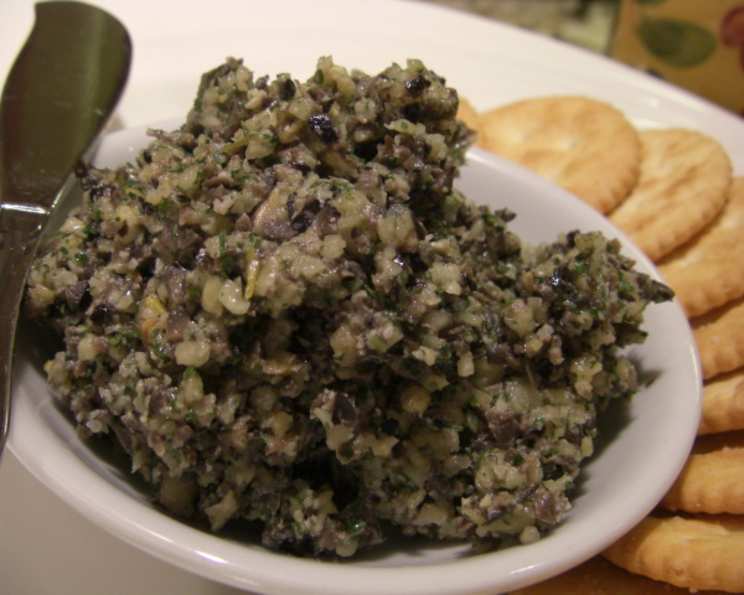
Kalamata Olive Tapenade: A Taste of the Mediterranean
The first time I tasted true tapenade, I was wandering through a sun-drenched market in Nice, France. The air was thick with the aroma of lavender and ripe tomatoes, but one stall in particular drew me in. An elderly woman with twinkling eyes was offering samples of a dark, intensely flavored spread. One bite of that salty, olive-rich tapenade on a crusty baguette, and I was transported. The flavors of the Mediterranean – sunshine, olives, garlic, and herbs – exploded in my mouth, leaving an unforgettable impression. Now, years later, I strive to recreate that magic in my own kitchen, and this recipe gets me pretty darn close.
Recipe Overview
- Prep Time: 5 minutes
- Cook Time: 0 minutes
- Total Time: 5 minutes
- Servings: 12
- Yield: About 2 cups
- Dietary Type: Vegan, Gluten-Free
Ingredients
- 1 cup pitted Kalamata olives
- 1 cup pine nuts
- 3 garlic cloves
- 1 – 2 cups fresh parsley
- 1 teaspoon fresh rosemary
- ¼ cup olive oil
- Fresh ground black pepper, to taste
- Optional: 1 cup pitted canned black olives (decreases saltiness)
Equipment Needed
- Food processor
Instructions
- Begin by adding the garlic cloves to your food processor. Blend until the garlic is finely minced. Scraping down the sides of the bowl ensures even mincing.
- Add the remaining ingredients, except the olive oil, to the food processor: the pitted Kalamata olives, pine nuts, fresh parsley, and fresh rosemary. Season generously with fresh ground black pepper.
- Blend the mixture until it is relatively smooth, but still retains some texture. While the blade is running, slowly drizzle in the olive oil in a steady stream. This helps to emulsify the tapenade and create a creamy consistency.
- Taste and adjust the ingredients to your personal liking. If the tapenade is too salty or intense for your palate, add more pine nuts, parsley, or pitted canned black olives. For a creamier tapenade, add a bit more olive oil. You can also experiment with other fresh herbs such as sage or basil to customize the flavor profile.
- Serve the tapenade at room temperature.
Expert Tips & Tricks
- Toasting the pine nuts: Toasting the pine nuts before adding them to the food processor will enhance their flavor and add a subtle nutty note to the tapenade. Simply spread the pine nuts on a baking sheet and toast them in a 350°F (175°C) oven for 5-7 minutes, or until lightly golden. Watch them carefully, as they can burn quickly.
- Adjusting the saltiness: Kalamata olives are naturally quite salty. If you’re sensitive to salt, rinsing the olives before adding them to the food processor can help to reduce the saltiness. Using a combination of Kalamata and canned black olives, as suggested in the optional ingredient, is another effective way to balance the flavor.
- Pulse vs. blend: For a chunkier tapenade, use the pulse function on your food processor instead of blending continuously. This will give you more control over the texture.
- Herb variations: Don’t be afraid to experiment with different herbs. Thyme, oregano, and marjoram all pair well with olives and garlic.
- Add a touch of heat: For a spicy kick, add a pinch of red pepper flakes to the food processor along with the other ingredients.
Serving & Storage Suggestions
Kalamata olive tapenade is incredibly versatile and can be enjoyed in a variety of ways.
- Serve as a spread: The classic way to enjoy tapenade is as a spread on warm focaccia or toasted slices of baguette. Spread it in a thin layer for maximum flavor without overwhelming the bread.
- Use as a condiment: Tapenade is a fantastic addition to sandwiches and wraps. Spread it on the inside of the bread before adding other fillings to add a burst of flavor. It’s particularly delicious on grilled cheese sandwiches (especially with cheddar) or fresh mozzarella and tomato sandwiches.
- Serve as a dip: Tapenade makes a flavorful dip for baby carrots, celery sticks, cucumber slices, pita bread, or any other dippable snack.
- Use as a sauce: Leftover tapenade can be used as a sauce for pasta. Toss it with cooked pasta, a drizzle of olive oil, and some grated Parmesan cheese for a simple and delicious meal.
- Add to roasted vegetables: Spread tapenade over roasted vegetables, such as eggplant, zucchini, or bell peppers, for an extra layer of flavor.
Storage: Store leftover tapenade in an airtight container in the refrigerator. It will keep for up to one week. You can also freeze tapenade for longer storage. Thaw it in the refrigerator overnight before using. Allow tapenade to come to room temperature before serving to allow the flavors to fully develop.
Nutritional Information
(Approximate values per serving)
| Nutrient | Amount per Serving | % Daily Value |
|---|---|---|
| Calories | 144 kcal | N/A |
| Calories from Fat | 131 kcal | N/A |
| Total Fat | 14.6 g | 22% |
| Saturated Fat | 1.5 g | 7% |
| Cholesterol | 0 mg | 0% |
| Sodium | 167.9 mg | 6% |
| Total Carbohydrate | 3.5 g | 1% |
| Dietary Fiber | 1.3 g | 5% |
| Sugars | 0.5 g | N/A |
| Protein | 1.9 g | 3% |
Variations & Substitutions
- Walnut Tapenade: Substitute walnuts for pine nuts for a more budget-friendly and earthy flavor.
- Lemon Tapenade: Add the zest of one lemon to the food processor for a bright and citrusy twist.
- Anchovy Tapenade: For a more traditional tapenade, add 2-3 anchovy fillets to the food processor. Be sure to adjust the salt to your preference.
- Sun-dried Tomato Tapenade: Incorporate ½ cup of oil-packed sun-dried tomatoes (drained) for a sweeter, more intense flavor. Reduce the amount of olive oil accordingly.
- Spicy Harissa Tapenade: Add a teaspoon of harissa paste for a touch of North African spice.
- Roasted Red Pepper Tapenade: Roast a red bell pepper until the skin is blackened. Peel, seed, and chop the pepper, then add it to the food processor along with the other ingredients. This adds a sweetness and smoky flavor.
FAQs (Frequently Asked Questions)
Q: Can I make this tapenade without a food processor?
A: While a food processor is the easiest way to make tapenade, you can also finely chop all of the ingredients by hand and then mix them together with the olive oil. The texture will be chunkier, but the flavor will still be delicious.
Q: How can I make this tapenade less salty?
A: Rinsing the Kalamata olives before using them, adding more pine nuts and parsley, or incorporating canned black olives can all help to reduce the saltiness of the tapenade.
Q: Can I use different types of olives?
A: Yes! While Kalamata olives are the traditional choice, you can experiment with other types of olives, such as Niçoise or Castelvetrano. Keep in mind that different olives will have different flavor profiles, so adjust the other ingredients accordingly.
Q: How long does homemade tapenade last?
A: Homemade tapenade will last for up to one week in the refrigerator, stored in an airtight container.
Q: Can I freeze tapenade?
A: Yes, you can freeze tapenade for longer storage. Thaw it in the refrigerator overnight before using. The texture may change slightly after freezing, but the flavor will still be good.
Final Thoughts
So there you have it – my take on a classic Kalamata olive tapenade! It’s a celebration of simple ingredients, transformed into something truly special. Whether you’re hosting a party, looking for a flavorful spread for your sandwich, or just craving a taste of the Mediterranean, I urge you to give this recipe a try. Don’t be afraid to experiment with different herbs and variations to create your own signature tapenade. And, most importantly, enjoy the process! I’d love to hear your feedback and any creative twists you come up with. Serve it alongside a crisp glass of white wine and some crusty bread, and prepare to be transported to the sunny shores of the Mediterranean.