
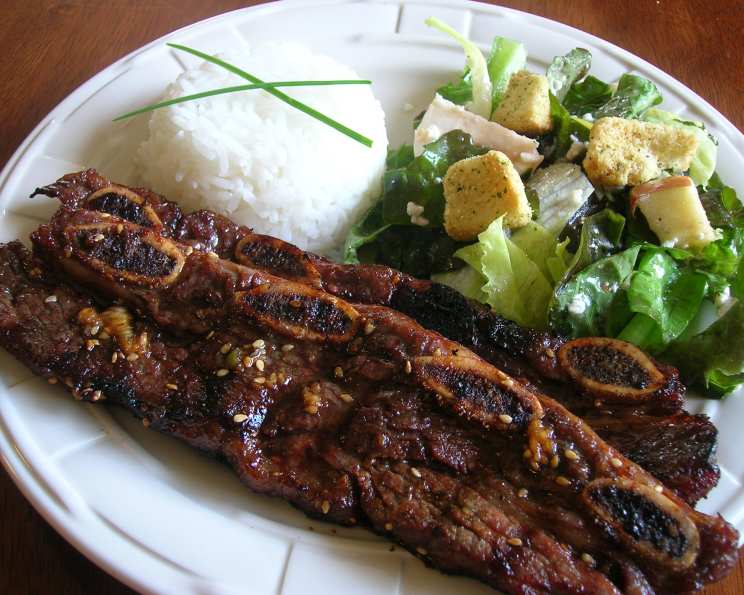
Kalbi: Korean BBQ Short Ribs
The sizzle of Kalbi hitting the grill, the sweet and savory aroma dancing in the air, takes me back to family picnics in the park. My grandmother, hands stained a deep mahogany from soy sauce, would meticulously lay out the marinated ribs, each piece a testament to her love. We’d gather around, the laughter and chatter as vibrant as the crackling flames, knowing that a feast of perfectly charred, tender Kalbi was just moments away. The memory alone is enough to make my mouth water.
Recipe Overview
- Prep Time: 15 minutes
- Cook Time: 10-15 minutes
- Total Time: 4 hours 15 minutes (including marinating)
- Servings: 4-6
- Yield: Varies depending on rib size
- Dietary Type: Not specified (can be made gluten-free with tamari)
Ingredients
- 2/3 cup soy sauce
- 3 tablespoons water
- 3 tablespoons honey
- 3 tablespoons sugar
- 1 tablespoon sesame seeds, roasted and ground
- 2 tablespoons sesame seed oil
- 2 cloves garlic, crushed
- 2 tablespoons green onions, chopped
- 4 lbs beef short ribs, cut flanken-style (about 1/4 inch thick)
Ingredient Notes:
- Soy Sauce: For a gluten-free option, use tamari.
- Honey: Maple syrup or agave nectar can be substituted, though the flavor will be slightly different.
- Beef Short Ribs: Ensure the ribs are cut thinly across the bone (flanken-style). This is essential for the proper cooking and texture of Kalbi. Ask your butcher to do this for you.
Equipment Needed
- Large bowl or zip-top bag
- Shallow dish or pan for marinating
- Grill or broiler
- Tongs
Instructions
- Prepare the Marinade: In a large bowl, whisk together the soy sauce, water, honey, and sugar until the sugar is completely dissolved. The honey can be a little stubborn, so keep whisking.
- Add Aromatics: Stir in the ground sesame seeds, sesame seed oil, crushed garlic, and chopped green onions to the marinade. The sesame seed oil adds a nutty fragrance crucial to Kalbi’s distinctive flavor.
- Marinate the Ribs: Dip each piece of beef short rib into the marinade, ensuring it is thoroughly coated. Layer the marinated ribs in a shallow dish or pan. Pour any remaining marinade over the top, making sure all the meat is submerged as much as possible.
- Refrigerate: Cover the dish or pan with plastic wrap or transfer the ribs to a large zip-top bag. Marinate in the refrigerator for at least 4 hours, or preferably overnight for maximum flavor. Longer marinating times (up to 24 hours) will result in more tender and flavorful ribs.
- Preheat Grill or Broiler: If grilling, preheat your grill to medium-high heat. If using a broiler, position the rack about 4-6 inches from the heating element and preheat the broiler.
- Grill or Broil the Ribs: Remove the ribs from the marinade, allowing any excess to drip off. Grill the ribs over medium-high heat for approximately 3-5 minutes per side, or until they are nicely charred and cooked through. If broiling, place the ribs on a baking sheet lined with foil and broil for 3-5 minutes per side, watching carefully to prevent burning. The sugar in the marinade can cause the ribs to burn quickly, so keep a close eye on them.
- Check for Doneness: The ribs are done when they are nicely browned and slightly caramelized, with an internal temperature of 145°F (63°C) for medium-rare, 160°F (71°C) for medium, or 170°F (77°C) for well-done. Be careful not to overcook, as the ribs can become tough.
- Rest (Optional): For optimal tenderness, let the grilled Kalbi rest for a few minutes before serving. This allows the juices to redistribute throughout the meat.
Expert Tips & Tricks
- Tenderizing: For extra tender Kalbi, consider adding a small amount of pureed Asian pear or kiwi to the marinade. These fruits contain enzymes that help break down the proteins in the meat. Don’t add too much, or the meat will become mushy.
- Even Cooking: Ensure the ribs are evenly distributed on the grill or baking sheet to promote even cooking. Avoid overcrowding, which can lower the temperature and steam the meat instead of searing it. Cook in batches if necessary.
- Char Control: Watch the ribs closely during grilling or broiling, as the sugar in the marinade can burn easily. If the ribs start to char too quickly, lower the heat or move them to a cooler part of the grill. You can also brush them with a little extra sesame oil to help prevent burning.
- Marinade Reuse: While tempting, it’s not recommended to reuse the marinade after it has been in contact with raw meat. However, you can reserve a small portion of the marinade before adding the ribs and use it as a dipping sauce or glaze. Bring it to a boil before serving to ensure it is safe to eat.
Serving & Storage Suggestions
Kalbi is best served immediately after grilling, while it’s still hot and juicy. Serve with steamed rice, kimchi, and various Korean side dishes (banchan) for a complete and authentic Korean BBQ experience. You can also serve it with lettuce wraps for a lighter meal.
Leftover Kalbi can be stored in an airtight container in the refrigerator for up to 3-4 days. To reheat, microwave on medium power, pan-fry, or grill gently until heated through. Reheating on the grill can help restore some of the original charred flavor. Freezing is not ideal as it can affect the texture of the meat, but if necessary, wrap the ribs tightly in plastic wrap and then foil, and freeze for up to 2 months. Thaw completely in the refrigerator before reheating.
Nutritional Information
| Nutrient | Amount per Serving | % Daily Value |
|---|---|---|
| Calories | 650 kcal | 33% |
| Total Fat | 45g | 69% |
| Saturated Fat | 20g | 100% |
| Cholesterol | 150mg | 50% |
| Sodium | 1200mg | 50% |
| Total Carbohydrate | 30g | 10% |
| Dietary Fiber | 2g | 8% |
| Sugars | 25g | N/A |
| Protein | 40g | 80% |
Note: Nutritional information is an estimate and may vary based on specific ingredients and portion sizes.
Variations & Substitutions
- Spicy Kalbi: Add a tablespoon or two of gochujang (Korean chili paste) to the marinade for a spicy kick.
- Fruitier Kalbi: Incorporate grated apple or pear into the marinade for a sweeter and more tender result.
- Kalbi Tang: Add a splash of lemon-lime soda (like Sprite) to the marinade for a unique tenderness and sweetness.
- Vegetarian “Kalbi”: Marinate thick slices of firm tofu or portobello mushrooms in the same marinade and grill or broil for a vegetarian alternative.
- Kalbi Bowls: Serve the cooked Kalbi over rice with a fried egg, pickled vegetables, and a drizzle of sriracha mayo for a quick and easy bowl meal.
FAQs (Frequently Asked Questions)
Q: Can I use a different cut of beef?
A: While flanken-style short ribs are traditional, you can use other cuts like chuck steak or even thinly sliced ribeye. Adjust cooking times accordingly, as thicker cuts will require longer cooking.
Q: How do I grind sesame seeds?
A: You can use a spice grinder, mortar and pestle, or even a clean coffee grinder to grind the sesame seeds. Grinding them releases their aroma and flavor.
Q: Can I marinate the ribs for longer than 24 hours?
A: While longer marinating times can enhance flavor, marinating for longer than 24 hours can make the meat too soft. Stick to the recommended marinating time for the best results.
Q: What is the best way to prevent the ribs from burning?
A: Watch the ribs closely, adjust the heat as needed, and consider using a marinade with less sugar or brushing the ribs with sesame oil during cooking.
Q: Can I make this recipe without honey?
A: Yes, you can substitute honey with maple syrup or agave nectar. The flavor will be slightly different, but the result will still be delicious.
Final Thoughts
Now that you’re armed with this recipe, I encourage you to try your hand at making Kalbi at home. The vibrant flavors and tender texture are sure to impress. Don’t be afraid to experiment with variations and personalize the recipe to your taste. Share your creations with friends and family, and let the deliciousness of Kalbi bring people together, just as it always has for my family. Enjoy!