
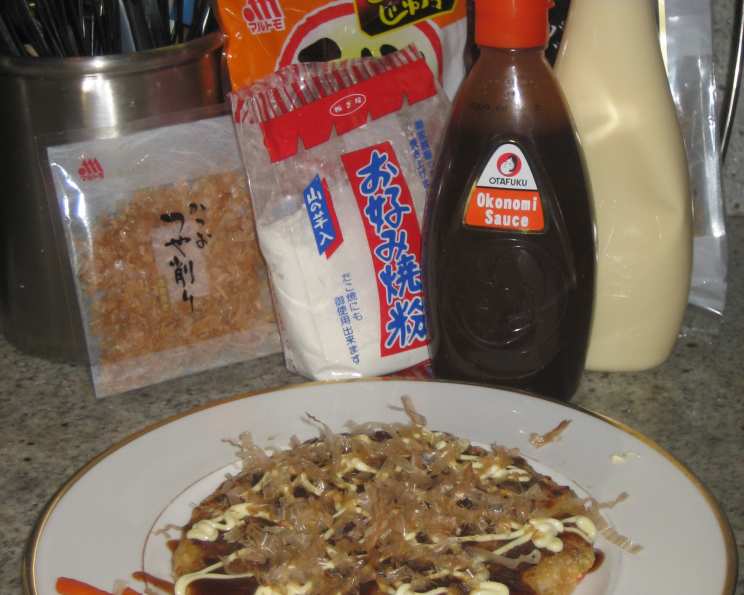
Kansai-Style Okonomiyaki: A Savory Pancake Adventure
My first encounter with Okonomiyaki was at a tiny, bustling street food stall in Osaka, Japan. The aroma of sizzling batter, sweet and savory sauces, and dancing bonito flakes filled the air. Watching the chef expertly flip the pancake, a symphony of fresh ingredients transforming into a golden-brown masterpiece, was truly captivating. That first bite—the perfect balance of textures and flavors—was a revelation, and I knew I had to recreate this magic back home.
Recipe Overview
- Prep Time: 20 minutes
- Cook Time: 20 minutes
- Total Time: 40 minutes
- Servings: 2
- Yield: 2 pancakes
- Dietary Type: Adaptable (see variations)
Ingredients
- 1 cup Okonomiyaki mix
- 2 eggs
- 1/3 cup water
- 2 cups cabbage, finely chopped
- 4 green onions, finely chopped
- 1 tablespoon pickled ginger, finely chopped
- ½ lb pork belly, cut in very thin strips
- Kewpie mayonnaise
- Okonomi sauce
- Bonito flakes
- Pam cooking spray or vegetable oil
- ½ cup Nagaimo, peeled and finely grated (optional)
- ½ cup Kimchee, finely chopped (optional)
- ½ cup Tenkasu (also called Agedama), fried tempura scraps (optional)
Ingredient Notes:
- Okonomiyaki mix: Essential for the authentic flavor. Look for it at Japanese grocery stores or online.
- Kewpie mayonnaise: Japanese mayonnaise, tangier and richer than American varieties. A must-have for Okonomiyaki!
- Okonomi sauce: A thicker, sweeter version of Worcestershire sauce. Available at Asian markets or online.
- Nagaimo: A Japanese yam. If unavailable, you can omit it. Do NOT substitute with American yams.
- Tenkasu: Crunchy bits of fried tempura batter. Adds great texture but can be skipped if unavailable.
- Pork belly: Other options include shrimp, chicken, bacon, or squid.
Equipment Needed
- Large bowl
- Whisk
- Large skillet or griddle
- Spatula
Instructions
- In a large bowl, beat together the eggs, nagaimo (if using), and water.
- Slowly beat in the okonomiyaki mix until it is well incorporated with the egg mixture. This is your okonomiyaki batter.
- Mix the cabbage, kimchee (if using), green onions, and pickled ginger into the okonomiyaki batter. Set aside.
- Heat a large skillet or griddle over medium heat and grease lightly with Pam cooking spray or vegetable oil.
- Fry the pork belly until it is just cooked (do not brown, it will be cooking more later) and set aside. You want it to be pliable but not crispy.
- Add the tenkasu (if using) to the okonomiyaki batter and gently stir to combine.
- Make a large pancake (or two smaller ones) in the skillet with the okonomiyaki batter – you will have to be turning this pancake over at some point, so don’t make it so big that you won’t be able to flip it comfortably. For easier flipping, making two smaller pancakes is recommended.
- Place the cooked pork belly on top of the pancake and push it down a bit (gently) into the batter. Distribute the pork evenly across the surface of the pancake.
- Let the pancake cook for about 10 minutes. Keep peeking at the bottom – you want it to brown but not to burn. Adjust the heat if it’s browning too quickly. Aim for a deep golden-brown color.
- Flip the pancake over and let it cook for another 5 minutes or so until it is browned. Again, monitor the heat to prevent burning. The pancake should be cooked through and slightly firm to the touch.
- Place the pancake on a plate and top with okonomi sauce, Kewpie mayonnaise, and bonito flakes – the heat from the pancake will make the bonito flakes “dance”!
Expert Tips & Tricks
- Pre-chop your vegetables: Save time by chopping the cabbage, green onions, kimchee, and pickled ginger in advance. A food processor can make this task even quicker.
- Don’t overmix the batter: Overmixing can result in a tough pancake. Mix until just combined.
- Control the heat: Keep the heat at medium to ensure even cooking and prevent burning.
- The “dance” of the Bonito flakes: The thin flakes react to the rising heat, making it appear like they are dancing.
- Get creative with toppings: Feel free to experiment with different toppings, such as shredded cheese, a fried egg, or different types of seafood.
Serving & Storage Suggestions
Serve your Okonomiyaki immediately while it’s hot and the bonito flakes are dancing. Garnish with extra green onions or a sprinkle of seaweed flakes for added flavor and visual appeal.
Leftover Okonomiyaki can be stored in an airtight container in the refrigerator for up to 2 days. To reheat, warm in a skillet over medium heat or in a microwave until heated through. The texture may change slightly upon reheating. It is not recommended to freeze Okonomiyaki, as the texture will suffer.
Nutritional Information
Estimated values per serving (without optional ingredients like nagaimo, kimchee, tenkasu):
| Nutrient | Amount per Serving | % Daily Value |
|---|---|---|
| Calories | 457 kcal | 23% |
| Total Fat | 32.85 g | 51% |
| Saturated Fat | 11.8 g | 59% |
| Cholesterol | 133.9 mg | 45% |
| Sodium | 63.6 mg | 3% |
| Total Carbohydrate | 27.15 g | 9% |
| Dietary Fiber | 2.1 g | 8% |
| Sugars | 1.65 g | N/A |
| Protein | 12.4 g | 25% |
Note: Nutritional information is an estimate and may vary based on specific ingredients and preparation methods.
Variations & Substitutions
- Vegetarian Okonomiyaki: Omit the pork belly and add more vegetables, such as mushrooms, bell peppers, or spinach.
- Gluten-Free Okonomiyaki: Use a gluten-free Okonomiyaki mix or a blend of rice flour and tapioca starch.
- Spicy Okonomiyaki: Add a dash of chili flakes or a dollop of sriracha to the batter.
- Seafood Okonomiyaki: Substitute the pork belly with shrimp, squid, or scallops.
- Vegan Okonomiyaki: Replace the eggs with a flax egg (1 tablespoon ground flaxseed mixed with 3 tablespoons of water), use a plant-based Okonomiyaki mix, and opt for vegan mayonnaise.
FAQs (Frequently Asked Questions)
Q: What if I can’t find Okonomiyaki mix?
A: While Okonomiyaki mix is ideal, you can try making your own using a blend of all-purpose flour, baking powder, dashi powder, and a touch of sugar. The flavor won’t be exactly the same, but it will still be delicious.
Q: Can I use regular mayonnaise instead of Kewpie?
A: While Kewpie mayonnaise is recommended for its unique flavor and tang, you can use regular mayonnaise in a pinch. Consider adding a squeeze of lemon juice or a dash of rice vinegar to mimic the tanginess of Kewpie.
Q: How do I know when the Okonomiyaki is cooked through?
A: The Okonomiyaki should be golden brown on both sides and slightly firm to the touch. You can also insert a toothpick into the center; it should come out clean.
Q: Can I prepare the batter in advance?
A: It’s best to make the batter fresh for the best texture. However, you can chop the vegetables in advance and store them in the refrigerator until ready to use.
Q: What are bonito flakes, and can I skip them?
A: Bonito flakes are dried, fermented, and smoked skipjack tuna shavings. They add a unique umami flavor and visual appeal to Okonomiyaki. While optional, they are highly recommended for an authentic experience.
Final Thoughts
Kansai-style Okonomiyaki is more than just a savory pancake; it’s a celebration of textures and flavors, a culinary adventure that brings the vibrant streets of Osaka to your kitchen. Don’t be intimidated by the unique ingredients—once you gather them, the process is surprisingly simple and incredibly rewarding. So, gather your ingredients, preheat your skillet, and prepare to be transported to Japan with every delicious bite! I encourage you to make this recipe your own by trying different toppings and variations. And don’t forget to share your creations and feedback – I’d love to hear about your Okonomiyaki journey! Serve with a cold Japanese beer or a glass of sake for a complete and authentic experience.