
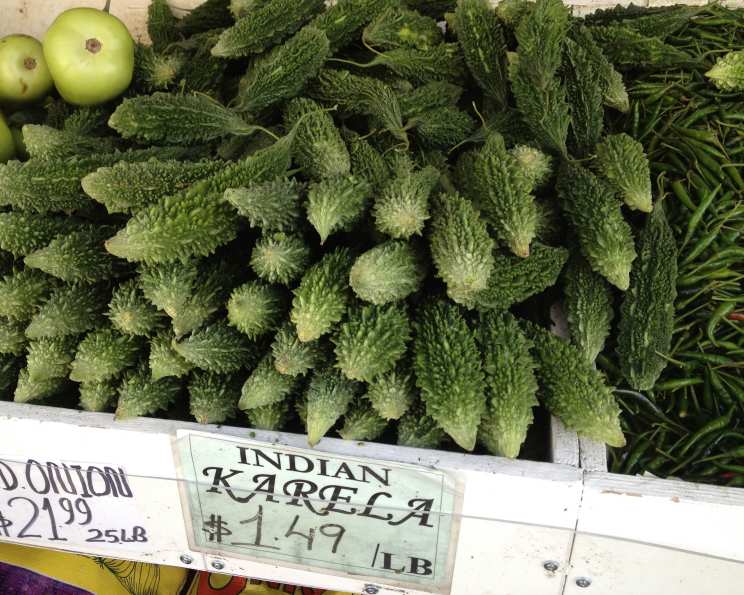
Karela Magic: A Culinary Journey with Bitter Melon
I remember the first time I encountered karela. My grandmother, a culinary wizard in her own right, grew them in her garden, their knobbly green forms hanging like curious ornaments. She’d spend hours preparing them, transforming their inherent bitterness into a surprisingly palatable and even addictive dish. The smell of sautéed onions, spices, and that distinctive karela aroma always filled her kitchen, a comforting promise of a meal that was both good for the soul and the body. This recipe, inspired by her patient teachings, is my attempt to capture that magic.
Recipe Overview: Karela Sabzi
- Prep Time: 20 minutes
- Cook Time: 30 minutes
- Total Time: 50 minutes
- Servings: 8
- Dietary Type: Vegetarian, Vegan (with suitable oil choice)
Ingredients
- 1 lb bitter melon (karela)
- 2 potatoes, peeled, cut in long strips and half cooked
- 2 chopped onions
- 2 chopped tomatoes
- 2 tablespoons oil (vegetable, canola, or mustard oil work well)
Seasonings:
- 1 teaspoon cumin seed
- ¼ teaspoon turmeric powder
- ¼ teaspoon red chili powder
- 1 ½ teaspoons coriander powder
- ½ teaspoon mango powder (amchur)
- ½ teaspoon black pepper
- 1 teaspoon salt (or to taste)
Equipment Needed
- Large skillet or wok
- Cutting board
- Knife
- Mixing bowl
Instructions
- Begin by preparing the bitter melon. Rinse the karela thoroughly under cold water.
- Trim both ends of the karela as needed. Then, using a vegetable peeler or knife, scrape off any blemishes or hard skin from the surface. Some prefer to leave a little of the skin for added texture and nutrients.
- Cut the karela into small, thin rounds, about ¼-inch thick.
- Now, it’s time to reduce the bitterness. Place the karela rounds in a bowl and sprinkle generously with salt. Gently massage the salt into the karela. Let this sit for at least 30 minutes, or even up to an hour. This process helps draw out the bitter compounds.
- After the resting period, squeeze the karela rounds to remove as much of the bitter water as possible. This step is crucial!
- Heat the oil in a large skillet or wok over medium-high heat.
- Add the karela rounds to the hot oil, arranging them almost in a single layer. Stir and cook until they turn a light brownish color. Be careful not to overcrowd the pan; cook in batches if necessary.
- Reduce the heat to medium if the karela starts to burn.
- Add the chopped onions and half-cooked potato strips to the skillet. Stir well to combine with the karela.
- Add all the seasonings: cumin seed, turmeric powder, red chili powder, coriander powder, mango powder, black pepper, and salt. Stir until the potatoes are fully cooked and tender.
- Add the chopped tomatoes.
- Reduce the heat to medium-low, cover the skillet halfway, and cook slowly, stirring occasionally as needed, until everything is thoroughly cooked and the flavors have melded together. This typically takes about 10-15 minutes.
- Taste and adjust the seasoning as needed. Add more salt, mango powder (for tanginess), or red chili powder (for heat) according to your preference.
Expert Tips & Tricks
- Reducing Bitterness: The salting and squeezing process is key to reducing the bitterness of the karela. Don’t skip it! Some people also soak the sliced karela in yogurt for a few hours before cooking.
- Potato Perfection: Parboiling the potatoes beforehand ensures that they cook evenly along with the karela. Overcooked, mushy potatoes are not desirable.
- Spice it Up (or Down): Feel free to adjust the amount of red chili powder to suit your heat preference. A pinch of garam masala at the end can also add a wonderful depth of flavor.
- Browning is Flavor: Don’t be afraid to let the karela brown a bit in the pan. This caramelization adds a depth of flavor that enhances the overall dish.
- Mustard Oil Magic: For a truly authentic flavor, use mustard oil. However, be sure to heat it until it smokes slightly before adding the other ingredients to mellow out its pungent flavor.
Serving & Storage Suggestions
Serve the Karela Sabzi hot or warm as a side dish with roti, paratha, or rice. It also makes a fantastic filling for sandwiches or pita bread. Leftovers can be stored in an airtight container in the refrigerator for up to 3 days. Reheat gently on the stovetop or in the microwave until warmed through. This dish is best enjoyed fresh, but it can be frozen for up to a month. Thaw completely before reheating.
Nutritional Information
| Nutrient | Amount per Serving | % Daily Value (approx.) |
|---|---|---|
| Calories | 120 kcal | 6% |
| Total Fat | 7g | 9% |
| Saturated Fat | 1g | 5% |
| Cholesterol | 0mg | 0% |
| Sodium | 300mg | 13% |
| Total Carbohydrate | 12g | 4% |
| Dietary Fiber | 3g | 12% |
| Sugars | 4g | |
| Protein | 2g | 4% |
Nutritional information is an estimate and may vary based on specific ingredients and portion sizes.
Variations & Substitutions
- Stuffed Karela (Bharwa Karela): Follow the variation instructions in the original recipe to create stuffed karela. This involves making a slit in the karela and filling it with a spiced mixture.
- Sweet and Sour Karela: Add a touch of jaggery or brown sugar along with some tamarind pulp to create a sweet and sour version.
- Karela with Lentils: Incorporate cooked moong dal or chana dal for added protein and texture.
- Regional Variations: Different regions of India have their own unique ways of preparing karela. Explore recipes from different states to discover new flavor combinations.
- Potato Substitute: Use other vegetables like diced eggplant or okra in place of potatoes.
FAQs (Frequently Asked Questions)
Q: How do I make karela less bitter?
A: The key is to salt the karela slices and let them sit for at least 30 minutes to draw out the bitter juices. Squeezing out the excess water before cooking is also crucial.
Q: Can I use frozen karela?
A: Yes, you can use frozen karela. However, it may release more water during cooking, so adjust the cooking time accordingly.
Q: What is mango powder (amchur) used for?
A: Mango powder adds a tangy, sour flavor that balances the bitterness of the karela and enhances the overall taste of the dish.
Q: Can I add garlic to this recipe?
A: Absolutely! Finely chopped garlic can be added along with the onions for extra flavor.
Q: How do I know when the karela is cooked properly?
A: The karela should be tender and slightly browned. Taste it to ensure that the bitterness has been reduced to your liking.
Final Thoughts
Don’t let the reputation of karela intimidate you. With a few simple techniques, you can transform this often-maligned vegetable into a delicious and nutritious dish. This recipe is a great starting point, but feel free to experiment with different spices and variations to create your own unique version. I encourage you to give it a try and share your culinary creations with friends and family! Enjoy!