
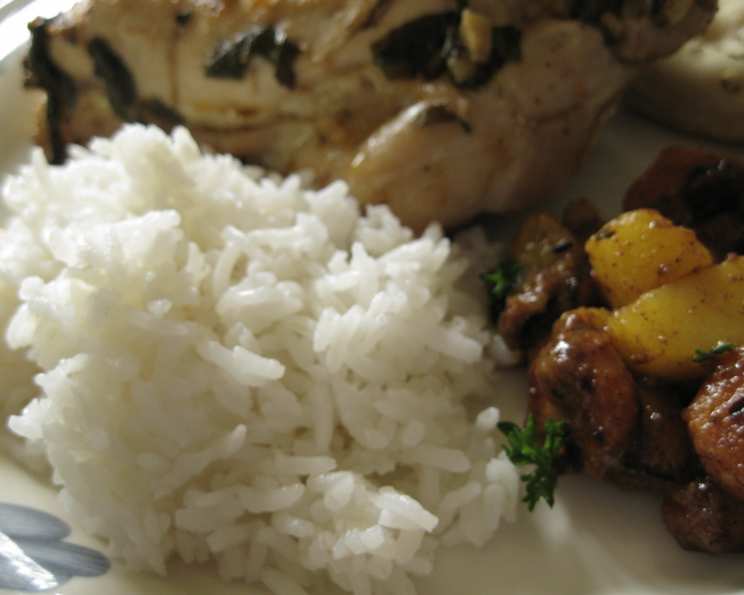
Kateh: Mastering the Art of Iranian Simple Rice
The scent of perfectly cooked rice is a memory woven deep into the fabric of my childhood. While elaborate Persian rice dishes like polo are undeniably impressive, it’s the humble kateh that truly warms my heart. I remember watching my grandmother in her sun-drenched kitchen, effortlessly preparing this simple dish. The rhythmic clinking of the spoon against the pot, the gentle simmer, and that earthy aroma – it was pure comfort in every grain. Kateh isn’t just rice; it’s a connection to family, tradition, and the soul of Iranian cooking.
Recipe Overview
- Prep Time: 5 minutes
- Cook Time: 30 minutes
- Total Time: 35 minutes
- Servings: 4
- Dietary Type: Gluten-Free
Ingredients
- 3 cups basmati rice or long-grain rice
- Salt to taste
- 4 tablespoons cooking oil (vegetable, canola, or olive oil work well)
- 5 cups water
Equipment Needed
- Non-stick pan with a lid
Instructions
- Begin by thoroughly washing 3 cups of basmati rice (or long-grain rice) in plain water. Gently swirl the rice with your fingers, allowing any cloudy water to be drained off. Repeat this process twice, until the water runs relatively clear. This step is crucial for removing excess starch, resulting in fluffier rice. Drain the rice completely after the final wash.
- Transfer the washed and drained rice to a non-stick pan. A non-stick surface is highly recommended for kateh to prevent sticking and ensure a perfect texture.
- Add 5 cups of water to the pan, ensuring the rice is fully submerged. The water-to-rice ratio is essential for proper cooking, but may need slight adjustment based on your rice and pot.
- Pour in 4 tablespoons of cooking oil. The oil contributes to the rice’s tender texture and prevents it from clumping together.
- Add salt to taste. Start with about 1 teaspoon and adjust according to your preference. Remember, you can always add more salt later, but you can’t take it away! Stir gently to combine all the ingredients.
- Place the pan over high heat and bring the water to a rolling boil. Keep a close eye on the pot during this stage, as it can quickly boil over.
- Allow the water to boil rapidly until the water level sinks to just below the rice level. You should see small pockets forming on the surface of the rice. This indicates that most of the excess water has evaporated.
- Once the water level has reduced significantly, reduce the heat to the lowest setting. Immediately cover the pan tightly with a lid. The lid is essential for trapping steam and cooking the rice evenly.
- Let the rice cook undisturbed for about 30 minutes. It’s crucial to resist the urge to lift the lid during this time, as it releases the steam and affects the final texture.
- After 30 minutes, carefully check the rice for doneness. The grains should be tender and fully cooked, with no hard or crunchy center. If there’s still a small amount of water remaining at the bottom of the pan, continue cooking for a few more minutes, covered.
- Once the rice is cooked through, remove the pan from the heat and let it rest, covered, for about 10 minutes. This allows the steam to redistribute, resulting in even fluffier rice.
- Before serving, gently fluff the rice with a fork to separate the grains. Be careful not to over-mix, as this can make the rice mushy.
Expert Tips & Tricks
- Rice Variety: While both basmati and long-grain rice work well for kateh, basmati rice generally yields a lighter and more aromatic result. Experiment with different types to find your preference.
- The Tahdig Factor: Although kateh doesn’t traditionally have a crispy bottom layer like tahdig in polo, you can encourage a slight golden crust by adding a bit more oil to the pan before covering it and letting it cook on low heat. Be careful not to burn it!
- Water Adjustment: The 5-cup water ratio is a general guideline. Depending on your rice brand and pot, you might need to adjust it slightly. If the rice is still hard after 30 minutes, add a little more water (about ¼ cup at a time) and continue cooking. If the rice is too mushy, reduce the water next time.
- “The Spit Test”: As the original recipe mentions, some Iranian cooks have a quirky method for checking doneness. They flick a tiny bit of saliva onto the hot pan. If it sizzles, the rice is supposedly done. This is more of a traditional folk method and not scientifically accurate, so stick to visually checking the rice’s texture.
Serving & Storage Suggestions
Kateh is incredibly versatile and pairs well with a wide variety of Iranian stews (khoresh), kebabs, grilled meats, and vegetable dishes. It can also be enjoyed simply with a dollop of yogurt and some fresh herbs.
Serving: Serve kateh warm, immediately after cooking for the best flavor and texture. Garnish with fresh herbs like dill, parsley, or cilantro for added freshness and visual appeal.
Storage: Leftover kateh can be stored in an airtight container in the refrigerator for up to 3 days.
Reheating: To reheat, add a tablespoon or two of water to the rice, cover, and microwave on low power until heated through. You can also reheat it in a pan on the stovetop over low heat, stirring occasionally to prevent sticking.
Nutritional Information
(Estimated values, may vary based on specific ingredients and portion size)
| Nutrient | Amount per Serving | % Daily Value |
|---|---|---|
| Calories | 450 kcal | 23% |
| Total Fat | 12g | 18% |
| Saturated Fat | 2g | 10% |
| Cholesterol | 0mg | 0% |
| Sodium | 10mg | 0% |
| Total Carbohydrate | 75g | 25% |
| Dietary Fiber | 2g | 8% |
| Sugars | 0g | 0% |
| Protein | 8g | 16% |
Variations & Substitutions
- Saffron Infusion: For a touch of luxury and added flavor, infuse a pinch of saffron threads in a tablespoon of hot water and drizzle it over the rice during the last 10 minutes of cooking.
- Garlic Kateh: Add 2-3 cloves of minced garlic to the pan along with the rice and water for a flavorful variation.
- Herbaceous Kateh: Mix in a handful of chopped fresh herbs, such as dill, parsley, or cilantro, during the last 5 minutes of cooking for a vibrant and aromatic kateh.
- Brown Rice Kateh: While traditionally made with white rice, you can also make kateh with brown rice. You will need to adjust the cooking time and water ratio accordingly, as brown rice requires longer cooking and more water.
FAQs (Frequently Asked Questions)
Q: Can I use a different type of rice for kateh?
A: While basmati and long-grain rice are the most common choices, you can experiment with other types of rice, such as jasmine rice or even brown rice. Keep in mind that different types of rice may require adjustments to the cooking time and water ratio.
Q: How do I prevent the rice from sticking to the bottom of the pan?
A: Using a non-stick pan is the best way to prevent sticking. You can also add a bit more oil to the pan before cooking, but be careful not to overdo it.
Q: What if the rice is still hard after 30 minutes of cooking?
A: Add a little more water (about ¼ cup at a time) to the pan, cover, and continue cooking until the rice is tender.
Q: Can I make kateh in a rice cooker?
A: Yes, you can adapt this recipe for a rice cooker. Follow the same steps for washing the rice and adding the water, oil, and salt. Then, simply select the “white rice” or “long grain” setting on your rice cooker.
Q: How can I add more flavor to my kateh?
A: There are many ways to enhance the flavor of kateh. Consider adding saffron, garlic, herbs, or even a small piece of butter to the pan while cooking.
Final Thoughts
Kateh is more than just a side dish; it’s a cornerstone of Iranian cuisine and a testament to the beauty of simple ingredients. I urge you to try this recipe and experience the comforting flavors of this beloved dish. Don’t be afraid to experiment with variations and substitutions to make it your own. And please, share your feedback and creations – I’d love to hear how it turns out for you! Pair it with a flavorful ghormeh sabzi for the ultimate Iranian feast.