
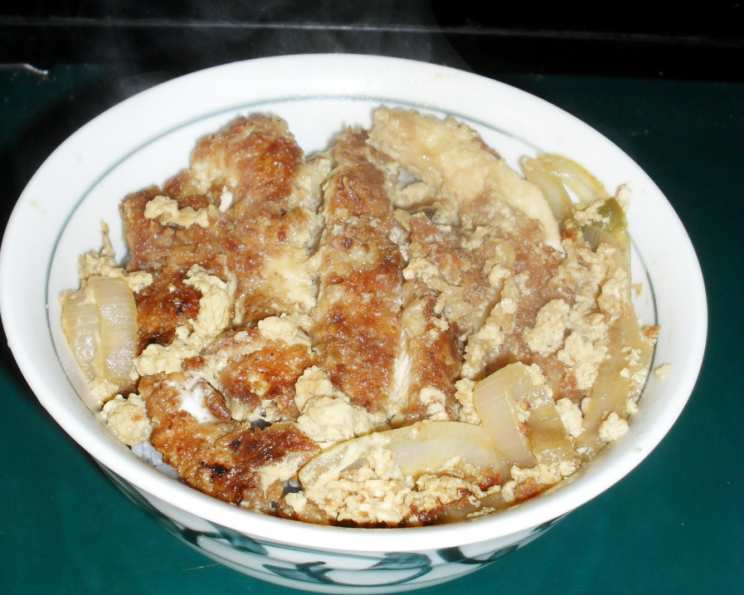
Katsu-don: A Symphony of Pork, Egg, and Rice
The first time I tasted Katsu-don, I was a wide-eyed culinary student on a whirlwind trip through Tokyo. Stepping into a tiny, bustling eatery near the university, the savory aroma of simmering dashi and perfectly fried pork instantly captivated me. The warmth of the rice, the crispness of the cutlet, and the velvety embrace of the egg created a harmony that was both comforting and exhilarating – a true revelation that cemented my love for Japanese cuisine. Now, decades later, the memory of that first bite still inspires me to recreate this beloved dish in my own kitchen.
Recipe Overview
- Prep Time: 20 minutes
- Cook Time: 20 minutes
- Total Time: 40 minutes
- Servings: 4
- Dietary Type: Omnivore
Ingredients
- 7 cups steamed rice
- Vegetable oil, for frying
- 4 boneless pork chops, pounded thin
- Salt & pepper to taste
Coating
- 3 tablespoons flour
- 1 egg, beaten
- 1 cup Japanese breadcrumbs (panko)
Broth
- 1 cup dashi broth or 1 cup water
- 6 tablespoons soy sauce
- 6 tablespoons sugar
- 4 tablespoons mirin
- 3-4 eggs, beaten
- 8 tablespoons green peas
Equipment Needed
- Large frying pan or wok
- Paper towels
- Skillet
- Deep bowls
Instructions
-
Begin by heating vegetable oil in a large frying pan or wok to a depth of about 1 inch. The ideal temperature is 340°F (170°C). You can test the temperature by dropping a few panko breadcrumbs into the oil; they should immediately sizzle and turn golden brown.
-
Prepare the pork chops: Trim off any excess fat and use a meat mallet to pound them until they are uniformly thin. This helps them cook quickly and evenly. Season generously with salt and pepper.
-
Set up your breading station. Place the flour in a shallow dish, the beaten egg in another, and the panko breadcrumbs in a third.
-
Coat each pork chop: First, dredge it in the flour, ensuring it’s fully coated. Then, dip it in the beaten egg, letting any excess drip off. Finally, coat it thoroughly in the panko breadcrumbs, pressing gently to help them adhere.
-
Fry the pork cutlets: Carefully place the breaded pork chops into the hot oil, ensuring not to overcrowd the pan. Fry for about 4 minutes per side, or until they are golden brown and cooked through. The internal temperature should reach 145°F (63°C).
-
Remove the fried cutlets and place them on paper towels to drain off any excess oil. Once they’ve cooled slightly, cut them into 1-inch strips.
-
Prepare the broth: In a bowl, whisk together the dashi broth (or water), soy sauce, sugar, and mirin. Ensure the sugar is fully dissolved.
-
Assemble the Katsu-don: Heat 1/4 of the broth mixture in a separate skillet, bringing it just to a gentle boil over medium heat.
-
Add the sliced pork cutlet: Place the slices of one pork cutlet into the simmering broth in the skillet. Cook for about 1 minute, allowing the broth to infuse the cutlet with flavor.
-
Create the egg topping: Once the broth has fully coated the cutlet, pour one portion of the beaten eggs into the skillet, spreading it evenly over the pork. Stir gently to create a slightly custardy texture.
-
Add the final touch: Sprinkle 2 tablespoons of green peas over the egg mixture and cook for another 30 seconds, or until the eggs are set but still slightly soft.
-
Serve: Place one serving of steamed rice into a deep bowl. Carefully remove the cutlet and egg mixture from the skillet and place it over the rice.
-
Repeat steps 8-12 for the remaining servings.
Expert Tips & Tricks
- Panko Power: Using panko breadcrumbs is key for achieving that signature crispy texture. Regular breadcrumbs won’t give you the same result.
- Don’t Overcrowd: Fry the pork cutlets in batches to prevent the oil temperature from dropping, which can lead to soggy cutlets.
- Broth Adjustment: Adjust the sugar level in the broth to your liking. Some prefer a sweeter flavor, while others prefer it more savory.
- Egg Consistency: For a runnier egg, reduce the cooking time slightly. For a firmer egg, cook it a bit longer.
- Make-Ahead Prep: You can prepare the pork cutlets ahead of time by breading them and storing them in the refrigerator for up to 24 hours. Just be sure to fry them right before serving.
Serving & Storage Suggestions
Katsu-don is best served immediately while the pork cutlet is still crispy and the egg is still soft. Garnish with a sprinkle of chopped green onions for added freshness.
Leftovers can be stored in an airtight container in the refrigerator for up to 2 days. Reheat in the microwave or in a skillet over medium heat. Keep in mind that the pork cutlet will lose some of its crispness during storage.
Freezing is not recommended, as the texture of the egg and rice will change significantly.
Nutritional Information
| Nutrient | Amount per Serving | % Daily Value |
|---|---|---|
| Calories | 650 kcal | 33% |
| Total Fat | 30g | 46% |
| Saturated Fat | 8g | 40% |
| Cholesterol | 200mg | 67% |
| Sodium | 1200mg | 50% |
| Total Carbohydrate | 75g | 25% |
| Dietary Fiber | 3g | 12% |
| Sugars | 15g | — |
| Protein | 40g | 80% |
Note: Nutritional information is an estimate and may vary based on specific ingredients and cooking methods.
Variations & Substitutions
- Chicken Katsu-don: Substitute the pork chops with boneless, skinless chicken breasts for a lighter alternative.
- Vegetarian Option: Use thick slices of firm tofu, pressed to remove excess moisture, and breaded and fried like the pork.
- Spicy Katsu-don: Add a pinch of red pepper flakes to the broth for a spicy kick.
- Gluten-Free: Use gluten-free flour and panko breadcrumbs. Ensure the soy sauce is also gluten-free (tamari is a good substitute).
- Egg Alternatives: For those avoiding eggs, you can create a vegan “egg” sauce using silken tofu blended with nutritional yeast and turmeric for color.
FAQs (Frequently Asked Questions)
Q: Can I use pre-made tonkatsu sauce instead of making the broth from scratch?
A: While you can, the homemade broth offers a more balanced and nuanced flavor profile. Pre-made sauces tend to be overly sweet or salty.
Q: How do I keep the pork cutlet crispy after adding the egg?
A: The key is to not overcook the egg. Cook it just until it’s set but still slightly soft, and serve immediately. This minimizes the time the cutlet sits in the moisture.
Q: Can I make this ahead of time?
A: It’s best enjoyed fresh. However, you can prepare the cutlets in advance and store them in the fridge until ready to fry.
Q: What kind of rice is best for Katsu-don?
A: Japanese short-grain rice, like sushi rice, is ideal. It has a slightly sticky texture that holds up well to the sauce and egg.
Q: Can I use water instead of dashi broth?
A: Yes, but the dashi broth adds a depth of umami flavor that elevates the dish. If using water, consider adding a small piece of kombu (dried kelp) to the water while simmering for added flavor.
Final Thoughts
Katsu-don is more than just a meal; it’s a comforting embrace of flavors and textures that tells a story of Japanese home cooking. While the steps might seem involved at first, the reward is a dish that’s both satisfying and surprisingly easy to master. So, gather your ingredients, embrace the process, and transport yourself to the bustling streets of Tokyo with every delicious bite. I encourage you to try this recipe and share your own variations and feedback! Consider pairing it with a refreshing cucumber salad or a cold glass of sake for the ultimate Japanese dining experience.