
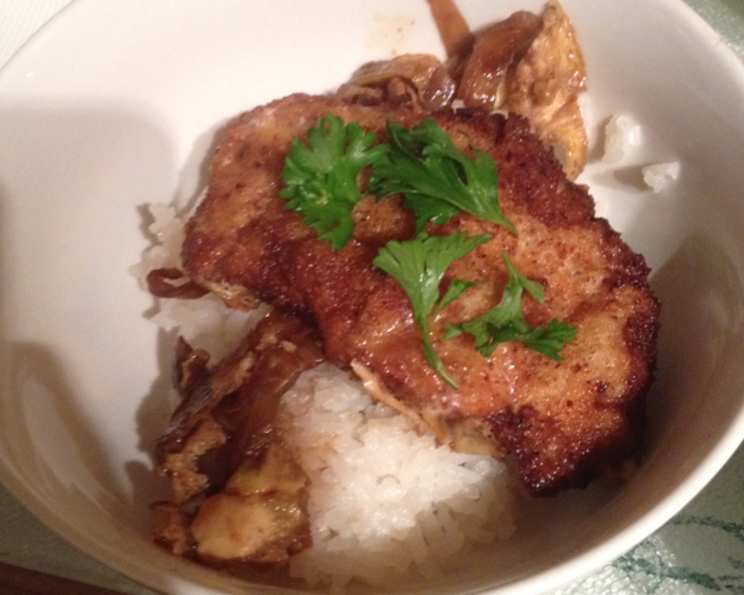
Katsudon: A Taste of Home
The clatter of dishes, the sizzle of frying, and the sweet-savory aroma of dashi simmering with soy sauce – these are the sounds and smells of my childhood, specifically when my auntie made Katsudon. It wasn’t just a meal; it was an event. My cousins and I would jostle for the best seats around the table, our eyes glued to the wok as she expertly slid the golden-brown cutlets into the bubbling broth. Each bite was a comforting hug, a taste of home that transcended language and distance. It’s a dish that evokes pure nostalgia.
Recipe Overview
- Prep Time: 45 minutes
- Cook Time: 50 minutes
- Total Time: 1 hour 35 minutes
- Servings: 8
- Yield: 8 pieces
- Dietary Type: Not specified
Ingredients
Marinade:
- 1 kg pork chop (or sliced chicken breasts)
- 15 kumquats, squeezed juice (can substitute with calamansi or 2 lemons)
- 2 tablespoons soy sauce
- 1 teaspoon pepper
- 1/2 cup onion, chopped
For Dredging:
- 1 cup flour, as needed
- 3 eggs
- 1 cup panko breadcrumbs, as needed
For Frying:
- 1 cup cooking oil, for deep frying, as needed
Stock:
- 2 cups dashi stock or 2 cups water
- 1/2 cup soy sauce
- 1/4 cup onion, chopped
- 1/4 cup leek, chopped
- 2 tablespoons rice wine or 2 tablespoons mirin
- 1 tablespoon sugar
Garnish:
- 2 green onions, chopped
Serve With:
- 8 cups steamed rice, cooked and each cup placed on a big bowl
- 8 eggs, scrambled separately (but do this after the meat’s fried)
Equipment Needed
- Large bowl for marinating
- Three shallow dishes for dredging
- Large pot or wok
- Tongs or spatula
- Paper towels for draining
- Cutting board
- Knife
Instructions
-
Marinate the pork: In a large bowl, combine the pork chop (or sliced chicken breasts), kumquat juice (or calamansi/lemon juice), soy sauce, pepper, and chopped onion. Ensure the meat is well coated. Cover and marinate in the refrigerator for at least 30 minutes, or longer for a more intense flavor.
-
Prepare the dredging station: Set up three shallow dishes. In the first dish, place the flour. In the second, beat the eggs. In the third, add the panko breadcrumbs.
-
Dredge the pork: Remove the marinated pork from the refrigerator. Take each piece of pork, shake off any excess marinade, and dredge it in the flour, ensuring it is fully coated. Then, dip it into the beaten eggs, allowing any excess to drip off. Finally, coat the pork thoroughly with the panko breadcrumbs, pressing gently to help them adhere.
-
Fry the pork: In a large pot or wok, heat the cooking oil over medium-high heat. The oil should be hot enough for deep frying. Carefully place the breaded pork cutlets into the hot oil, ensuring not to overcrowd the pot. Fry each side for 3-4 minutes, or until golden brown and cooked through. Remove the fried pork cutlets from the oil and place them on paper towels to drain excess oil.
-
Cut the pork: Once the pork cutlets are cool enough to handle, cut them into approximately 3/4-inch strips. Important: Slice the cutlet while keeping the shape intact. To make this easier, slice most of the way through, but not completely to the skin, so that the shape is still held together.
-
Prepare the stock: In the same wok (after cleaning it), or in a large pan, combine the dashi stock (or water), soy sauce, chopped onion, chopped leek, rice wine (or mirin), and sugar. Bring the mixture to a simmer over medium heat, stirring occasionally to dissolve the sugar.
-
Simmer and add the cutlets: After simmering the stock for about 10 minutes, increase the heat slightly. Gently slide each portion of the sliced cutlet into the simmering stock using a spatula, keeping the shape as intact as possible. Immediately pour a portion of the scrambled eggs over each cutlet, cooking until the egg is nearly set.
-
Assemble the Katsudon: The key is not to overcook the eggs, and don’t cook the pork too long, or the tonkatsu (the fried meat with breading) will lose its crispiness. Remove the intact meat and egg mixture and slide it carefully on top of a bowl of steamed rice. Repeat this process with the remaining cutlets.
-
Garnish and serve: Garnish each bowl of Katsudon with chopped green onions. Serve immediately and enjoy!
Expert Tips & Tricks
- Marinating: Don’t skimp on the marinating time! The longer the pork marinates, the more flavorful it will be. Overnight marination is ideal.
- Panko Perfection: For extra crispy panko breadcrumbs, lightly toast them in a dry pan before dredging.
- Egg-cellent Timing: The egg should be just set, not rubbery. Remove the pan from the heat while the egg still jiggles slightly. It will continue to cook from the residual heat.
- Oil Temperature: Use a thermometer to ensure the oil is at the correct temperature (around 325-350°F or 160-175°C) before frying. This will prevent the pork from becoming greasy. If you don’t have a thermometer, test the oil by dropping a small piece of breadcrumb into it; it should sizzle and turn golden brown within seconds.
- Crispy Cutlet Revival: If you find that the cutlet starts to lose crispness from the sauce, you can put it under a broiler for a minute or two right before serving to re-crisp it a little bit. Watch it carefully!
Serving & Storage Suggestions
Serving: Serve Katsudon immediately while it’s hot. The combination of crispy tonkatsu, savory-sweet sauce, and fluffy rice is best enjoyed fresh. You can also serve it with a side of miso soup or a simple salad.
Storage: Leftover Katsudon can be stored in an airtight container in the refrigerator for up to 2 days. However, the tonkatsu will lose its crispness over time.
Reheating: To reheat, gently warm the Katsudon in a microwave or in a pan over low heat. If using a microwave, cover the bowl to prevent the rice from drying out. For best results, consider removing the tonkatsu from the sauce and reheating it separately in a toaster oven or air fryer to restore some crispness before recombining. Note that the texture of the egg may change when reheated.
Nutritional Information
| Nutrient | Amount per Serving | % Daily Value |
|---|---|---|
| Calories | 887.4 kcal | N/A |
| Calories from Fat | 416 g | 47% |
| Total Fat | 46.2 g | 71% |
| Saturated Fat | 9.7 g | 48% |
| Cholesterol | 342 mg | 113% |
| Sodium | 1456.6 mg | 60% |
| Total Carbohydrate | 70.4 g | 23% |
| Dietary Fiber | 4.2 g | 16% |
| Sugars | 6.7 g | 26% |
| Protein | 44.2 g | 88% |
Note: Nutritional information is an estimate and may vary based on specific ingredients and cooking methods.
Variations & Substitutions
- Chicken Katsudon (Oyakodon style): Substitute the pork with chicken thighs or breasts.
- Vegetarian Katsudon: Use thick slices of firm tofu or eggplant instead of meat. Bread and fry them as directed.
- Spicy Katsudon: Add a dash of chili oil or a pinch of red pepper flakes to the stock for a spicy kick.
- Egg Variation: Instead of scrambled eggs, use a raw egg cracked over the cutlet as it simmers in the sauce. The residual heat will cook the egg slightly, creating a richer sauce.
- Gluten-Free Katsudon: Use gluten-free flour and panko breadcrumbs. Ensure the soy sauce is also gluten-free (tamari is a good option).
FAQs (Frequently Asked Questions)
Q: Can I use pork loin instead of pork chop?
A: Yes, pork loin is a good substitute. Slice it thinly before marinating to ensure it cooks quickly and evenly.
Q: Can I make this ahead of time?
A: While best served fresh, you can prepare the individual components (fried cutlets, sauce, rice) ahead of time and assemble just before serving.
Q: Can I freeze the tonkatsu?
A: Yes, you can freeze the fried tonkatsu before adding it to the sauce. Wrap it tightly in plastic wrap and then place it in a freezer bag. Thaw completely before using.
Q: What can I use if I don’t have dashi stock?
A: If you don’t have dashi stock, you can use chicken broth or vegetable broth as a substitute. The flavor will be slightly different, but it will still be delicious.
Q: How do I prevent the breading from falling off during frying?
A: Make sure to dredge the pork thoroughly in flour, egg, and panko, pressing gently to help the breadcrumbs adhere. Also, ensure the oil is hot enough before frying.
Final Thoughts
Katsudon is more than just a dish; it’s a culinary hug, a memory simmering in a bowl. From the crispy, golden cutlet to the savory, slightly sweet broth-soaked rice, every bite tells a story. Whether you’re craving comfort food or seeking to explore the depths of Japanese cuisine, I encourage you to try this recipe. Don’t be afraid to experiment with variations and make it your own. And most importantly, share your creations with loved ones and create memories that will last a lifetime. This recipe is a guide, a starting point, but the true magic happens when you infuse it with your own love and passion. Enjoy!