
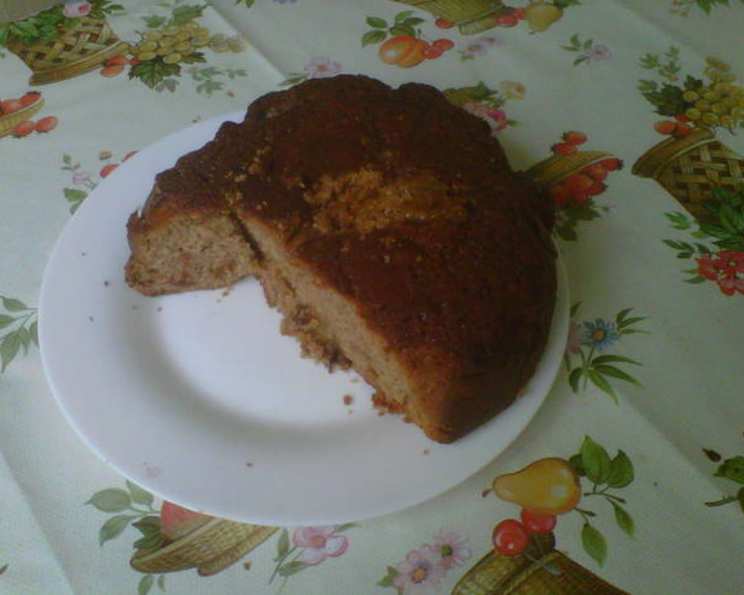
Keep it Going: The Enchanting German Friendship Cake
The first time I encountered German Friendship Cake, it wasn’t in a kitchen, but in a pottery studio. The earthy scent of clay mixed with the sweet, yeasty aroma emanating from a crock pot on a side table. My friend, a ceramic artist, explained the ritual: the daily stirring, the anticipation, the eventual sharing of the bubbly starter. It felt like a secret society, a delicious sisterhood bonded by flour, sugar, and the magic of fermentation. The resulting cake, warm from the oven, was moist, subtly spiced, and carried with it the unique energy of collective creation. It was then I understood that this cake wasn’t just a recipe, it was a tradition, a story, a gift that kept on giving.
Recipe Overview
- Prep Time: 240 hours 50 minutes
- Cook Time: 40-50 minutes
- Total Time: 241 hours 40 minutes
- Servings: 10-12
- Yield: 1 cake (9×13 inch pan)
- Dietary Type: Not specified; contains dairy, eggs, and gluten.
Ingredients
For the Starter:
- 1 cup flour
- 1 1/4 cups water
- 1/2 package dry yeast
First Day and Fifth Day Additions:
- 1 cup flour
- 1 cup milk
- 1 cup sugar
Tenth Day Cake Ingredients:
- 2 eggs
- 2/3 cup vegetable oil
- 2 cups flour
- 1 cup sugar
- 1 1/2 teaspoons baking soda
- 2 teaspoons baking powder
- 1/2 teaspoon salt
- 1 1/2 teaspoons cinnamon
- 2 teaspoons vanilla
- 1 (20 ounce) can crushed pineapple, well drained
- 1/2 cup raisins
- 1/2 cup chopped nuts
Topping:
- 1/4 cup butter
- 1 cup packed brown sugar
- 1 tablespoon flour
Equipment Needed
- Mixing bowls (various sizes)
- Measuring cups and spoons
- Spatula or wooden spoon
- 9 x 13 inch baking pan
- Oven
Instructions
-
Prepare the Starter: In a bowl, mix together the flour, water, and dry yeast. Let stand at room temperature, undisturbed, for 24 to 36 hours. This allows the yeast to activate and begin the fermentation process.
-
First Day Addition (or receiving the starter): If you’re starting from scratch, move on to the next step. If you’re receiving one cup of starter from a friend, you can skip the starter creation phase. Place your starter in a medium bowl and combine it with the “First Day” ingredients: 1 cup of flour, 1 cup of milk, and 1 cup of sugar.
-
Refrigerate and Stir (Days 1-5): Cover the bowl and refrigerate. Stir the mixture once a day for 5 days. This helps to distribute the ingredients and encourage even fermentation.
-
Fifth Day Addition: After 5 days, place the mixture in a larger bowl. Add the “Fifth Day” ingredients: another 1 cup of flour, 1 cup of milk, and 1 cup of sugar.
-
Refrigerate and Stir (Days 6-10): Cover the bowl and refrigerate. Stir the mixture once a day for 5 more days.
-
Sharing the Starter: On the 10th day, the starter is ready for sharing! Remove 3 separate cups of starter and give each cup to 3 friends, along with the recipe and instructions. Be sure to emphasize that your friends do not need to mix their starter or let it sit for 24-36 hours; they are receiving a ready-to-use starter.
-
Preheat the Oven: Preheat your oven to 350 degrees Fahrenheit (175 degrees Celsius).
-
Combine Cake Ingredients: Combine all of the “Tenth Day” ingredients with the remaining starter mixture. This includes: 2 eggs, 2/3 cup vegetable oil, 2 cups flour, 1 cup sugar, 1 1/2 teaspoons baking soda, 2 teaspoons baking powder, 1/2 teaspoon salt, 1 1/2 teaspoons cinnamon, 2 teaspoons vanilla, 1 (20 ounce) can of crushed pineapple (well drained), 1/2 cup raisins, and 1/2 cup chopped nuts.
-
Prepare the Pan: Grease and flour a 9 x 13 inch pan to prevent the cake from sticking.
-
Pour and Top: Pour the cake batter into the prepared pan. In a separate bowl, combine the topping ingredients: 1/4 cup butter, 1 cup packed brown sugar, and 1 tablespoon flour. Sprinkle the topping evenly over the cake batter.
-
Bake: Bake for 40-50 minutes, or until a wooden skewer inserted into the center comes out clean. Keep an eye on the cake towards the end of the baking time; ovens can vary.
-
Cool: Let cool completely before serving.
Expert Tips & Tricks
- Starter Consistency: The starter should be bubbly and have a slightly tangy aroma. If it doesn’t seem active after the initial 24-36 hours, try adding a pinch more yeast and letting it sit for a few more hours.
- Fruit Drainage: Ensure the crushed pineapple is very well drained. Excess moisture can make the cake soggy.
- Nut Variety: Feel free to experiment with different types of nuts in the cake and topping. Walnuts, pecans, or even slivered almonds would be delicious.
- Spice Adjustment: Adjust the amount of cinnamon to your liking. You could also add a pinch of nutmeg or cloves for a warmer flavor.
- Baking Time: The baking time may vary depending on your oven. Start checking for doneness around 40 minutes. The cake is done when a toothpick inserted into the center comes out clean, or with a few moist crumbs attached.
Serving & Storage Suggestions
The German Friendship Cake is best served at room temperature. It’s delicious on its own, but also pairs well with a scoop of vanilla ice cream or a dollop of whipped cream.
Store leftover cake in an airtight container at room temperature for up to 3 days, or in the refrigerator for up to a week. You can also freeze the cake for longer storage; wrap it tightly in plastic wrap and then in foil. Thaw overnight in the refrigerator before serving. Reheating is not usually necessary, but you can warm individual slices in the microwave for a few seconds if desired.
Nutritional Information
| Nutrient | Amount per Serving | % Daily Value |
|---|---|---|
| Calories | 724.4 kcal | N/A |
| Calories from Fat | 226 g | 31% |
| Total Fat | 25.2 g | 38% |
| Saturated Fat | 6.2 g | 31% |
| Cholesterol | 52.8 mg | 17% |
| Sodium | 500.3 mg | 20% |
| Total Carbohydrate | 118.7 g | 39% |
| Dietary Fiber | 3 g | 12% |
| Sugars | 74.4 g | 297% |
| Protein | 9.2 g | 18% |
Note: Nutritional information is an estimate and may vary based on specific ingredients and portion sizes.
Variations & Substitutions
- Gluten-Free: Substitute the all-purpose flour with a gluten-free blend. You might need to add a binding agent like xanthan gum to help with the texture.
- Dairy-Free: Replace the milk with a plant-based alternative like almond, soy, or oat milk. Ensure the butter in the topping is also replaced with a dairy-free margarine or coconut oil.
- Lower Sugar: Reduce the amount of sugar in the cake and topping. You could also use a sugar substitute, but be mindful of how it affects the taste and texture.
- Seasonal Fruit: Experiment with different fruits depending on the season. Apples, pears, or berries would be delicious additions.
- Spiced Up: Add a pinch of cardamom, ginger, or allspice for a more complex flavor profile.
FAQs (Frequently Asked Questions)
Q: Can I use a metal bowl for the starter?
A: It’s generally recommended to use a glass or ceramic bowl for the starter, as some metals can react with the yeast and affect the fermentation process.
Q: My starter isn’t bubbling. What should I do?
A: Ensure the yeast is fresh and that the temperature is warm enough for the yeast to activate. You can try adding a pinch more yeast and letting it sit in a slightly warmer place.
Q: Can I freeze the starter?
A: Yes, you can freeze the starter. Place it in a freezer-safe container, leaving some room for expansion. Thaw it in the refrigerator before using. You may need to feed it a small amount of flour and sugar to reactivate the yeast.
Q: What if I don’t have crushed pineapple?
A: You can substitute with another canned fruit, like peaches or mandarin oranges, or use fresh fruit that has been finely chopped. Just make sure to drain the fruit well to avoid a soggy cake.
Q: Do I have to give away three cups of starter?
A: While sharing is part of the tradition, it’s not mandatory. If you don’t have anyone to share with, you can either discard the extra starter or halve the Tenth Day cake recipe and use the remaining starter for another batch later on.
Final Thoughts
The German Friendship Cake is more than just a dessert; it’s an experience. The anticipation of the bubbling starter, the daily stirring ritual, and the joy of sharing with friends and family make it a truly special treat. Don’t be intimidated by the multi-day process. Each step is simple, and the reward is well worth the effort. Gather your ingredients, embrace the tradition, and bake a cake that keeps on giving – both literally and figuratively. I highly recommend serving this cake with a warm cup of coffee or tea, and maybe even a good story to share with the lucky recipients of your starter. Enjoy the journey!