
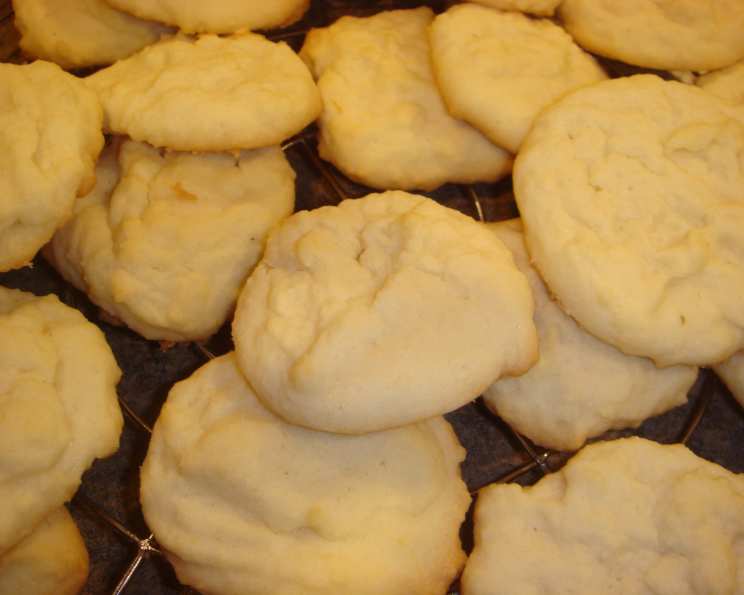
Kentucky Sugar Cookies: A Taste of Southern Hospitality
My grandmother, bless her heart, was a true Kentucky woman through and through, and her kitchen was the epicenter of warmth and deliciousness. I have so many fond memories of sneaking bites of her legendary Kentucky Sugar Cookies. The aroma of vanilla and buttery goodness wafting from the oven always signaled that something special was brewing. They weren’t fancy, just simple, melt-in-your-mouth perfection. Each bite brings me right back to her cozy kitchen, surrounded by the love and laughter of family.
Recipe Overview
- Prep Time: 30 minutes
- Cook Time: 12-14 minutes
- Total Time: 44 minutes
- Yields: Approximately 9 dozen cookies
- Dietary Type: Not specified (contains gluten, dairy, and eggs)
Ingredients
- 1 cup butter, softened
- 1 cup vegetable oil
- 1 cup sugar
- 1 cup powdered sugar, sifted
- 2 large eggs
- 1 teaspoon vanilla
- 4 cups all-purpose flour
- 1 teaspoon salt
- 1 teaspoon baking soda
- 1 teaspoon cream of tartar
Equipment Needed
- Large mixing bowl
- Electric mixer (handheld or stand mixer)
- Measuring cups and spoons
- Cookie sheets (ungreased)
- Cooling rack
Instructions
-
First, prepare your dry ingredients. In a large mixing bowl, thoroughly combine the all-purpose flour, baking soda, salt, and cream of tartar. Whisk them together to ensure even distribution of the leavening agents. Set this mixture aside for later.
-
In another large mixing bowl, it’s time to cream the fats. Using an electric mixer, beat together the softened butter and vegetable oil until they are light and fluffy. This step is crucial for creating a tender cookie.
-
Gradually add both sugars to the creamed mixture. Start with the sugar, then follow with the powdered sugar, making sure it’s been sifted to remove any lumps. Continue beating until the mixture is thoroughly combined and creamy. The powdered sugar contributes to the cookies’ delicate texture.
-
Add the eggs one at a time to the creamed mixture, beating well after each addition. This ensures that each egg is fully incorporated, which helps bind the ingredients together.
-
Stir in the vanilla. The vanilla extract enhances the overall flavor profile of the cookies.
-
Now, gradually add the dry ingredients to the wet ingredients, beating well after each addition. It’s essential to add the dry ingredients in increments to prevent overmixing, which can lead to tough cookies. Mix until just combined; avoid overmixing.
-
Preheat your oven to 350 degrees Fahrenheit (175 degrees Celsius). Make sure your oven rack is positioned in the center for even baking.
-
Drop the cookie dough by teaspoonfuls onto ungreased cookie sheets. Leave some space between each cookie to allow for spreading during baking.
-
Bake for 12-14 minutes, or until the edges are lightly golden brown. Keep a close eye on the cookies, as baking times can vary depending on your oven.
-
Once baked, remove the cookies from the pan and place them on a cooling rack to cool completely. This prevents them from continuing to cook on the hot baking sheet and becoming too hard.
Expert Tips & Tricks
-
Soft Butter is Key: Ensure your butter is truly softened (but not melted) for the best creaming results. Room temperature butter emulsifies better, creating a lighter, airier cookie.
-
Don’t Overmix: Overmixing develops the gluten in the flour, resulting in tougher cookies. Mix until just combined.
-
Chill the Dough (Optional): If you have time, chilling the dough for 30 minutes before baking can help prevent excessive spreading and result in thicker cookies.
-
Even Baking: Use parchment paper or silicone baking mats to ensure even browning and prevent sticking.
-
Perfectly Round Cookies: If your cookies spread unevenly, use a round cookie cutter or a large mug to gently nudge them back into shape while they are still warm.
-
Ingredient Swaps: While this recipe is perfect as is, you can experiment with different extracts like almond or lemon for a flavor twist.
Serving & Storage Suggestions
Kentucky Sugar Cookies are best served fresh and slightly warm, enjoyed with a glass of cold milk, a cup of hot coffee, or a scoop of vanilla ice cream. Their simple sweetness also pairs beautifully with a fruit salad or a cheese platter.
To store, place the cooled cookies in an airtight container at room temperature. They will stay fresh for about 3-5 days. For longer storage, you can freeze the cookies in a freezer-safe bag or container for up to 2 months. Let them thaw completely before serving. You can also freeze the raw cookie dough. Simply portion it out and freeze in a freezer-safe bag. When ready to bake, thaw the dough in the refrigerator overnight and bake as directed.
Nutritional Information
Note: Nutritional information is an estimate and can vary based on specific ingredients and serving sizes.
| Nutrient | Amount per Serving | % Daily Value |
|---|---|---|
| Calories | 60-70 kcal | 3-4% |
| Total Fat | 3-4g | 5-6% |
| Saturated Fat | 2g | 10% |
| Cholesterol | 15mg | 5% |
| Sodium | 20-25mg | 1% |
| Total Carbohydrate | 7-8g | 2-3% |
| Dietary Fiber | 0g | 0% |
| Sugars | 4-5g | N/A |
| Protein | Less than 1g | 1% |
Variations & Substitutions
- Lemon Zest: Add 1-2 teaspoons of lemon zest to the dough for a bright, citrusy flavor.
- Spice It Up: Incorporate ½ teaspoon of ground cinnamon or nutmeg for a warm, spiced variation.
- Chocolate Chip: Fold in ½ cup of mini chocolate chips for a delightful chocolate twist.
- Gluten-Free: Substitute a gluten-free all-purpose flour blend for the regular flour. Be sure to include xanthan gum if your blend doesn’t already contain it.
- Brown Butter: Elevate the flavor by using brown butter instead of regular softened butter. Allow the brown butter to cool and solidify slightly before creaming with the sugars.
- Iced Cookies: Once cooled, frost the cookies with a simple powdered sugar glaze or a buttercream frosting.
FAQs (Frequently Asked Questions)
Q: Why are my cookies spreading too thin?
A: This could be due to several factors: your butter may have been too soft or melted, you may have overmixed the dough, or your oven temperature may be too low. Try chilling the dough before baking and ensuring your oven is properly preheated.
Q: Can I use shortening instead of butter?
A: While you can substitute shortening for butter, the flavor and texture will be slightly different. Butter contributes to the cookies’ rich flavor and tenderness.
Q: How do I keep my cookies soft?
A: Store the cookies in an airtight container with a slice of bread. The bread will absorb moisture and help keep the cookies soft.
Q: Can I add food coloring to the dough?
A: Yes, you can add a few drops of food coloring to the dough for festive occasions. Add the coloring gradually until you reach your desired shade.
Q: My cookies are browning too quickly on the bottom. What should I do?
A: Place another cookie sheet underneath the baking sheet to provide extra insulation and prevent the bottoms from burning.
Final Thoughts
These Kentucky Sugar Cookies are more than just a recipe; they’re a slice of Southern comfort, a reminder of simpler times, and a testament to the power of home baking. So, gather your ingredients, preheat your oven, and get ready to create a batch of these delightful treats. Don’t be afraid to put your own personal spin on them. Share them with your loved ones and spread the joy of homemade goodness. I encourage you to try baking this recipe and share your results with me! I’d love to hear how they turned out and what variations you tried.