
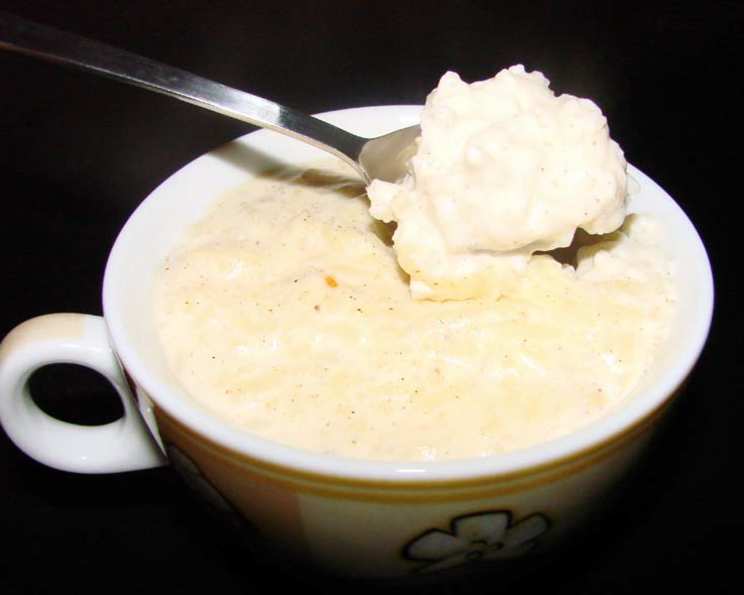
The Timeless Comfort of Kheer: A Culinary Journey
I still remember being a young boy, perched on a stool in my grandmother’s bustling kitchen. The air, thick with the intoxicating aroma of simmering milk and cardamom, signaled that something special was brewing. It was Kheer, the creamy Indian rice pudding that held within it the essence of family, tradition, and pure, unadulterated comfort. The anticipation, watching her stir patiently, is a memory I still cherish.
Recipe Overview
- Prep Time: 10 minutes
- Cook Time: 45 minutes
- Total Time: 55 minutes
- Servings: 6
- Yield: Approximately 6 cups
- Dietary Type: Vegetarian
Ingredients
- 1/2 cup basmati rice
- 2 cups water
- 2 quarts milk (whole milk recommended for richness)
- 5 green cardamom pods
- 1 1/4 cups sugar (adjust to taste)
- 1/4 cup blanched slivered almonds
- 1/2 teaspoon ground cardamom
- 1/4 teaspoon ground nutmeg
- 1 tablespoon rose water
Equipment Needed
- Medium saucepan
- Large saucepan or pot (at least 4-quart capacity)
- Colander
- Measuring cups and spoons
- Stirring spoon
Instructions
-
Begin by rinsing the basmati rice under cold water until the water runs clear. This helps remove excess starch and prevents the kheer from becoming too sticky.
-
In a medium saucepan, combine the rinsed basmati rice with 2 cups of water. Bring to a boil over medium heat.
-
Reduce the heat to a simmer and cook for 5 to 6 minutes, or until the rice is approximately one-quarter cooked. The grains should still be quite firm.
-
Drain the partially cooked rice in a colander, discarding the water. This step further reduces excess starch and helps create the desired creamy texture.
-
In a large saucepan or pot, pour in the 2 quarts of milk. Add the 5 green cardamom pods, lightly crushing them with the flat side of a knife to release their aroma.
-
Bring the milk and cardamom pods to a boil over medium heat, stirring occasionally to prevent the milk from scorching at the bottom of the pan.
-
Once the milk reaches a boil, reduce the heat to a low simmer. Gently add the drained, partially cooked basmati rice to the simmering milk.
-
Cook for 30 to 40 minutes, or until the rice is soft and the milk has thickened considerably. This is a crucial step; the slow simmering process allows the rice to release its starch, creating the signature creamy consistency of kheer. Stir frequently, especially during the last 15 minutes, to incorporate the starch and prevent the rice from sticking to the bottom of the pot.
-
After 30-40 minutes and the mixture has thickened, add the 1 1/4 cups of sugar, 1/4 cup of blanched slivered almonds, 1/2 teaspoon of ground cardamom, and 1/4 teaspoon of ground nutmeg.
-
Continue to cook for another 5 minutes, stirring constantly, to allow the sugar to dissolve completely and the flavors to meld together.
-
Remove the kheer from the heat. Gently stir in the 1 tablespoon of rose water. Be careful not to add too much, as it can overpower the other delicate flavors.
-
Serve the kheer warm or chilled in dessert bowls.
Expert Tips & Tricks
- Rice Selection: While basmati rice is traditional, you can experiment with other short-grain rice varieties like arborio for a creamier texture.
- Milk Matters: Full-fat milk will yield the richest and creamiest kheer. However, you can use lower-fat milk, but the cooking time might need to be adjusted to achieve the desired thickness.
- Cardamom Infusion: For a more intense cardamom flavor, gently bruise the pods before adding them to the milk. You can also use cardamom powder, but fresh pods offer a more complex aroma.
- Preventing Sticking: To prevent the rice from sticking to the bottom of the pan, use a heavy-bottomed pot and stir frequently, especially during the final stages of cooking.
- Adjusting Sweetness: Taste the kheer during the final 5 minutes of cooking and adjust the amount of sugar to your preference.
- Pre-soaking Rice: Soaking the rice for 30 minutes before cooking can speed up the cooking process and result in a softer texture.
- Creamier texture: Adding a tablespoon of condensed milk during the last 5 minutes of cooking can enhance the creaminess and sweetness.
- Vegan Kheer: You can make Kheer with plant-based milk like almond milk or coconut milk and use agave or maple syrup as a sweetener.
Serving & Storage Suggestions
Kheer can be served warm or chilled, depending on your preference and the weather. Garnish with extra slivered almonds, chopped pistachios, or a sprinkle of saffron threads for an elegant presentation. Leftover kheer can be stored in an airtight container in the refrigerator for up to 3 days. To reheat, gently warm it in a saucepan over low heat, stirring occasionally, or microwave in short intervals until heated through. If the kheer becomes too thick during storage, add a splash of milk while reheating to restore its creamy consistency. Kheer is not ideally suited for freezing as the texture may change upon thawing.
Nutritional Information
Please note that these values are estimates and may vary based on specific ingredients and portion sizes.
| Nutrient | Amount per Serving | % Daily Value |
|---|---|---|
| Calories | 350 kcal | 18% |
| Total Fat | 15g | 23% |
| Saturated Fat | 9g | 45% |
| Cholesterol | 45mg | 15% |
| Sodium | 80mg | 3% |
| Total Carbohydrate | 45g | 15% |
| Dietary Fiber | 1g | 4% |
| Sugars | 30g | N/A |
| Protein | 8g | 16% |
Variations & Substitutions
- Saffron Kheer: Infuse the milk with a pinch of saffron threads for a luxurious golden hue and delicate floral aroma.
- Fruit Kheer: Add chopped mango, berries, or dried fruits like raisins and apricots for a fruity twist. Adjust sugar levels accordingly.
- Nutty Kheer: Experiment with different nuts like pistachios, cashews, or walnuts for added texture and flavor.
- Chocolate Kheer: Stir in a tablespoon of cocoa powder or grated dark chocolate for a decadent chocolate version.
- Vegan Kheer: Substitute dairy milk with coconut milk or almond milk and use maple syrup or agave nectar instead of sugar for a vegan-friendly option.
- Regional Variations: Explore different regional variations of kheer, such as Payasam from South India, which often includes coconut milk and jaggery.
FAQs (Frequently Asked Questions)
Q: Can I use brown rice instead of basmati rice?
A: While you can use brown rice, the cooking time will be significantly longer, and the texture will be chewier. Basmati rice is recommended for its delicate flavor and texture.
Q: How do I prevent the milk from burning at the bottom of the pot?
A: Use a heavy-bottomed pot and stir frequently, especially during the final stages of cooking, to prevent the milk from scorching.
Q: Can I make kheer in a slow cooker?
A: Yes, you can cook kheer in a slow cooker on low heat for 4-6 hours, stirring occasionally.
Q: How can I thicken the kheer if it’s not thick enough after 40 minutes?
A: Continue to simmer the kheer over low heat, stirring frequently, until it reaches the desired consistency. You can also mix a teaspoon of cornstarch with a tablespoon of cold milk and stir it into the kheer to help thicken it.
Q: Can I add food coloring to the kheer?
A: While not traditional, you can add a few drops of food coloring for aesthetic purposes. However, natural coloring agents like saffron are preferred for their flavor and health benefits.
Final Thoughts
Kheer is more than just a dessert; it’s a celebration of flavors, textures, and traditions. Whether you’re a seasoned cook or a beginner in the kitchen, this recipe is a delightful journey that will reward you with a creamy, comforting, and unforgettable treat. So, gather your ingredients, embrace the process, and create a batch of Kheer that will warm your heart and tantalize your taste buds. Don’t hesitate to experiment with different variations and share your feedback. Enjoy this culinary masterpiece on its own or paired with a cup of warm chai for the perfect ending to any meal.