
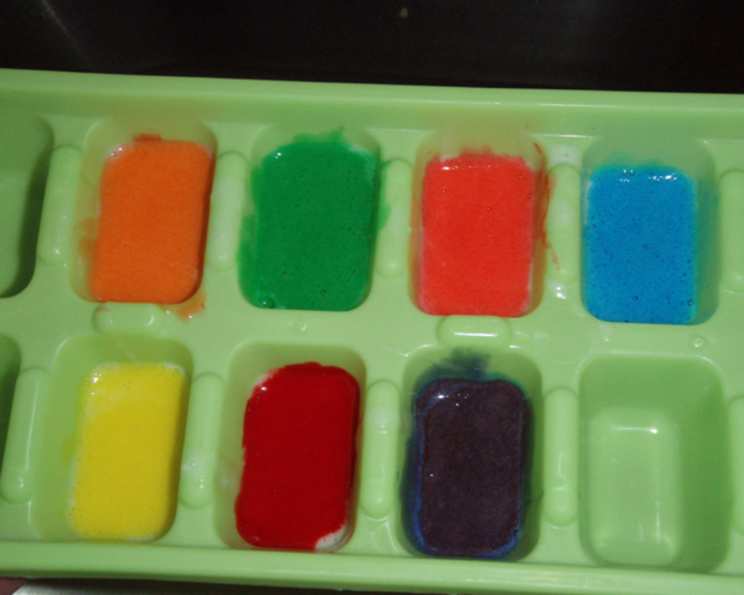
Creative Bathtime Fun: Homemade Bathtub Paints for Kids
I remember the sheer joy of bath time as a child. It wasn’t just about getting clean; it was an adventure! My siblings and I would transform the bathroom into an underwater kingdom, drawing fantastical creatures on the tile walls with our fingers using the foamy bubbles from our shampoo. Now, as a chef and a mom, I’ve found an even better way to spark that creative bath time fun – by creating edible bathtub paints that are safe, vibrant, and super easy to make. Say goodbye to boring baths and hello to artistic expression in the tub!
Recipe Overview
- Prep Time: 5 minutes
- Cook Time: 0 minutes
- Total Time: 5 minutes
- Yields: 1 bath time fun
- Dietary Type: Kid-Friendly, Gluten-Free
Ingredients
- ⅓ cup mild clear Joy dishwashing soap
- 1 tablespoon cornstarch
- Food coloring (gel or liquid)
Equipment Needed
- Mixing bowl
- Ice cube tray (or small containers)
- Toothpicks or small spoons
Instructions
- In a mixing bowl, combine the cornstarch and liquid dish soap. Stir well until you achieve a smooth, even consistency. This mixture forms the base for your bathtub paints.
- Pour the mixture into an ice cube tray, filling each section about halfway full. An ice cube tray provides convenient, individual portions of paint, reducing mess and waste. Alternatively, you can use small, separate containers.
- Add 4-8 drops of different food coloring colors into each section of the ice cube tray. Feel free to get creative with your color combinations! Use a variety of colors to encourage artistic expression during bath time.
- Use toothpicks or small spoons to mix the food coloring into the soap and cornstarch mixture in each section until well blended. Ensure the color is evenly distributed for vibrant, eye-catching paints.
- Give the prepared bathtub paints to your kids and let them unleash their creativity! Watch as they transform the bathroom into their personal canvas. Remember to supervise young children to prevent them from ingesting the paints, although they are made with safe ingredients.
- Rinse walls and your child after bath is complete.
Expert Tips & Tricks
- Gentle Soap is Key: Ensure you use a mild, clear dish soap to avoid irritating your child’s skin. Joy is specifically mentioned for its gentle formula, but other comparable brands will also work.
- Consistency Control: If the mixture is too thick, add a few drops of water at a time until you reach a desired paint-like consistency. If it’s too thin, add a tiny amount of cornstarch.
- Gel vs. Liquid Food Coloring: Gel food coloring is more concentrated and produces more vibrant colors. Liquid food coloring is easier to blend, but you may need to use more to achieve the same intensity.
- Mixing Colors: Encourage your kids to mix different colors together to create new shades. This teaches them about color theory and adds an extra layer of fun.
- Bath Bombs Addition: For an even more exciting bath experience, consider adding a small amount of bath bomb mixture to each “paint” cube. This will add fizz and fragrance to their creations.
- Skin sensitivity testing: Conduct a small patch test on your child’s skin with each color before allowing full use, especially if they have sensitive skin or known allergies.
Serving & Storage Suggestions
These bathtub paints are best used immediately for maximum vibrancy and consistency. However, if you have any leftover paint, you can store it in an airtight container in the refrigerator for up to 24 hours. The colors may fade slightly over time. Simply stir well before using again. It is generally recommended to make a fresh batch each time for optimal quality and safety.
Nutritional Information
Please note that these paints are not intended for consumption, so the nutritional information is provided as an estimate only.
| Nutrient | Amount per Serving (Estimated) | % Daily Value (Estimated) |
|---|---|---|
| Calories | 30 kcal | 1% |
| Total Fat | 0g | 0% |
| Saturated Fat | 0g | 0% |
| Cholesterol | 0mg | 0% |
| Sodium | 1mg | 0% |
| Total Carbohydrate | 7g | 2% |
| Dietary Fiber | 0g | 0% |
| Sugars | 0g | 0% |
| Protein | 0g | 0% |
Variations & Substitutions
- Natural Food Coloring: For a more natural approach, use fruit and vegetable juices to color the paints. Beet juice can create a beautiful pink, spinach juice a vibrant green, and blueberry juice a lovely purple.
- Scented Soap: Use a mild, clear dish soap with a pleasant scent, such as lavender or chamomile, to add a calming aromatherapy element to bath time.
- Glycerin Addition: Add a teaspoon of glycerin to the mixture for extra moisturizing properties. This is especially beneficial for children with dry skin.
- Coconut Oil Variation: For an even more moisturizing paint, try substituting a tablespoon of the dish soap with melted coconut oil. Be cautious, as this may make the tub slightly more slippery. Ensure proper rinsing after use.
- Epsom Salts: Add a tablespoon of Epsom salts to each section for added muscle relaxation during bath time. Be sure to check that your child is not sensitive to Epsom salts first.
FAQs (Frequently Asked Questions)
Q: Is this recipe safe for my child’s skin?
A: Yes, this recipe uses mild dish soap and cornstarch, which are generally safe for skin. However, always do a patch test first, especially if your child has sensitive skin or allergies.
Q: Will the food coloring stain my bathtub?
A: Typically, food coloring washes off easily from most bathtub surfaces. However, some porous surfaces may stain. Always test a small, inconspicuous area first before allowing full use.
Q: Can I use shampoo instead of dish soap?
A: While you could technically use a mild, clear shampoo, dish soap is preferred as it tends to provide a better paint-like consistency. Shampoo might be too thin.
Q: How long do these bathtub paints last?
A: It’s best to use the paints immediately for the best color and consistency. If stored in the refrigerator, they may last for up to 24 hours, but the colors may fade.
Q: Can I add glitter to the paints?
A: While glitter can add a fun sparkle, it’s generally not recommended for bathtub paints as it can be difficult to clean up and may pose a choking hazard.
Final Thoughts
Homemade bathtub paints are a fantastic way to transform ordinary bath time into a fun and creative experience for your kids. With just a few simple ingredients, you can create vibrant, safe, and easy-to-clean paints that will spark their imagination and make bath time a joy for everyone. So, gather your supplies, invite your kids into the kitchen, and let the artistic adventures begin! I would love to hear how this recipe works for you and any creative twists you come up with. Happy painting!