
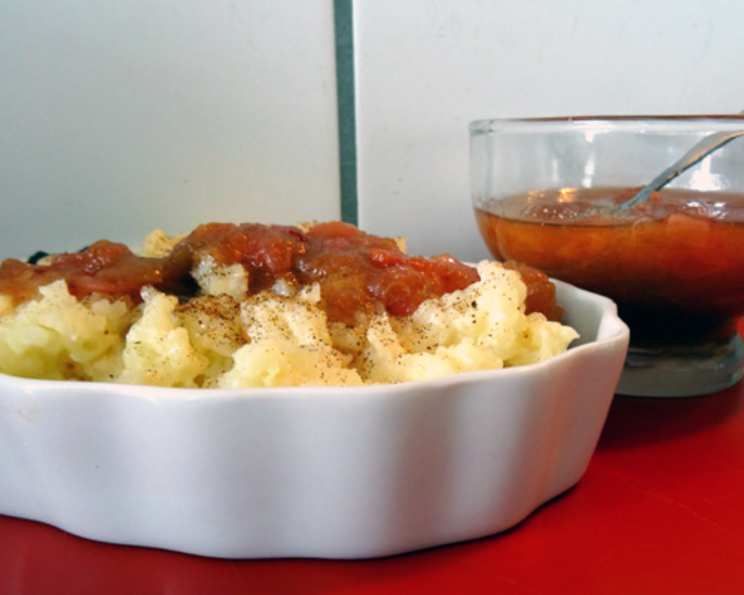
Kisel: A Taste of Eastern European Comfort
The memory swims back to me like a hazy summer afternoon. My grandmother, Baba Elena, humming a quiet tune as she stood by her stove, a cloud of sweet fruit steam enveloping her. In her hands, she held a bowl of vibrant, ruby-red Kisel, its surface shimmering like stained glass. Each spoonful was a burst of tart berries, a comforting warmth that chased away the chills of early autumn. This simple dessert, so deeply rooted in Eastern European tradition, was more than just a sweet treat; it was a tangible expression of love and home.
Recipe Overview
- Prep Time: 15 minutes
- Cook Time: 20 minutes
- Total Time: 35 minutes
- Servings: 6
- Dietary Type: Vegan, Gluten-Free
Ingredients
Here are the ingredients you will need to make a delicious Kisel. We’ll cover three variations: Strawberry, Cranberry, and Rhubarb.
Strawberry Kisel
- 2 ½ pints fresh strawberries, hulls removed
- 2 cups cold water
- ½ – ¾ cup sugar (adjust to taste)
- 1 tablespoon potato starch (dissolved in 1 tablespoon of cold water)
Cranberry Kisel
- 3 cups cranberries
- 2 cups cold water
- ¾ cup sugar (adjust to taste)
- 1 tablespoon potato starch (dissolved in 1 tablespoon of cold water)
Rhubarb Kisel
- 1 ½ lbs rhubarb
- 3 cups cold water
- ¾ cup sugar (adjust to taste)
- 1 tablespoon potato starch (dissolved in 1 tablespoon of cold water)
Equipment Needed
- Enameled or stainless steel saucepan
- Fine-mesh sieve or food mill
- Mixing bowl
- Spoon
- Dessert dishes or glasses
Instructions
Let’s walk through the process of making Kisel, step-by-step. Remember, the process is largely the same for each fruit variation, with slight adjustments to sweetness based on the fruit’s natural tartness.
- Prepare the Fruit: For the Strawberry Kisel, ensure your strawberries are hulled and rinsed. For the Cranberry Kisel, rinse the cranberries thoroughly. For the Rhubarb Kisel, wash the rhubarb, trim the ends, and chop it into 1-inch pieces.
- Cook the Fruit: Place your chosen fruit (either strawberries, cranberries, or rhubarb) in an enameled or stainless steel saucepan. Avoid using aluminum, as it can react with the acidity of the fruit. Pour the appropriate amount of cold water (2 cups for strawberries and cranberries, 3 cups for rhubarb) over the fruit.
- Boil and Simmer: Bring the mixture to a boil over high heat. Once boiling, reduce the heat to low and let it simmer gently for 10-15 minutes, or until the fruit is tender. The strawberries will soften quickly, the cranberries will burst, and the rhubarb will become easily mashable.
- Strain the Pulp: Set a fine-mesh sieve or a food mill over a mixing bowl. Carefully pour the cooked fruit mixture into the sieve. Using the back of a spoon, rub the fruit pulp through the sieve, separating the juice and pulp from the skins and seeds. This step is crucial for achieving the smooth, velvety texture characteristic of Kisel. Don’t discard the leftover pulp; you can use it to make fruit leather or add it to smoothies!
- Sweeten and Thicken: Add sugar to the strained juice in the mixing bowl. Start with ½ cup for the Strawberry Kisel and ¾ cup for the Cranberry and Rhubarb Kisels. Taste the mixture and adjust the amount of sugar according to your preference and the tartness of the fruit. Stir until the sugar is completely dissolved.
- Return to the Pan: Pour the sweetened juice back into the saucepan. Bring it to a boil again over medium heat.
- Add Potato Starch: In a small bowl, dissolve 1 tablespoon of potato starch in 1 tablespoon of cold water. Mix well to ensure there are no lumps. This mixture is your thickening agent.
- Thicken the Kisel: Reduce the heat to moderate. Slowly pour the dissolved potato starch into the boiling juice, stirring constantly with a whisk or spoon. Continue stirring for another 2-3 minutes, or until the Kisel thickens slightly. Be careful not to overcook it, as it will continue to thicken as it cools. The consistency should be similar to a light pudding or a thick sauce.
- Cool and Refrigerate: Remove the Kisel from the heat and let it cool to lukewarm. Pour the Kisel into individual dessert dishes or glasses. Cover them with plastic wrap, pressing it directly onto the surface of the Kisel to prevent a skin from forming.
- Chill: Refrigerate the Kisel for at least 4 hours, or preferably overnight, to allow it to fully set and develop its flavors.
Expert Tips & Tricks
- Adjusting Sweetness: The amount of sugar needed will vary depending on the sweetness of your fruit. Taste the Kisel after adding half the recommended amount of sugar and adjust accordingly.
- Potato Starch Alternatives: While potato starch provides the best clear, glossy finish, you can substitute it with cornstarch if necessary. Use the same amount (1 tablespoon) and dissolve it in cold water before adding it to the boiling juice.
- Preventing Lumps: To ensure the potato starch dissolves smoothly and doesn’t form lumps, make sure the water is cold and mix thoroughly. Pour the mixture into the boiling juice slowly, stirring constantly.
- Achieving the Perfect Texture: The key to a smooth Kisel is to strain the fruit pulp thoroughly. If you don’t have a fine-mesh sieve, you can use a food mill or even a cheesecloth-lined colander.
Serving & Storage Suggestions
Kisel is best served chilled. Garnish it with a sprig of mint, a dollop of whipped cream (dairy or non-dairy), or a sprinkle of fresh berries. For a more traditional presentation, serve it with a side of sweet crackers or cookies.
Leftover Kisel can be stored in an airtight container in the refrigerator for up to 3 days. It’s not recommended to freeze Kisel, as the texture may change upon thawing.
Nutritional Information
Note: These values are estimates and may vary depending on the specific ingredients used.
| Nutrient | Amount per Serving | % Daily Value |
|---|---|---|
| Calories | 150 kcal | 8% |
| Total Fat | 0.2g | 0% |
| Saturated Fat | 0g | 0% |
| Cholesterol | 0mg | 0% |
| Sodium | 5mg | 0% |
| Total Carbohydrate | 35g | 12% |
| Dietary Fiber | 2g | 8% |
| Sugars | 25g | |
| Protein | 0.5g | 1% |
Variations & Substitutions
- Mixed Berry Kisel: Combine different types of berries, such as strawberries, raspberries, and blueberries, for a more complex flavor profile.
- Apple Kisel: Use applesauce or peeled and chopped apples for a comforting autumn treat. Add a pinch of cinnamon or nutmeg for extra warmth.
- Dairy-Free Kisel: Ensure you are using plant-based milk or whipped cream for garnish, if desired.
- Sugar-Free Kisel: Use a sugar substitute like stevia or erythritol to reduce the sugar content. Start with a small amount and adjust to taste.
- Cherry Kisel: Use fresh or frozen cherries. Pitted cherries are recommended for ease of use and enjoyment.
FAQs (Frequently Asked Questions)
Q: Can I use frozen fruit to make Kisel?
A: Yes, frozen fruit works perfectly well. Just thaw it slightly before cooking. You may need to adjust the amount of water slightly, as frozen fruit tends to release more liquid.
Q: How can I make Kisel thicker?
A: If your Kisel isn’t thick enough, dissolve a small amount of extra potato starch (½ teaspoon) in cold water and stir it into the simmering Kisel. Cook for another minute or two, until it reaches the desired consistency.
Q: Can I make Kisel ahead of time?
A: Absolutely! Kisel is a great make-ahead dessert. It will keep in the refrigerator for up to 3 days.
Q: What if my Kisel is too sweet?
A: If your Kisel is too sweet, add a squeeze of lemon juice or a pinch of citric acid to balance the flavors.
Q: Is Kisel suitable for babies or young children?
A: Kisel can be a suitable dessert for babies and young children, but be sure to adjust the sugar content and remove any seeds or skins. Consult with your pediatrician before introducing new foods to your child’s diet.
Final Thoughts
Kisel is more than just a simple fruit dessert; it’s a taste of history, a comforting reminder of home, and a celebration of seasonal flavors. I encourage you to try this recipe and experience the unique and delightful taste of Eastern European tradition. Feel free to experiment with different fruits and flavors to create your own signature Kisel. And, most importantly, share it with loved ones – because the best flavors are always those shared with family and friends. Let me know how it turns out!