
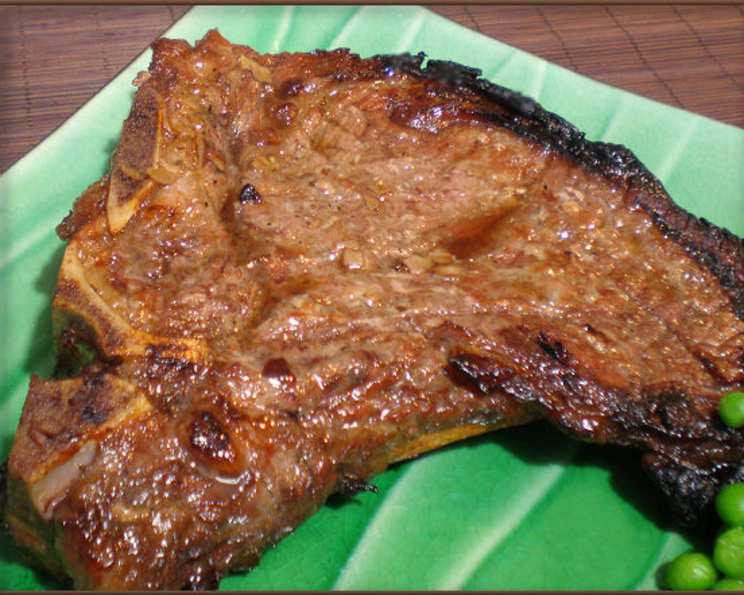
Kittencal’s Beef or Pork Marinade and Tenderizer: The Secret to Unforgettable Flavor
The sizzle of meat hitting a hot grill, the fragrant steam rising, carrying hints of garlic and something subtly sweet… that’s the soundtrack of my childhood summers. My grandfather, a man of few words but a master of the barbecue, had a secret weapon – a marinade he swore by. While he never shared his exact recipe, the incredible tenderness and depth of flavor it imparted always reminded me of this recipe from Kittencal. Over the years, I’ve tweaked and adapted it, but the essence remains the same: a transformative elixir that turns ordinary cuts of beef or pork into culinary gold.
Recipe Overview
- Prep Time: 10 minutes
- Marinating Time: 8-24 hours
- Cook Time: Varies depending on cooking method and cut of meat
- Servings: Varies depending on the cut of meat
- Yields: Enough marinade for 2 pounds of meat
- Dietary Type: Generally suitable for Gluten-Free diets (check Worcestershire sauce label)
Ingredients
- 1/3 cup soy sauce
- 1/4 cup red wine vinegar or 1/4 cup cider vinegar
- 3/4 cup olive oil or 3/4 cup vegetable oil
- 2-3 tablespoons fresh minced garlic
- 1 teaspoon black pepper
- 1/2 teaspoon ginger powder (add more for a stronger ginger flavor)
- 4 tablespoons liquid honey (or 4 tablespoons maple syrup, DO NOT substitute brown sugar or white sugar or pancake syrup)
- 3 tablespoons Worcestershire sauce
- 2 teaspoons powdered meat tenderizer (optional)
Equipment Needed
- Large bowl
- Whisk
- Large resealable plastic bag (optional)
- Fork
Instructions
-
In a large bowl, combine all ingredients except the meat: soy sauce, red wine vinegar (or cider vinegar), olive oil (or vegetable oil), fresh minced garlic, black pepper, ginger powder, liquid honey (or maple syrup), Worcestershire sauce, and optional powdered meat tenderizer.
-
Mix/whisk the ingredients together until they are very well combined. The marinade should appear emulsified, though it might separate slightly as it sits.
-
You can now transfer the marinade to a large resealable plastic bag if desired, or leave it in the large bowl. A plastic bag allows for easier and more even coating of the meat.
-
Pierce the meat all over with a fork. This step is crucial for allowing the marinade to penetrate deep into the meat fibers, maximizing both flavor and tenderness.
-
Add the meat to the marinade, then turn to coat it thoroughly. Ensure all surfaces of the meat are covered in the marinade.
-
Refrigerate for at least 8 hours or overnight. For optimal results, aim for a 24-hour marinating period. The longer the meat marinates, the more tender and flavorful it will become.
-
Remove the meat from the marinade and discard the marinade. Do not reuse the marinade after it has been in contact with raw meat.
-
Allow the beef or pork to sit out on the counter and bring it almost to room temperature. This will relax the meat fibers and make for a more tender and juicy steak or cut of beef or pork. This is a very important step often overlooked! Aim for about 30-60 minutes, depending on the size of the cut.
-
Grill or oven-broil to your desired doneness. Use a meat thermometer to ensure accurate cooking and prevent overcooking. For beef, aim for:
- Rare: 125-130°F
- Medium-Rare: 130-140°F
- Medium: 140-150°F
- Medium-Well: 150-160°F
- Well-Done: 160°F+
For pork, the USDA recommends cooking to an internal temperature of 145°F, followed by a 3-minute rest.
Expert Tips & Tricks
- Garlic Power: Don’t skimp on the fresh garlic! It’s a key component of the marinade’s flavor profile. Pre-minced garlic from a jar can be used, but fresh is always best.
- Acid is Key: The red wine vinegar (or cider vinegar) plays a vital role in tenderizing the meat. The acid helps to break down the tough muscle fibers.
- Oil’s Role: The olive oil (or vegetable oil) helps to carry the flavors of the marinade into the meat. It also helps to prevent the meat from sticking to the grill or pan.
- Honey vs. Maple Syrup: While maple syrup can be substituted for honey, I highly recommend using honey if possible. Honey contains enzymes that further aid in tenderizing the meat, providing a subtle sweetness, and contributing to caramelization during cooking.
- Don’t Over-Marinate: While a longer marinating time is beneficial, avoid marinating for longer than 24 hours. Over-marinating can result in the meat becoming mushy.
- Poking Pays Off: Use a fork to liberally pierce the meat before marinating. This allows the marinade to penetrate deeper and work its magic.
- Spice It Up: For a spicy kick, add a pinch of red pepper flakes or a dash of your favorite hot sauce to the marinade.
- Herbal Infusion: Fresh herbs like rosemary or thyme can be added to the marinade for an extra layer of flavor. Simply tie a sprig of herbs together with kitchen twine and add it to the marinade bag.
- Marinade Reduction: After removing the meat, the marinade can be brought to a boil in a saucepan and reduced to create a flavorful sauce to drizzle over the cooked meat. Be sure to boil for several minutes to eliminate any bacteria from the raw meat.
- Brining Option: For even more moisture, consider brining the meat for a few hours before marinating.
Serving & Storage Suggestions
Serve the marinated and cooked beef or pork hot off the grill or out of the oven. It’s fantastic sliced thinly and served with a side of grilled vegetables, rice, or potatoes.
- Storage: Leftover cooked meat can be stored in an airtight container in the refrigerator for up to 3-4 days.
- Reheating: Reheat gently in a skillet over medium heat or in the microwave. To prevent drying, add a splash of broth or water. You can also reheat in the oven at a low temperature (around 250°F).
- Freezing: Cooked, marinated meat can be frozen for up to 2-3 months. Wrap tightly in plastic wrap and then place in a freezer bag. Thaw overnight in the refrigerator before reheating.
Nutritional Information
(Estimated values per serving, assuming 4 servings per 2 pounds of meat):
| Nutrient | Amount per Serving | % Daily Value |
|---|---|---|
| Calories | 457 kcal | N/A |
| Total Fat | 40.6 g | 62% |
| Saturated Fat | 5.6 g | 28% |
| Cholesterol | 0 mg | 0% |
| Sodium | 1468 mg | 61% |
| Total Carbohydrate | 23.1 g | 8% |
| Dietary Fiber | 0.5 g | 2% |
| Sugars | 19 g | N/A |
| Protein | 3 g | 6% |
Note: Nutritional information is an estimate and may vary depending on the specific ingredients used and portion sizes.
Variations & Substitutions
- Gluten-Free: Ensure the Worcestershire sauce is gluten-free. Many brands now offer gluten-free versions. Tamari can be used instead of soy sauce.
- Low Sodium: Use low-sodium soy sauce to reduce the sodium content.
- Sweetness Adjustment: If you prefer a less sweet marinade, reduce the amount of honey or maple syrup.
- Spice Boost: Add a pinch of red pepper flakes or a dash of your favorite hot sauce for a spicy kick.
- Citrus Zing: Add the juice and zest of one orange or lemon for a bright, citrusy flavor.
- Asian Twist: Add a tablespoon of sesame oil and a pinch of Chinese five-spice powder for an Asian-inspired marinade.
- Herbaceous Flavor: Incorporate fresh herbs like rosemary, thyme, or oregano to enhance the flavor profile.
FAQs (Frequently Asked Questions)
Q: Can I use this marinade on chicken?
A: While this marinade is specifically designed for beef and pork, it can be used on chicken. However, marinate chicken for a shorter period (no more than 6-8 hours) to prevent it from becoming too salty or mushy.
Q: Can I freeze the marinade?
A: It is not recommended to freeze the marinade once it has been in contact with raw meat. You can, however, prepare the marinade and freeze it before adding the meat.
Q: What if I don’t have powdered meat tenderizer?
A: The powdered meat tenderizer is optional. The marinade will still be effective in tenderizing the meat without it, thanks to the acid in the vinegar and the enzymes in the honey.
Q: Can I marinate the meat at room temperature?
A: No, always marinate meat in the refrigerator to prevent bacterial growth.
Q: How do I know when the meat is done cooking?
A: Use a meat thermometer to ensure accurate cooking. Insert the thermometer into the thickest part of the meat, avoiding bone. Refer to the temperature guidelines provided earlier in the recipe.
Final Thoughts
Kittencal’s Beef or Pork Marinade and Tenderizer is more than just a recipe; it’s a passport to flavor town. This simple yet powerful blend of ingredients transforms ordinary cuts of meat into succulent, mouthwatering masterpieces. Whether you’re grilling up some kabobs for a summer barbecue or preparing a tender London broil for a cozy dinner, this marinade will elevate your cooking to new heights. So, gather your ingredients, prepare the marinade, and let the magic happen. I encourage you to experiment with variations and make it your own, and please share your feedback and results! This marinade pairs wonderfully with a crisp salad and a robust red wine. Enjoy!