
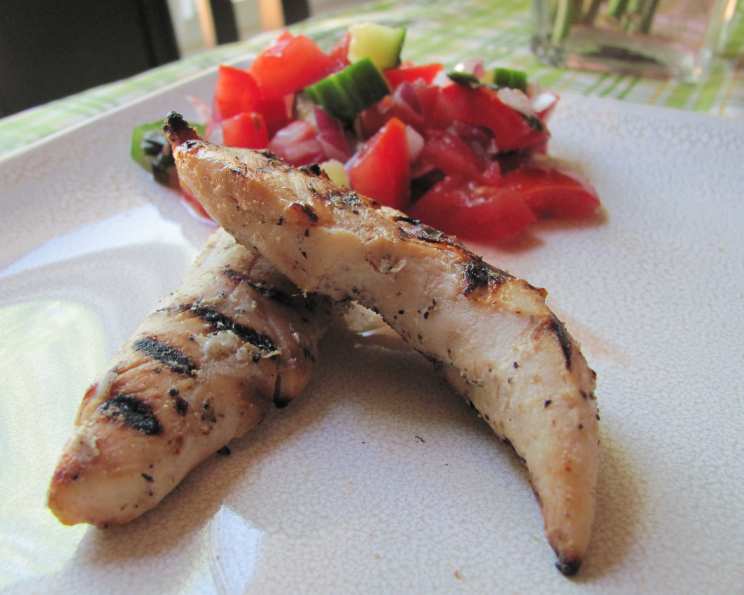
Kittencal’s Buttermilk Poultry Brine: The Secret to Incredibly Juicy Chicken and Turkey
The first time I tasted chicken brined in buttermilk, it was at a summer barbecue hosted by a dear friend from the South. I remember biting into a crispy, golden-brown drumstick and being immediately struck by the tenderness and juiciness of the meat. It wasn’t just cooked perfectly; it was infused with flavor from the inside out. I peppered her with questions until she finally revealed her secret: a buttermilk brine that she swore by for all things poultry. Now, years later, I’ve perfected my own version, drawing inspiration from that first unforgettable bite, and I’m thrilled to share it with you. Get ready for poultry perfection!
Recipe Overview
- Prep Time: 10 minutes
- Marinating Time: 8-24 hours
- Yield: Approximately 1 quart brine
- Dietary Type: Varies based on application (see notes)
Ingredients
- 1 quart buttermilk
- 1 small onion, finely chopped (or use ½ cup chopped shallots)
- 2 tablespoons chopped fresh garlic (or use 2 teaspoons garlic powder)
- 2 tablespoons kosher salt
- 2 tablespoons sugar
- 1 teaspoon cumin (can use up to 1 tablespoon) (optional)
- 1 ½ teaspoons black pepper
Equipment Needed
- Large bowl or container
- Whisk or spoon
- Measuring cups and spoons
- Resealable plastic bag or airtight container for marinating
Instructions
-
In a large bowl, combine the buttermilk, finely chopped onion (or shallots), chopped fresh garlic (or garlic powder), kosher salt, sugar, cumin (if using), and black pepper.
-
Whisk (or stir vigorously) all the ingredients together until the sugar and salt are completely dissolved. This step is crucial to ensure the brine fully penetrates the poultry.
-
Rinse the chicken or turkey pieces under cold water.
-
Pat the poultry dry thoroughly with paper towels. Removing excess moisture allows the brine to adhere better and prevents a soggy outcome.
-
Place the chicken or turkey pieces in the buttermilk mixture.
-
Using clean hands or tongs, toss the poultry to ensure it is completely coated in the buttermilk brine. Make sure the brine gets into all the nooks and crannies.
-
Cover the bowl or transfer the brined poultry to a resealable plastic bag or airtight container.
-
Refrigerate for a minimum of 8 hours, or up to 24 hours. This allows the buttermilk to tenderize the meat and infuse it with flavor. Don’t exceed 24 hours, or the chicken may become too soft.
-
Before cooking, rinse the chicken or turkey quickly and just slightly under cold water to remove any excess onions and garlic, if desired. This will prevent them from burning during cooking.
-
Grill, oven-bake, fry, or cook the brined poultry as desired, following your favorite recipe. Remember that brined poultry cooks faster than unbrined poultry, so monitor the internal temperature closely.
Expert Tips & Tricks
- Don’t over-brine: While brining is essential for juicy poultry, exceeding the recommended time (24 hours) can result in overly salty or mushy meat.
- Adjust the seasoning: Feel free to adjust the amount of cumin or black pepper to suit your taste. A pinch of cayenne pepper can also add a subtle kick.
- Use kosher salt: Kosher salt dissolves more easily than table salt and doesn’t contain iodine, which can impart a metallic taste.
- Brine in a food-safe container: Avoid using reactive materials like aluminum, which can interact with the acidic buttermilk. Glass, stainless steel, or food-grade plastic containers are ideal.
- Maintain a safe temperature: Always brine poultry in the refrigerator to prevent bacterial growth.
- For even more flavor: Try adding a few sprigs of fresh thyme or rosemary to the brine. Citrus zest (lemon or orange) also adds a bright, aromatic note.
- Double the recipe: This brine recipe is enough for about 4 pounds of chicken pieces. You can easily double or triple the recipe to accommodate a whole chicken or a small turkey.
Serving & Storage Suggestions
Serve your brined and cooked chicken or turkey immediately for the best flavor and texture. The poultry will be incredibly juicy and flavorful, perfect for enjoying on its own or as part of a larger meal.
Leftover cooked chicken or turkey can be stored in an airtight container in the refrigerator for up to 3-4 days. Reheat gently in the oven, microwave, or skillet until heated through.
It is not recommended to freeze leftover brined, uncooked poultry, as the texture may be affected. However, cooked chicken freezes very well.
Nutritional Information
(Estimated, per serving of brine – values will vary significantly depending on the amount of brine absorbed by the poultry)
| Nutrient | Amount per Serving (estimated) | % Daily Value |
|---|---|---|
| Calories | 50 kcal | 2% |
| Total Fat | 2g | 3% |
| Saturated Fat | 1g | 5% |
| Cholesterol | 5mg | 2% |
| Sodium | 1200mg | 50% |
| Total Carbohydrate | 6g | 2% |
| Dietary Fiber | 0g | 0% |
| Sugars | 5g | N/A |
| Protein | 3g | 6% |
Variations & Substitutions
- Dairy-Free Option: While this recipe is centered around buttermilk, you could experiment with a plant-based “buttermilk” by combining non-dairy milk (almond, soy, or oat) with lemon juice or apple cider vinegar. Let it sit for a few minutes to curdle before adding the other ingredients. The results won’t be identical, but it can still impart some tenderness and flavor.
- Spice it Up: Add a pinch of cayenne pepper or a dash of hot sauce to the brine for a fiery kick.
- Herbal Infusion: Experiment with different herbs like thyme, rosemary, sage, or oregano to customize the flavor profile.
- Citrus Zest: Add the zest of a lemon, lime, or orange to the brine for a bright and zesty flavor.
- Maple Syrup: Substitute maple syrup for the sugar for a richer, more complex sweetness.
FAQs (Frequently Asked Questions)
Q: Can I use this brine for other types of meat?
A: While this brine is specifically designed for poultry, you can experiment with using it on pork. However, be mindful of the brining time, as pork may require less time than chicken.
Q: Can I reuse the buttermilk brine?
A: No, it is not safe to reuse the brine after it has been in contact with raw poultry. Discard any leftover brine immediately to prevent cross-contamination.
Q: What if I don’t have buttermilk?
A: You can make a quick substitute by adding 1 tablespoon of white vinegar or lemon juice to 1 cup of milk. Let it stand for 5-10 minutes until it slightly thickens and curdles.
Q: How do I know when the chicken is done cooking after brining?
A: Use a meat thermometer to ensure the internal temperature reaches 165°F (74°C) in the thickest part of the chicken, away from the bone. Brined chicken will often cook faster, so monitor it closely.
Q: The brine seems very salty. Is that normal?
A: Yes, the salt is essential for the brining process. However, be sure to use kosher salt and measure accurately. Rinsing the chicken briefly before cooking will also help to remove any excess salt.
Final Thoughts
This buttermilk poultry brine is a game-changer, and I can’t wait for you to experience the difference it makes. The result is chicken or turkey that’s not only incredibly moist and tender but also bursting with flavor. Whether you’re grilling, baking, or frying, this brine will elevate your poultry dishes to a whole new level. Don’t be afraid to experiment with the seasonings and herbs to create your own signature version. Share your culinary creations and feedback – I’m eager to hear about your experiences. And consider pairing your perfectly brined chicken with a side of creamy mashed potatoes and roasted vegetables for a truly unforgettable meal! Happy cooking!