
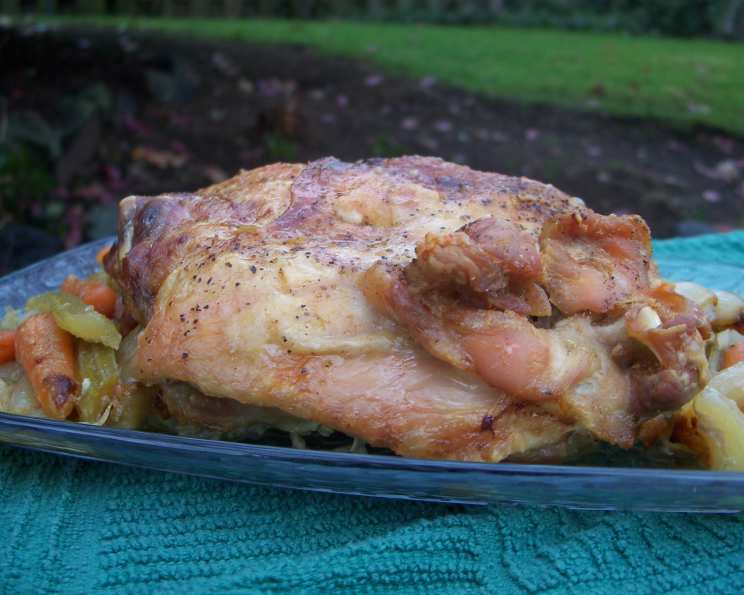
Kittencal’s Moist Oven Roasted Turkey Breast: A Thanksgiving Staple
My grandmother, Elsie, had a way with a roast turkey. It wasn’t just the aroma that permeated the entire house, a heady blend of roasting bird, herbs, and hope, it was the feeling that accompanied it. Every Thanksgiving, as a child, I remember sneaking into the kitchen, drawn by the savory scent, and Elsie would always be there, basting the turkey with meticulous care. She taught me that the key to a perfect turkey was more than just technique; it was about the love and intention you put into it. While Elsie’s whole turkey was a magnificent undertaking, sometimes, like now, a simple, perfectly roasted turkey breast is all you need, and this recipe brings back all of those comforting memories.
Recipe Overview
- Prep Time: 15 minutes
- Cook Time: 2 hours 30 minutes
- Total Time: 2 hours 45 minutes
- Servings: 6-8
- Yield: 1 roasted turkey breast
- Dietary Type: Generally Gluten-Free (check broth ingredients)
Ingredients
- 1 cup chicken broth (more if needed while roasting)
- 1 (6 lb) fresh turkey breast (with skin left on and if possible bone in)
- 3 tablespoons butter (very soft but not melted)
- ½ – 1 teaspoon garlic powder
- Salt & freshly ground black pepper (to taste)
- 1 large celery rib, cut into thirds
- 1 large carrot, peeled and cut into chunks (about 1-1/2 to 2 inches)
- 2 onions, peeled and quartered (do not chop)
Equipment Needed
- Roasting pan (just large enough to hold the breast and vegetables)
- Meat thermometer
- Small piece of aluminum foil
- Cutting board
- Fine colander (for gravy, optional)
- Saucepan (for gravy, optional)
Instructions
- Preheat your oven to 325 degrees F (160 degrees C).
- Prepare your roasting pan: Lightly grease a roasting pan that’s just large enough to comfortably hold the turkey breast and the vegetables. Avoid using an overly large roasting pan.
- Pour 1 cup of chicken broth into the bottom of the prepared roasting pan.
- Prepare the turkey breast: Thoroughly rinse the turkey breast under cold running water. Pat it completely dry with paper towels.
- Make the butter mixture: In a small bowl, combine the softened (but not melted) butter with the garlic powder.
- Season the turkey: Using your hands, generously rub the soft butter mixture all over the turkey breast, including underneath the skin, if possible. This will help to create a beautifully crisp and flavorful skin.
- Season generously with salt and then lightly with black pepper. Be generous with the salt, as it enhances the overall flavor of the turkey.
- Prepare the vegetable base: Scatter the celery, carrots, and quartered onions evenly into the bottom of the roasting pan, on top of the chicken broth. These vegetables will add flavor to the pan drippings and the turkey itself.
- Position the turkey: Place the turkey breast, skin-side up, directly on top of the bed of vegetables in the roasting pan.
- Shield the breast: Cover only the turkey breast with a small piece of aluminum foil, creating a tent. This will help prevent the skin from browning too quickly during the initial roasting phase.
- Roast with foil: Roast the covered turkey breast in the preheated oven for 30-35 minutes.
- Remove the foil: Carefully remove the aluminum foil from the top of the turkey breast.
- Continue roasting: Continue to roast the uncovered turkey breast for approximately 2 hours, or until a meat thermometer inserted into the thickest part of the breast, away from the bone, registers 160 degrees F (71 degrees C).
- Monitor the broth: Throughout the roasting process, check the liquid level in the bottom of the pan. If the broth evaporates, add more as needed to prevent the vegetables from burning and to keep the turkey moist.
- Rest the turkey: Once the turkey breast reaches 160 degrees F, transfer it to a cutting board. The internal temperature will continue to rise to 170 degrees F (77 degrees C) as it rests. Loosely tent the turkey breast with aluminum foil and let it rest for at least 15-20 minutes before carving. This allows the juices to redistribute, resulting in a more tender and flavorful final product.
- Make gravy (optional): If you are planning to make gravy, discard the roasted vegetables (or save them to eat if you prefer). Drain the pan juices through a fine colander into a saucepan. Allow the juices to cool slightly, then skim off any excess fat. Use the pan drippings as the base for your favorite gravy recipe.
Expert Tips & Tricks
- Fresh is Best: For the most flavorful and tender results, it is strongly recommended to use a fresh turkey breast that has not been previously frozen and thawed.
- Butter Matters: Using high-quality butter makes a difference in flavor. Opt for unsalted butter so you can control the salt level.
- Crispy Skin: To ensure maximum crispiness, pat the turkey breast extremely dry before applying the butter mixture. The drier the skin, the better it will crisp up.
- Don’t Overcook: Overcooked turkey is dry turkey. Rely on your meat thermometer and pull the breast from the oven when it reaches 160 degrees F, as it will continue to cook as it rests.
- Enhance the Flavor: Consider adding fresh herbs like thyme, rosemary, or sage to the cavity of the turkey breast or under the skin for an extra layer of flavor.
- Basting is Optional: While some cooks swear by basting, it’s not strictly necessary for this recipe. Opening the oven door frequently can lower the temperature and extend the cooking time. The butter rub and adequate broth in the pan should keep the turkey moist.
Serving & Storage Suggestions
Serve the roasted turkey breast sliced and arranged artfully on a platter. Garnish with fresh herbs, such as parsley or thyme sprigs, for a pop of color. Serve alongside classic Thanksgiving sides like mashed potatoes, stuffing, cranberry sauce, and green bean casserole.
Leftover turkey should be stored in an airtight container in the refrigerator. It will keep for 3-4 days. You can also freeze leftover turkey for up to 2-3 months. Reheat sliced turkey in a covered dish in the oven with a little broth to prevent it from drying out. Alternatively, you can reheat it in a microwave, also with a splash of broth.
Nutritional Information
| Nutrient | Amount per Serving | % Daily Value |
|---|---|---|
| Calories | 791.7 kcal | N/A |
| Calories from Fat | 341 g | 43% |
| Total Fat | 37.9 g | 58% |
| Saturated Fat | 12.4 g | 62% |
| Cholesterol | 310.1 mg | 103% |
| Sodium | 461.2 mg | 19% |
| Total Carbohydrate | 5.2 g | 1% |
| Dietary Fiber | 1.1 g | 4% |
| Sugars | 2.5 g | 9% |
| Protein | 100.8 g | 201% |
Variations & Substitutions
- Herb Butter: Instead of garlic powder, mix the softened butter with fresh herbs like rosemary, thyme, and sage for a more complex flavor profile.
- Citrus Infusion: Add slices of lemon or orange under the skin of the turkey breast for a bright, citrusy aroma and flavor.
- Smoked Paprika: For a smoky twist, add a teaspoon of smoked paprika to the butter mixture.
- Gluten-Free: Ensure the chicken broth you use is certified gluten-free if you need to avoid gluten.
- Bone-in vs. Boneless: While the recipe calls for a bone-in turkey breast for maximum flavor, you can use a boneless turkey breast if preferred. Adjust the cooking time accordingly, as boneless breasts tend to cook faster.
- Spice Rub: Instead of the butter rub, try a dry spice rub made with a blend of salt, pepper, paprika, garlic powder, onion powder, and your favorite herbs.
FAQs (Frequently Asked Questions):
Q: How do I keep the turkey breast from drying out?
A: The key is not to overcook it! Use a meat thermometer and pull the turkey from the oven when it reaches 160 degrees F, as it will continue to cook as it rests. Also, make sure there’s enough broth in the bottom of the pan to keep the environment moist.
Q: Can I use a frozen turkey breast for this recipe?
A: While it’s best to use a fresh turkey breast, you can use a frozen one. Make sure it’s completely thawed before cooking and pat it dry thoroughly.
Q: How long should I let the turkey breast rest after cooking?
A: Let it rest for at least 15-20 minutes before carving. This allows the juices to redistribute, resulting in a more tender and flavorful final product.
Q: Can I make gravy from the pan drippings?
A: Absolutely! The pan drippings are perfect for making a delicious gravy. Just strain them, skim off the fat, and use them as the base for your favorite gravy recipe.
Q: My turkey breast browned too quickly. What should I do?
A: If the turkey breast is browning too quickly, tent it loosely with aluminum foil to shield it from the heat.
Final Thoughts
This recipe for Kittencal’s Moist Oven Roasted Turkey Breast is a reliable and delicious way to enjoy a classic Thanksgiving flavor without the fuss of roasting a whole turkey. It’s a perfect option for smaller gatherings, weeknight dinners, or anytime you crave the taste of roasted turkey. Don’t be afraid to experiment with different herbs and spices to create your own signature flavor. I encourage you to try this recipe and share your feedback! Pair it with a crisp white wine or a comforting glass of Pinot Noir for the ultimate experience.