
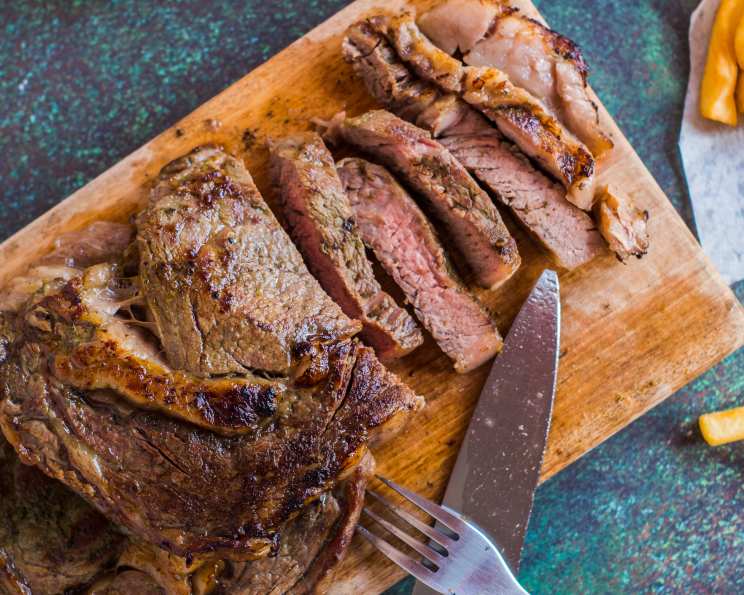
Kittencal’s Pan-Seared Steak: The Stove Top-to-Oven Method
I remember the first time I attempted a truly impressive steak. It was for my anniversary, and I was determined to recreate the melt-in-your-mouth perfection I’d savored at a high-end steakhouse. I experimented with countless techniques, each yielding slightly disappointing results – until I discovered the magic of searing on the stovetop and finishing in the oven. The even cooking and deep, rich crust it creates transformed my steak game forever, and now, years later, it’s my go-to method for a steakhouse-quality meal at home.
Recipe Overview
- Prep Time: 1 hour 30 minutes (plus resting time)
- Cook Time: 5-21 minutes
- Total Time: 1 hour 35-51 minutes (plus resting time)
- Servings: 1
- Yield: 1 steak
- Dietary Type: High-Protein
Ingredients
- 1 – 1 1/2 tablespoons vegetable oil
- 1 boneless beef steak (1-1/2 pounds and cut 2-1/2 inches thick, New York or rib-eye cut)
- Garlic powder (optional)
- Freshly ground cracked black pepper (use as much as desired)
- 1 – 1 1/2 tablespoons butter
- Salt (used only after cooking)
Equipment Needed
- Cast-iron or heavy oven-proof skillet
- Paper towels
- Tongs
- Instant-read thermometer
- Plate
- Aluminum foil
Instructions
-
Begin by patting the beef steak dry with paper towels. This crucial step helps to achieve a superior sear.
-
Generously season the steak with freshly ground cracked black pepper. You can also optionally add garlic powder at this stage for an extra layer of flavor.
-
Allow the seasoned steak to sit at room temperature for 1 to 1-1/2 hours. This is vital! Bringing the steak to room temperature relaxes the muscle fibers, resulting in a more tender and juicy final product.
-
Preheat your oven to 400 degrees F (200 degrees C).
-
Place your cast-iron skillet or heavy oven-proof skillet over medium-high heat. Add the vegetable oil to the pan and heat until it just begins to lightly smoke. The oil should shimmer and be hot enough to create a beautiful sear.
-
Carefully place the steak in the heated skillet. Sear the steak over medium-high heat until a dark, rich crust has formed – approximately 5-6 minutes per side. Monitor the heat closely. If the steak is browning too quickly, reduce the heat slightly. Conversely, if you prefer a lighter crust, reduce the searing time slightly.
-
After searing for 5-6 minutes on each side, use tongs to lift the steak and brown the edges, if desired. This adds another layer of flavor and visual appeal.
-
Return the steak to lay flat in the pan.
-
Transfer the skillet directly to the preheated oven. Cook until an instant-read thermometer inserted into the thickest part of the steak registers your desired doneness. Oven cooking time will vary from 5-15 minutes depending on the desired doneness.
- For medium-rare: 140-145 degrees F (60-63 degrees C)
- For medium: 155-160 degrees F (68-71 degrees C)
Remember that the internal temperature of the steak will continue to rise slightly after it’s removed from the oven, so it’s best to pull the pan out just before reaching your desired doneness.
-
Using tongs (avoid using a fork, as piercing the steak will cause the juices to escape), transfer the steak to a plate.
-
Immediately spread the top of the steak with butter and season lightly with salt.
-
Cover the steak loosely with aluminum foil and allow it to rest for about 5-6 minutes. This resting period is crucial as it allows the juices to redistribute throughout the steak, resulting in a more flavorful and tender bite.
-
Slice the steak across the grain to maximize tenderness. Serve immediately and enjoy!
Expert Tips & Tricks
- Don’t overcrowd the pan: if you’re cooking multiple steaks, do it in batches to ensure proper searing. Overcrowding lowers the pan temperature, resulting in a steamed, not seared, steak.
- Use a high-smoke-point oil: Vegetable oil, canola oil, or avocado oil are all excellent choices for searing at high temperatures.
- The quality of the steak matters: Choose a well-marbled cut like ribeye or New York strip for the best flavor and tenderness.
- For an even deeper flavor, consider adding a sprig of rosemary or thyme to the pan during the searing process.
- If you don’t have a cast iron skillet, make sure whatever skillet you use is oven-safe before putting it in the oven. Some skillets can melt or warp.
Serving & Storage Suggestions
Serve your perfectly pan-seared steak immediately for the best flavor and texture. It pairs wonderfully with classic sides like roasted potatoes, asparagus, or a fresh salad. For a more indulgent experience, consider serving it with a rich red wine sauce or a creamy horseradish sauce.
Leftover steak can be stored in an airtight container in the refrigerator for up to 3-4 days. To reheat, gently warm it in a skillet over low heat or in a preheated oven at 300 degrees F (150 degrees C) until heated through. Avoid microwaving, as it can make the steak tough and dry.
Nutritional Information
| Nutrient | Amount per Serving | % Daily Value |
|---|---|---|
| Calories | 222 kcal | N/A |
| Calories from Fat | 226 g | 102% |
| Total Fat | 25.1 g | 38% |
| Saturated Fat | 9.1 g | 45% |
| Cholesterol | 30.5 mg | 10% |
| Sodium | 101.4 mg | 4% |
| Total Carbohydrate | 0 g | 0% |
| Dietary Fiber | 0 g | 0% |
| Sugars | 0 g | 0% |
| Protein | 0.1 g | 0% |
Note: Nutritional information is an estimate and may vary based on specific ingredients and cooking methods.
Variations & Substitutions
- Herb Butter: Infuse the butter with fresh herbs like rosemary, thyme, or garlic for a more complex flavor.
- Spice Rub: Experiment with different spice rubs before searing the steak. Try a blend of paprika, cumin, chili powder, and brown sugar for a smoky flavor.
- Deglaze the Pan: After searing the steak, deglaze the pan with red wine or beef broth to create a delicious pan sauce.
FAQs (Frequently Asked Questions)
Q: Why is it important to let the steak come to room temperature before cooking?
A: Letting the steak sit at room temperature relaxes the muscle fibers, which allows it to cook more evenly and results in a more tender and juicy steak.
Q: Can I use a different type of skillet if I don’t have a cast-iron skillet?
A: Yes, you can use any heavy oven-proof skillet. However, cast-iron skillets are ideal because they retain heat well and distribute it evenly, creating a superior sear.
Q: How do I know when the steak is done?
A: The best way to ensure your steak is cooked to your desired doneness is to use an instant-read thermometer. Insert the thermometer into the thickest part of the steak, avoiding bone, and check the internal temperature.
Q: Why do I need to rest the steak after cooking?
A: Resting the steak allows the juices to redistribute throughout the meat, resulting in a more flavorful and tender bite. If you cut into the steak immediately after cooking, the juices will run out, leaving you with a drier steak.
Q: Can I use this method for other cuts of beef?
A: Yes, this method works well for other thick-cut steaks like filet mignon or porterhouse. Just be sure to adjust the cooking time according to the thickness of the steak and your desired doneness.
Final Thoughts
Perfecting the art of the pan-seared, oven-finished steak is a rewarding culinary journey. Don’t be afraid to experiment with different seasonings and techniques to find what works best for you. This method, once mastered, will impress your friends and family and transform your weeknight dinners into steakhouse experiences. So, fire up that skillet, grab your favorite cut of beef, and prepare to enjoy a truly unforgettable meal! Share your creations and feedback – happy cooking!