
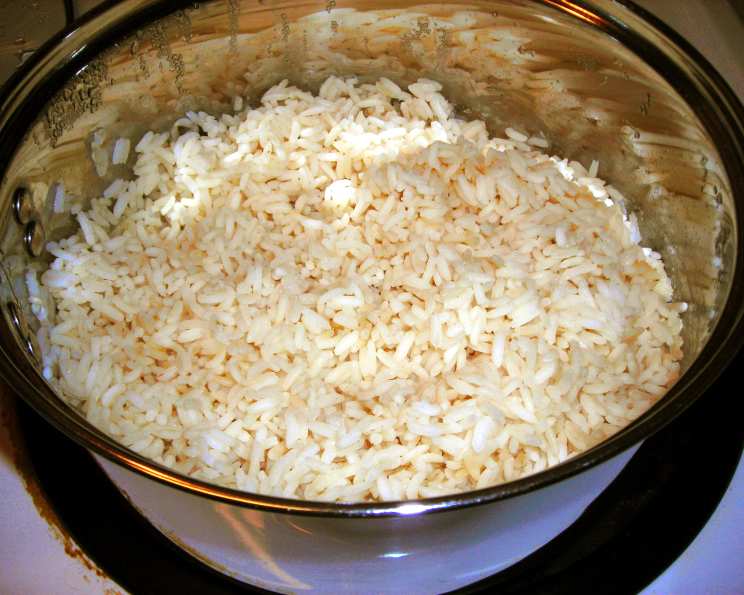
Kittencal’s Perfect Cooked White Rice (Soft, Medium or Firm)
I still remember my grandmother’s unwavering dedication to perfectly cooked rice. Every single grain was separate, fluffy, and subtly seasoned. It was the unsung hero of every family meal, the humble base that elevated everything from simple stir-fries to celebratory stews. It wasn’t until I was much older and a fledgling chef myself that I truly appreciated the technique behind that seemingly effortless perfection. This recipe is a tribute to her patient method, adapted to achieve that same wonderful result every time.
Recipe Overview
- Prep Time: 5 minutes
- Cook Time: 40 minutes
- Total Time: 45 minutes
- Servings: 4-6
- Dietary Type: Vegan, Gluten-Free, Dairy-Free
Ingredients
- 1 cup uncooked long-grain white rice
- Cold water (see instructions for varying amounts)
- 1/2 teaspoon salt
Equipment Needed
- Fine-mesh strainer
- 2-quart saucepan with lid
- Fork
Instructions
- First, decide on your desired rice texture. For firm rice (ideal for stir-fries), you’ll use 1 3/4 cups of cold water. For medium rice, use 2 cups less 2 tablespoons of cold water. For soft rice, use 2 cups of cold water.
- Place the uncooked rice in a fine-mesh strainer. Rinse thoroughly under cold water until the water runs clear. This step is crucial for removing excess starch, which can lead to sticky rice. Drain the rice very well after rinsing.
- Transfer the rinsed rice to a 2-quart saucepan and spread it out evenly to cover the bottom of the pan.
- Pour the cold water over the rice according to your desired texture, then sprinkle the salt evenly over the top. Do not stir.
- Bring the rice to a full, rolling boil uncovered over medium-high heat. Keep a close eye on it to ensure it doesn’t boil over.
- Once the rice is at a full boil, immediately reduce the heat to medium-low (towards the lower setting) and simmer uncovered for 20 minutes, or until all the water has been absorbed. To check, gently push aside a few grains of rice with a fork. If there is no visible moisture or water at the bottom of the pot, it is ready. Remember, do not stir the rice during this cooking process.
- Turn off the heat completely, cover the saucepan with a lid, and let the rice stand on the element (or removed from the element) for 20 minutes. This step is vital as it allows the rice to steam and finish cooking, resulting in a more even texture.
- After the 20-minute rest, fluff the rice gently with a fork to separate the grains. This prevents clumping and ensures a light and airy texture. Serve immediately.
Expert Tips & Tricks
- Rinsing is Key: Don’t skip the rinsing step! It makes a world of difference in the final texture of your rice. The clearer the water, the less sticky the rice.
- No Peeking! Resist the urge to lift the lid during the simmering process. This releases steam and can affect the cooking time and texture.
- The Right Pan: A heavy-bottomed saucepan helps distribute heat evenly, preventing scorching.
- Even Cooking: Ensure your stovetop burner provides even heat distribution. Uneven heat can lead to some parts of the rice being overcooked while others are undercooked.
- Adjusting for Altitude: Cooking times may vary slightly depending on your altitude. Start with the recommended time, but keep an eye on the rice towards the end of the simmering process. You may need to add a tablespoon or two of water if the rice seems dry before the 20 minutes are up.
- Flavor Boost: Add a bay leaf or a sprig of thyme to the water while cooking for a subtle aromatic flavor. Remember to remove it before serving. You could also use chicken or vegetable broth instead of water for an enriched flavor.
Serving & Storage Suggestions
Serve Kittencal’s Perfect Cooked White Rice as a side dish with stir-fries, curries, roasted meats, grilled vegetables, or as a base for grain bowls. You can also use it to make fried rice, rice pudding, or stuffings.
Leftover cooked rice can be stored in an airtight container in the refrigerator for up to 4 days. To reheat, add a tablespoon of water per cup of rice to a microwave-safe dish, cover, and microwave in 30-second intervals, stirring in between, until heated through. You can also reheat it in a saucepan over low heat with a splash of water.
For longer storage, cooked rice can be frozen. Spread the cooked rice in a single layer on a baking sheet and freeze for about an hour, or until solid. Transfer the frozen rice to a freezer-safe bag or container. It can be stored in the freezer for up to 2 months. To reheat, add the frozen rice directly to a hot pan with a little oil or broth and stir-fry until heated through. You can also microwave it with a little water, as described above.
Nutritional Information
| Nutrient | Amount per Serving | % Daily Value |
|---|---|---|
| Calories | 168.8 kcal | N/A |
| Calories from Fat | 2 g | N/A |
| Total Fat | 0.3 g | 0% |
| Saturated Fat | 0.1 g | 0% |
| Cholesterol | 0 mg | 0% |
| Sodium | 293 mg | 12% |
| Total Carbohydrate | 37 g | 12% |
| Dietary Fiber | 0.6 g | 2% |
| Sugars | 0.1 g | 0% |
| Protein | 3.3 g | 6% |
Note: Nutritional information is an estimate and may vary based on specific ingredients and portion sizes.
Variations & Substitutions
- Brown Rice: While this recipe is specifically for long-grain white rice, the general principles can be adapted for brown rice. Brown rice requires more water and a longer cooking time. A good starting point is 2 1/4 cups of water per cup of brown rice, and a cooking time of 45-50 minutes.
- Jasmine or Basmati Rice: These aromatic rice varieties can be used, but may require slightly different water ratios and cooking times. Follow the package instructions as a guide.
- Coconut Rice: Substitute coconut milk for some or all of the water for a rich and flavorful coconut rice.
- Herb Infused Rice: Add fresh herbs like rosemary, thyme, or bay leaf to the cooking water for an aromatic twist.
- Saffron Rice: Add a pinch of saffron threads to the cooking water for a vibrant yellow color and subtle flavor.
- Garlic Rice: Sauté minced garlic in a little oil before adding the rice and water for a savory garlic rice.
FAQs (Frequently Asked Questions)
Q: Why is it important to rinse the rice?
A: Rinsing removes excess starch from the surface of the rice grains. This prevents the rice from becoming sticky and gummy during cooking, resulting in separate and fluffy grains.
Q: Can I use short-grain rice with this method?
A: This recipe is specifically formulated for long-grain white rice. Short-grain rice, like sushi rice, has a higher starch content and requires a different cooking method.
Q: What happens if I stir the rice while it’s cooking?
A: Stirring the rice releases more starch, which can cause it to stick to the bottom of the pan and become mushy.
Q: How do I know if the rice is done cooking?
A: The rice is done when all the water has been absorbed and the grains are tender but still slightly firm. Push aside a few grains with a fork to check for any remaining water at the bottom of the pot.
Q: Can I make this recipe in a rice cooker?
A: Yes, you can adapt this recipe for a rice cooker. Follow the manufacturer’s instructions for water ratios and cooking times. However, the stovetop method allows for more precise control over the cooking process.
Final Thoughts
Mastering perfectly cooked rice is a foundational skill that will elevate your cooking. Don’t be intimidated by the details—with a little practice, you’ll be able to consistently produce fluffy, delicious rice that complements any meal. I encourage you to try this method, experiment with different variations, and find the perfect rice texture that suits your taste. Feel free to share your experiences and any tips you discover along the way! Good luck, and happy cooking!