
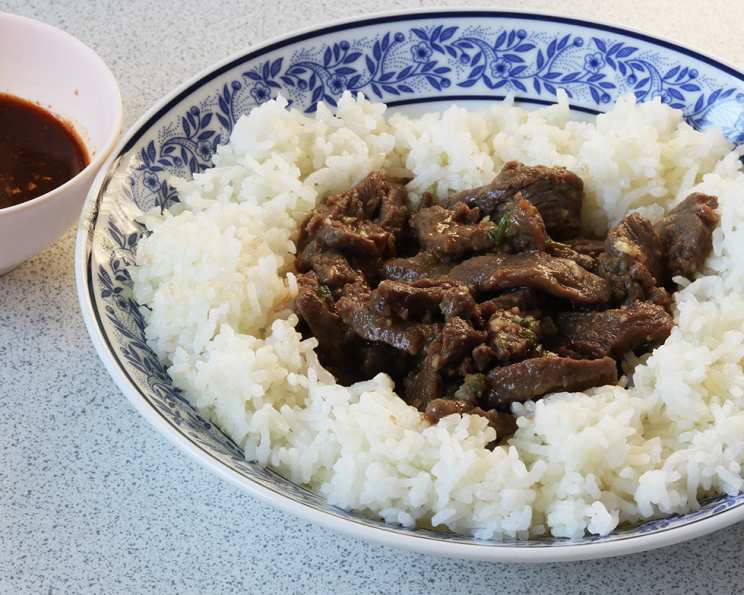
Korean Beef Bulgogi: A Taste of Seoul in Your Kitchen
I remember the first time I tasted Bulgogi. I was wandering through the bustling streets of Seoul, the air thick with the aroma of grilled meats and spices. A small, family-run restaurant beckoned me in, and I hesitantly ordered what seemed to be the most popular dish – Bulgogi. The thinly sliced, marinated beef, sizzling on a tabletop grill, was unlike anything I’d ever tasted. The sweet and savory flavors, the tenderness of the meat, and the communal experience of grilling and sharing made an unforgettable impression. From that moment, I was hooked, and I’ve been striving to recreate that magical experience in my own kitchen ever since.
Recipe Overview
- Prep Time: 30 minutes
- Cook Time: 10-15 minutes
- Total Time: 45 minutes
- Servings: 4-6
- Dietary Type: Not Gluten-Free (due to soy sauce)
Ingredients
For the Bulgogi Marinade:
- ¼ cup Korean soy sauce
- 3 tablespoons sugar
- 1 tablespoon vegetable oil
- 1 teaspoon sesame oil
- 1 teaspoon toasted sesame seeds
- 3 medium garlic cloves, crushed
- 3 green onions, chopped (including greens)
For the Beef:
- 2 lbs sirloin
For the Dipping Sauce:
- 6 tablespoons Korean soy sauce
- 2 tablespoons rice vinegar
- 1 teaspoon fresh ginger, grated
- 2 teaspoons crushed toasted sesame seeds
- ¼ teaspoon cayenne pepper
- ¼ teaspoon sweet paprika
- 1 pinch sugar
Equipment Needed
- Large mixing bowl
- Sharp knife
- Grill or large skillet
Instructions
-
Prepare the Marinade: In a large mixing bowl, combine the Korean soy sauce, sugar, vegetable oil, sesame oil, toasted sesame seeds, crushed garlic, and chopped green onions. Whisk well until the sugar is mostly dissolved. This marinade is the key to the distinctive flavor of Bulgogi, so make sure everything is well incorporated.
-
Slice the Beef: The key to truly tender Bulgogi is paper-thin slices of sirloin. Partially freezing the meat for about 30-45 minutes makes it much easier to slice thinly. Using a very sharp knife, slice the sirloin against the grain into thin slices, about 1/8 inch thick. Slicing against the grain shortens the muscle fibers, resulting in a more tender final product.
-
Marinate the Beef: Add the thinly sliced sirloin to the marinade. Gently toss to ensure all the beef is evenly coated. Cover the bowl and marinate in the refrigerator for at least 30 minutes. Longer marinating times (up to a few hours) will result in even more flavorful and tender beef.
-
Prepare the Dipping Sauce: While the beef is marinating, prepare the dipping sauce. In a small bowl, whisk together the Korean soy sauce, rice vinegar, grated fresh ginger, crushed toasted sesame seeds, cayenne pepper, sweet paprika, and a pinch of sugar. Cover and refrigerate the dipping sauce until ready to serve. The dipping sauce adds a bright, tangy, and slightly spicy element that perfectly complements the rich Bulgogi.
-
Cook the Bulgogi: Heat your grill or a large skillet over medium-high heat. If using a grill, make sure the grates are clean and lightly oiled to prevent sticking. If using a skillet, add a small amount of vegetable oil.
-
Grill or Pan-Fry: Working in batches, add the marinated beef to the hot grill or skillet in a single layer. Avoid overcrowding the pan, as this will lower the temperature and cause the beef to steam instead of sear. Cook for 2-3 minutes per side, or until the beef is cooked through and slightly caramelized. The sugar in the marinade will help to create a beautiful, slightly crispy exterior.
-
Serve: Serve the Bulgogi immediately over steamed rice, garnished with extra green onions and toasted sesame seeds. Don’t forget the dipping sauce!
Expert Tips & Tricks
- Freeze for Easy Slicing: As mentioned before, partially freezing the sirloin makes slicing paper-thin a breeze. Place the meat in the freezer for 30-45 minutes before slicing.
- Don’t Overcrowd the Pan: Cooking the Bulgogi in batches ensures proper searing and prevents the meat from steaming.
- Adjust the Spice Level: The cayenne pepper in the dipping sauce adds a subtle kick. Adjust the amount to your preference, or omit it altogether for a milder flavor.
- Use a Mandoline: If you have a mandoline slicer, use it (with caution!) to get perfectly even, thin slices of beef.
- Make it Ahead: You can marinate the beef for up to 24 hours in the refrigerator. This allows the flavors to fully develop and makes for an even more flavorful dish.
Serving & Storage Suggestions
Serve Bulgogi hot off the grill or skillet, ideally over a bed of fluffy steamed rice. Garnish with extra chopped green onions and a sprinkle of toasted sesame seeds for added flavor and visual appeal. Lettuce wraps are also a popular and delicious way to serve Bulgogi. Simply wrap the grilled beef, a spoonful of rice, and a dollop of the dipping sauce in a crisp lettuce leaf.
Leftover Bulgogi can be stored in an airtight container in the refrigerator for up to 3 days. To reheat, gently pan-fry the beef over medium heat until warmed through. Avoid overheating, as this can dry out the meat. You can also reheat it in the microwave, but the texture may not be as good. Bulgogi can also be frozen for up to 2 months. Thaw overnight in the refrigerator before reheating.
Nutritional Information
| Nutrient | Amount per Serving | % Daily Value |
|---|---|---|
| Calories | 429 kcal | N/A |
| Calories from Fat | N/A | N/A |
| Total Fat | 15.6 g | 24% |
| Saturated Fat | 4.3 g | 21% |
| Cholesterol | 136.1 mg | 45% |
| Sodium | 2643.6 mg | 110% |
| Total Carbohydrate | 14.7 g | 4% |
| Dietary Fiber | 1.3 g | 5% |
| Sugars | 10.5 g | N/A |
| Protein | 55.8 g | 111% |
Note: Nutritional information is an estimate and may vary based on specific ingredients and cooking methods.
Variations & Substitutions
- Gluten-Free Bulgogi: Use tamari instead of Korean soy sauce to make this dish gluten-free.
- Spicy Bulgogi: Add more cayenne pepper to the dipping sauce or a pinch of gochugaru (Korean chili flakes) to the marinade for a spicier kick.
- Vegetarian Bulgogi: Substitute the sirloin with thinly sliced portobello mushrooms or marinated tofu.
- Bulgogi Bowls: Create Bulgogi bowls by layering rice, Bulgogi, pickled vegetables, kimchi, and a fried egg in a bowl.
- Different Cuts of Beef: While sirloin is traditional, ribeye or flank steak can also be used.
FAQs (Frequently Asked Questions)
Q: Can I marinate the beef for longer than 30 minutes?
A: Yes, you can marinate the beef for up to 24 hours in the refrigerator for a more intense flavor.
Q: What if I don’t have Korean soy sauce?
A: You can use regular soy sauce, but the flavor won’t be quite the same. Korean soy sauce is typically lighter and sweeter than regular soy sauce. You might consider adding a touch more sugar to compensate.
Q: Can I use pre-sliced beef?
A: While convenient, pre-sliced beef is often not as thin as needed for Bulgogi. It is recommended that you slice the meat yourself.
Q: Can I freeze the marinade?
A: Yes, you can freeze the marinade for up to 2 months. Thaw overnight in the refrigerator before using.
Q: What are good side dishes to serve with Bulgogi?
A: Classic Korean side dishes like kimchi, pickled radish, spinach salad (sigeumchi namul), and bean sprout salad (kongnamul muchim) are all excellent choices.
Final Thoughts
Bulgogi is more than just a recipe; it’s an invitation to experience the vibrant flavors and communal spirit of Korean cuisine. Don’t be intimidated by the ingredient list – the process is surprisingly simple, and the results are incredibly rewarding. Whether you’re sharing it with family and friends or enjoying a solo culinary adventure, I hope this recipe brings a taste of Seoul to your kitchen. I encourage you to try this recipe and would love to hear about your experience, so please share your feedback! Pair it with a crisp Korean beer or a refreshing glass of iced green tea for the ultimate Korean feast.