
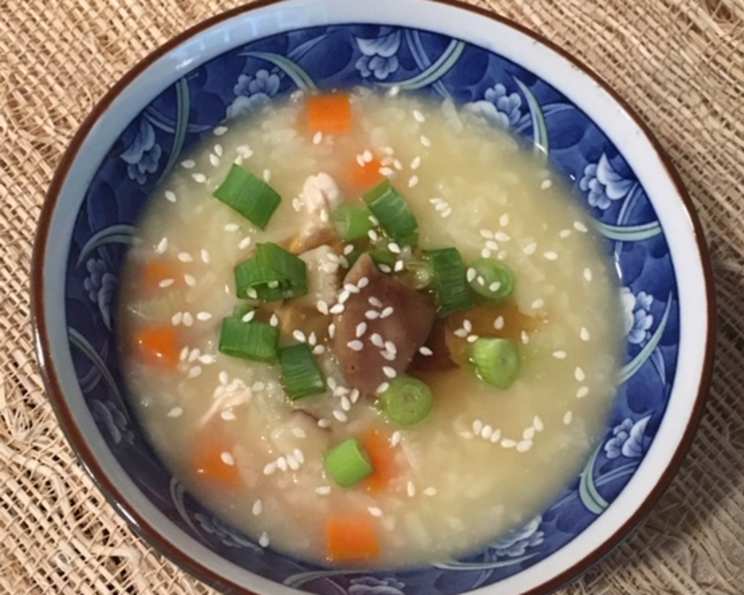
Korean Chicken Porridge (Dakjuk): A Bowl of Comfort
My grandmother’s kitchen always held a symphony of smells, but none so evocative as the gentle simmer of dakjuk, Korean chicken porridge. As a child, battling a stubborn cold, I remember her carefully spooning the warm, comforting mixture into my bowl. Each bite, infused with the subtle fragrance of sesame oil and the savory depth of chicken broth, seemed to soothe not just my body, but my soul. Even now, the mere thought of dakjuk conjures up memories of her unwavering love and the simple, profound healing power of a home-cooked meal.
Recipe Overview
- Prep Time: 1 hour 15 minutes (includes rice soaking)
- Cook Time: 25-40 minutes
- Total Time: 1 hour 40 minutes – 1 hour 55 minutes
- Servings: 4
- Yield: Approximately 6 cups
- Dietary Type: Generally Gluten-Free (check chicken stock ingredients), Dairy-Free
Ingredients
- 1 cup short-grain rice (or sweet rice/glutinous rice)
- 6 cups chicken stock (use a good quality or homemade stock for best flavor)
- 1 1/2 cups chicken, shredded and well seasoned (salt, garlic, sesame oil, pepper, for example)
- 1 medium carrot
- 1 stalk celery
- 3-4 mushroom caps (shiitake)
- 2 tablespoons sesame oil
- 2 scallions, finely chopped
- 1 teaspoon sesame seeds
Equipment Needed
- Large pot or Dutch oven
- Cutting board
- Knife
Instructions
-
Begin by soaking the rice in a bowl of water for at least one hour. This step is crucial for achieving the desired creamy texture of the porridge. After soaking, thoroughly drain the rice.
-
While the rice is soaking, prepare the vegetables. Finely chop the carrot, celery, and mushroom caps. The smaller the pieces, the quicker they will cook and the more evenly they will distribute throughout the porridge.
-
In a large pot or Dutch oven, combine the drained rice and chicken stock. Bring the mixture to a boil over medium heat.
-
Once boiling, reduce the heat to medium-low and continue to cook, stirring occasionally, for approximately 20 to 25 minutes, or until the rice is cooked and softened. As the stock reduces, lower the heat further to prevent sticking and burning. Stir more frequently as the stock is reduced. This is crucial to prevent the rice from sticking to the bottom of the pot and scorching.
-
Stir in the chopped vegetables (carrot, celery, and mushrooms). Cover the pot and simmer for an additional 10 to 15 minutes, or until the vegetables are tender and soft.
-
At this stage, check the consistency of the porridge. If it’s too thick for your liking, you can adjust it by adding more chicken stock or water until you reach your desired consistency.
-
During the last few minutes of simmering, stir in the cooked, shredded chicken. Reserve a small amount of the shredded chicken to use as a garnish if desired. Taste the porridge and adjust the seasoning with salt and pepper as needed. Remember that the chicken stock might already contain salt, so taste before adding more.
-
Serve hot, garnished with finely chopped scallions and sesame seeds sprinkled on top. A drizzle of extra sesame oil can also enhance the flavor.
Expert Tips & Tricks
- For a richer flavor, consider using homemade chicken stock. It makes a world of difference. If using store-bought stock, opt for a low-sodium variety to control the saltiness.
- To save time, you can use pre-cooked rotisserie chicken. Just make sure to shred it and season it well before adding it to the porridge.
- If you don’t have shiitake mushrooms on hand, you can substitute other types of mushrooms, such as cremini or button mushrooms.
- For a deeper umami flavor, add a small piece of dried kelp (kombu) to the stock while it simmers. Remember to remove it before serving.
- If the porridge becomes too thick while cooking, add more chicken stock or water gradually, stirring constantly to prevent lumps from forming.
- For a creamier texture, you can use an immersion blender to partially blend the porridge before adding the chicken. Be careful not to over-blend, as you still want some texture.
Serving & Storage Suggestions
Serve dakjuk hot as a comforting breakfast, light lunch, or soothing dinner. Garnish generously with scallions and sesame seeds for added flavor and visual appeal. A side of kimchi or other Korean banchan (side dishes) complements the porridge beautifully.
Leftover dakjuk can be stored in an airtight container in the refrigerator for up to 3 days. To reheat, gently warm it in a saucepan over low heat, adding a splash of chicken stock or water if needed to loosen the consistency. You can also reheat it in the microwave, stirring occasionally. Freezing is not recommended as the texture of the rice may change upon thawing.
Nutritional Information
| Nutrient | Amount per Serving | % Daily Value |
|---|---|---|
| Calories | 386 kcal | N/A |
| Calories from Fat | 106 | N/A |
| Total Fat | 11.9 g | 18% |
| Saturated Fat | 2.3 g | 11% |
| Cholesterol | 10.8 mg | 3% |
| Sodium | 535.8 mg | 22% |
| Total Carbohydrate | 55.2 g | 18% |
| Dietary Fiber | 2.4 g | 9% |
| Sugars | 7 g | N/A |
| Protein | 13.2 g | 26% |
Note: Nutritional information is an estimate and may vary based on specific ingredients and portion sizes.
Variations & Substitutions
- Vegetarian Dakjuk: Substitute the chicken with shredded tofu or extra mushrooms. Use vegetable stock instead of chicken stock.
- Spicy Dakjuk: Add a tablespoon of gochujang (Korean chili paste) or a pinch of gochugaru (Korean chili flakes) to the porridge while simmering.
- Seafood Dakjuk: Replace the chicken with shrimp, scallops, or other seafood.
- Ginseng Dakjuk (Samgyetang-inspired): Add a small piece of ginseng root to the stock while simmering for a more medicinal and energizing version.
- Pumpkin Dakjuk: Incorporate some pumpkin puree to give the dish a unique flavor and color profile
FAQs (Frequently Asked Questions)
Q: Can I use brown rice instead of short-grain rice?
A: While you can use brown rice, it will result in a different texture. Brown rice takes longer to cook and won’t create the same creamy consistency as short-grain or glutinous rice.
Q: How can I make this recipe ahead of time?
A: You can cook the porridge up to the point of adding the chicken and vegetables. Store it in the refrigerator and then add the chicken and vegetables when you’re ready to serve.
Q: Is it necessary to soak the rice?
A: Soaking the rice is highly recommended as it helps to soften the grains and speeds up the cooking process, resulting in a creamier texture.
Q: Can I use leftover bones to make the chicken stock?
A: Absolutely! Using leftover bones to make your own chicken stock is a great way to add extra flavor and nutrition to the porridge. Simply simmer the bones with water and aromatics for a few hours.
Q: What can I serve with dakjuk?
A: Dakjuk pairs well with Korean side dishes like kimchi, pickled radishes, and seasoned spinach. You can also serve it with a side of soy sauce with chopped scallions and sesame seeds for dipping.
Final Thoughts
Dakjuk is more than just a recipe; it’s a taste of Korean tradition, a bowl of pure comfort, and a testament to the power of simple ingredients transformed into something truly special. I encourage you to try this recipe and experience the warmth and nourishment of this classic dish. Feel free to adapt it to your own preferences and dietary needs, and don’t hesitate to share your creations and feedback. Whether you’re seeking a soothing meal on a cold day or a taste of home, dakjuk is sure to satisfy. Enjoy!