
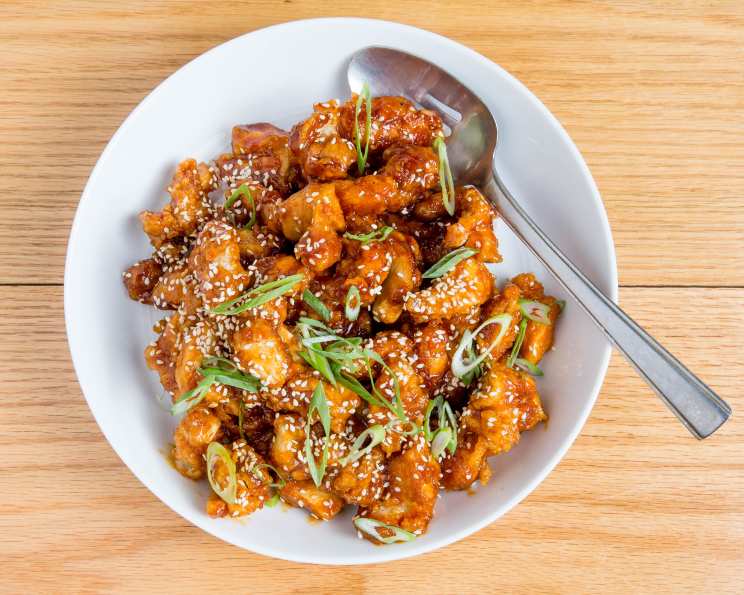
Korean-Inspired Popcorn Chicken: A Culinary Adventure
I can still remember the electric thrill of my first trip to Seoul. Beyond the bustling markets and gleaming skyscrapers, the street food scene completely captivated me. The vibrant aromas, the sizzle of woks, and the explosion of flavors were intoxicating. Among the countless tempting treats, Korean fried chicken stood out. This Korean-Inspired Popcorn Chicken recipe attempts to capture that memory, channeling the sweet, spicy, and irresistibly crispy experience into bite-sized morsels that are perfect for sharing… or not!
Recipe Overview
- Prep Time: 20 minutes
- Cook Time: 20 minutes
- Total Time: 40 minutes
- Servings: 4
- Yield: Approximately 4 cups
- Dietary Type: Can be made gluten-free
Ingredients
-
Chicken
- 1 lb chicken, boneless, skinless thighs, cut into 1 inch pieces
- 2 tablespoons rice wine vinegar
- 1 cup cornstarch (for gluten-free, use tapioca starch or potato starch)
- 1 teaspoon kosher salt
- ½ teaspoon black pepper
- ½ cup canola oil (for frying)
- 1 tablespoon sesame seeds, toasted
- 2 scallions, thinly sliced
-
Sauce
- 1 garlic clove, minced
- 1 teaspoon minced ginger
- 2 tablespoons gochujang (Korean red chili paste)
- 1 tablespoon soy sauce (use tamari for gluten-free)
- 1 tablespoon rice wine vinegar
- 2 tablespoons light brown sugar
- 1 tablespoon honey
- 1 tablespoon toasted sesame oil
Equipment Needed
- Large bowl
- Shallow baking dish or bowl
- Heavy bottomed pot or deep fryer
- Paper towel lined plate
- Large saute pan
Instructions
-
Begin by preheating the canola oil in a heavy bottomed pot or deep fryer to 350 degrees Fahrenheit. Use a thermometer to ensure accurate temperature. This is crucial for achieving crispy chicken without burning.
-
In a large bowl, combine the chicken pieces with rice wine vinegar. Gently toss to coat, ensuring every piece is touched by the vinegar. Allow the chicken to marinate for 15 minutes. The rice wine vinegar helps tenderize the chicken and adds a subtle tang.
-
While the chicken marinates, prepare the dredging mixture. In a shallow baking dish or bowl, whisk together the cornstarch, kosher salt, and black pepper. Make sure there are no clumps of cornstarch remaining.
-
Once the chicken has marinated, begin dredging it in the cornstarch mixture. Working in batches prevents the chicken from clumping together. Ensure each piece is fully coated with the cornstarch mixture, pressing lightly to help it adhere. Shake off any excess cornstarch before frying.
-
Carefully add the dredged chicken to the preheated canola oil, working in batches to avoid overcrowding the pot. Overcrowding will lower the oil temperature and result in soggy chicken. Fry each batch for 4-5 minutes, or until lightly browned and fully cooked. The internal temperature of the chicken should reach 165 degrees Fahrenheit.
-
Between batches, allow the canola oil to come back up to 350 degrees Fahrenheit. This ensures consistent cooking and crispy results.
-
Remove the fried chicken from the oil using a slotted spoon or spider and transfer it to a paper towel lined plate. This will help absorb any excess oil. Season immediately with a pinch of salt while the chicken is still hot.
-
Now, prepare the sauce. In a large saute pan, combine the minced garlic, minced ginger, gochujang, soy sauce, rice wine vinegar, light brown sugar, honey, and toasted sesame oil.
-
Place the saute pan over medium high heat. Allow the sauce mixture to come to a boil, then immediately reduce the heat to medium low. Simmer the sauce, stirring occasionally, until it thickens slightly, about 5 minutes. The sauce should coat the back of a spoon.
-
Add the cooked chicken to the thickened sauce and toss gently to coat each piece evenly. Ensure every morsel is glistening with the sweet and spicy glaze.
-
Garnish with toasted sesame seeds and thinly sliced scallions before serving.
Expert Tips & Tricks
- Double Fry for Extra Crispiness: For an even crispier texture, fry the chicken twice. Fry it once at a slightly lower temperature (325°F) for about 3 minutes, then let it rest for a few minutes before frying again at 350°F until golden brown.
- Make-Ahead Sauce: The sauce can be made ahead of time and stored in the refrigerator for up to 3 days. Simply reheat it in a saucepan before adding the cooked chicken.
- Control the Heat: Adjust the amount of gochujang to control the spiciness of the sauce. Start with less and add more to taste.
- Even Cooking: Use a meat thermometer to ensure the chicken is cooked through. An internal temperature of 165°F is ideal.
- Prevent Soggy Chicken: Ensure the oil is hot enough and avoid overcrowding the pan to prevent the chicken from becoming soggy.
Serving & Storage Suggestions
Serve the Korean-Inspired Popcorn Chicken immediately while it’s hot and crispy. Garnish generously with toasted sesame seeds and sliced scallions for a visually appealing presentation. This dish pairs perfectly with steamed rice, kimchi, or a side of Asian slaw.
Leftovers can be stored in an airtight container in the refrigerator for up to 3 days. However, the chicken will lose some of its crispness over time.
To reheat, preheat your oven to 350°F. Spread the chicken in a single layer on a baking sheet and bake for 5-7 minutes, or until heated through. Alternatively, you can reheat it in a skillet over medium heat, stirring occasionally, until warmed through. Microwaving is not recommended as it will make the chicken soggy.
Nutritional Information
| Nutrient | Amount per Serving | % Daily Value |
|---|---|---|
| Calories | 550 kcal | 28% |
| Total Fat | 30g | 46% |
| Saturated Fat | 5g | 25% |
| Cholesterol | 75mg | 25% |
| Sodium | 800mg | 33% |
| Total Carbohydrate | 40g | 13% |
| Dietary Fiber | 1g | 4% |
| Sugars | 15g | |
| Protein | 30g | 60% |
Variations & Substitutions
- Gluten-Free: Use tamari instead of soy sauce and tapioca starch or potato starch instead of cornstarch.
- Vegan: Substitute the chicken with cubed tofu or cauliflower florets. Be sure to press the tofu to remove excess water before marinating and dredging. Use maple syrup or agave nectar instead of honey.
- Spicy Level: Adjust the amount of gochujang to customize the heat level. For a milder flavor, use less gochujang or substitute with a milder chili paste. You can also add a pinch of cayenne pepper for extra heat.
- Vegetables: Add some quickly stir-fried broccoli florets, bell peppers, or snap peas to the pan just before adding the chicken for extra flavor and nutrition.
FAQs (Frequently Asked Questions)
Q: Can I use chicken breast instead of chicken thighs?
A: Yes, you can, but chicken thighs are generally more tender and flavorful. If using chicken breast, be careful not to overcook it, as it can become dry.
Q: What is gochujang?
A: Gochujang is a Korean red chili paste made from red chili powder, glutinous rice, fermented soybeans, and salt. It has a complex flavor that is spicy, savory, and slightly sweet.
Q: Can I bake the chicken instead of frying it?
A: While frying delivers the best results for crispiness, you can bake the chicken for a healthier option. Toss the dredged chicken with a little oil and bake at 400°F for 20-25 minutes, or until cooked through. The texture will be different, but it will still be delicious.
Q: Can I make this ahead of time?
A: The fried chicken is best enjoyed immediately. If you need to prepare ahead, fry the chicken, let it cool, and store in the refrigerator. Make the sauce separately. When ready to serve, reheat the chicken in the oven or skillet, then toss with the sauce.
Q: What’s the best way to toast sesame seeds?
A: Toast sesame seeds in a dry skillet over medium heat, stirring constantly, until golden brown and fragrant, about 3-5 minutes. Watch carefully as they can burn quickly.
Final Thoughts
This Korean-Inspired Popcorn Chicken is a celebration of flavors and textures – crispy, sweet, spicy, and utterly addictive. I encourage you to try this recipe and experience the taste of Seoul in your own kitchen. Don’t be afraid to experiment with variations and adjust the spice level to your liking. Share your creations and feedback with me; I’d love to see your culinary adventures! Serve it with an ice-cold Korean beer or a refreshing glass of sparkling water for the perfect pairing. Enjoy!