
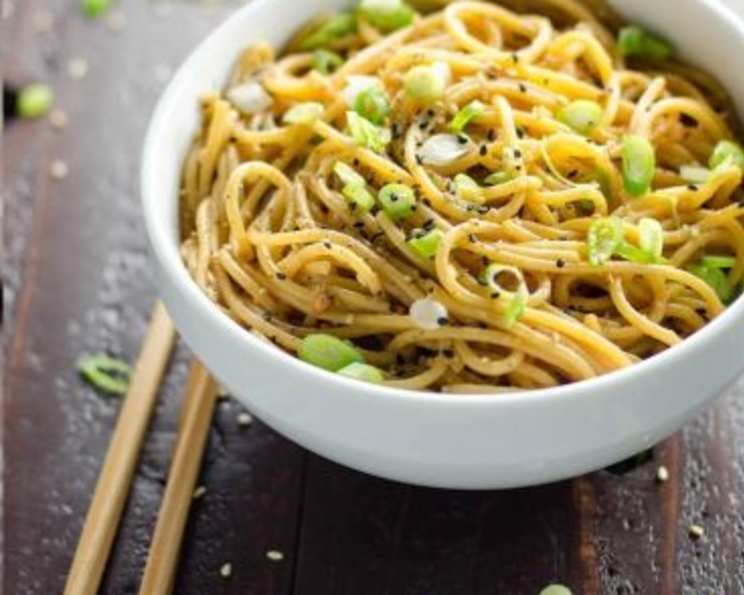
Korean Pasta Salad: A Symphony of Sesame and Spice
My earliest food memories are often intertwined with the aromas that wafted from my grandmother’s kitchen. She had a knack for fusing flavors from all corners of the globe, and one particular dish always stood out: a vibrant, savory pasta salad that she’d learned from a Korean neighbor decades ago. The combination of slippery noodles, toasted sesame, and a gentle kick of chili was unlike anything I’d tasted before. Even now, a single whiff of sesame oil transports me back to her bustling kitchen, a reminder of the culinary magic that can happen when cultures collide.
Recipe Overview
- Prep Time: 15 minutes
- Cook Time: 10 minutes
- Total Time: 25 minutes
- Servings: 2-3
- Yield: About 4 cups
- Dietary Type: Vegetarian (easily adaptable to vegan)
Ingredients
- 8 ounces Chinese egg noodles
- 2 tablespoons rice wine vinegar
- 2 tablespoons dark sesame oil
- 1 2⁄3 tablespoons soy sauce
- 1 tablespoon toasted sesame seeds
- 1 tablespoon fresh ginger, peeled & grated
- 1⁄4 teaspoon kosher salt
- 2 scallions, thinly sliced on the diagonal
- 1⁄4 teaspoon crushed red pepper flakes (optional)
Equipment Needed
- Large pot
- Colander
- Large mixing bowl
- Small mixing bowl
- Whisk or fork
Instructions
-
Cook the egg noodles according to package instructions. Typically, this involves bringing a large pot of water to a rolling boil, adding the noodles, and cooking for approximately 6-8 minutes, or until al dente. Be careful not to overcook them, as they’ll become mushy.
-
Drain and rinse the noodles under cold running water. This step is crucial! Rinsing stops the cooking process and removes excess starch, preventing the noodles from sticking together. The cold water also helps to cool them down quickly, making them ready for the dressing.
-
Transfer the noodles to a large bowl. Make sure the bowl is large enough to comfortably accommodate the noodles and allow for easy mixing with the dressing.
-
Prepare the dressing: In a small bowl, whisk together the rice wine vinegar, dark sesame oil, soy sauce, sesame seeds, ginger, salt, scallions, and, if using, red pepper flakes. Taste and adjust the seasoning as needed. You might want to add a touch more soy sauce for extra umami, or a pinch of sugar to balance the acidity.
-
Pour the dressing over the noodles: Ensure the noodles are relatively dry before adding the dressing. This will help the dressing adhere better.
-
Mix the noodles and dressing: Gently mix the noodles with the sesame mixture until well coated. Make sure every strand is glistening with the savory sauce.
-
Serve cold or at room temperature. This salad is delicious immediately, but the flavors meld even more beautifully if allowed to sit for at least 30 minutes before serving. You can even prepare it a day ahead.
Expert Tips & Tricks
- Toast your sesame seeds: Toasting sesame seeds brings out their nutty aroma and intensifies their flavor. You can toast them in a dry skillet over medium heat for a few minutes, stirring constantly, until golden brown and fragrant. Watch them carefully, as they can burn quickly.
- Use fresh ginger: Freshly grated ginger is essential for the vibrant flavor of this salad. Avoid using powdered ginger, as it lacks the same pungency.
- Adjust the spice level: If you’re sensitive to heat, start with a smaller amount of crushed red pepper flakes or omit them altogether. You can always add more later. Alternatively, if you like it spicy, add a pinch of gochugaru (Korean chili flakes) for an extra kick.
- Don’t skip the rinsing step: Rinsing the noodles after cooking is crucial to prevent them from becoming sticky and clumpy.
- Make it ahead: This salad is perfect for meal prepping. It tastes even better after the flavors have had a chance to meld together in the refrigerator.
- Vegan Variation: To make this dish vegan, ensure you use egg-free noodles. Many Chinese egg noodles are, in fact, egg-free, but always check the package.
Serving & Storage Suggestions
This Korean pasta salad is a fantastic side dish to grilled meats, fish, or tofu. It also makes a light and refreshing lunch on its own. Garnish with extra sesame seeds and sliced scallions for a beautiful presentation.
Storage: Store leftover pasta salad in an airtight container in the refrigerator. It will keep well for up to 3 days. The noodles may absorb some of the dressing over time, so you may want to add a splash of sesame oil or soy sauce before serving. While it is best enjoyed cold, you can bring it to room temperature before serving if preferred. Freezing is not recommended as the texture of the noodles will change.
Nutritional Information
| Nutrient | Amount per Serving | % Daily Value |
|---|---|---|
| Calories | 614.6 kcal | N/A |
| Calories from Fat | 199 g | 32% |
| Total Fat | 22.1 g | 34% |
| Saturated Fat | 3.8 g | 18% |
| Cholesterol | 95.8 mg | 31% |
| Sodium | 1156.3 mg | 48% |
| Total Carbohydrate | 85.6 g | 28% |
| Dietary Fiber | 5.3 g | 21% |
| Sugars | 2.8 g | 11% |
| Protein | 19.3 g | 38% |
Note: Nutritional information is an estimate and may vary based on specific ingredients used.
Variations & Substitutions
- Add protein: Grilled chicken, shrimp, tofu, or thinly sliced beef would all be delicious additions to this salad.
- Add vegetables: Bell peppers, cucumbers, carrots, or bean sprouts would add extra crunch and nutrients.
- Use different noodles: Soba noodles, udon noodles, or even spaghetti can be used in place of Chinese egg noodles. Keep in mind that the cooking time may vary depending on the type of noodle you use.
- Make it gluten-free: Use gluten-free noodles and tamari instead of soy sauce.
- Add kimchi: For an extra layer of flavor and spice, add a scoop of chopped kimchi to the salad.
- Peanut dressing: Replace half the sesame oil with peanut oil, and add a tablespoon of peanut butter for a peanut-sesame dressing.
FAQs (Frequently Asked Questions)
Q: Can I use regular sesame oil instead of dark sesame oil?
A: While you can, dark sesame oil has a much more intense and nutty flavor. If using regular sesame oil, consider adding a bit more to achieve the desired taste.
Q: How long does this pasta salad last in the refrigerator?
A: It will keep well for up to 3 days in an airtight container. However, the noodles may absorb some of the dressing over time.
Q: Can I add other vegetables to this salad?
A: Absolutely! Feel free to add any vegetables you enjoy, such as bell peppers, cucumbers, carrots, or bean sprouts.
Q: What can I substitute for rice wine vinegar?
A: If you don’t have rice wine vinegar, you can use white wine vinegar or apple cider vinegar as a substitute.
Q: Is this salad spicy?
A: The recipe includes a small amount of crushed red pepper flakes, which adds a mild kick. You can adjust the amount to your preference, or omit them altogether.
Final Thoughts
This Korean Pasta Salad is more than just a recipe; it’s a culinary adventure that brings together the best of Asian flavors in a simple, yet satisfying dish. The combination of savory, nutty, and slightly spicy notes is truly irresistible. I encourage you to try this recipe and make it your own. Feel free to experiment with different ingredients and variations to create a pasta salad that perfectly suits your taste. And if you do, please share your creations and feedback! This dish pairs beautifully with grilled meats or tofu, and a crisp, dry white wine would complement the flavors perfectly. Happy cooking!