
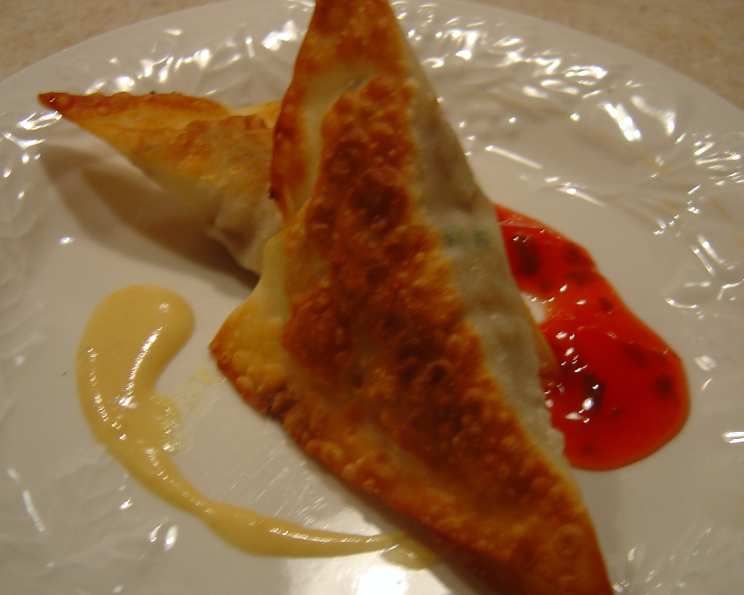
Korean Wontons: A Taste of Home
My grandmother, a whirlwind of energy in the kitchen, always made mandu, the Korean version of wontons, for special occasions. I remember sitting at her worn wooden table, watching her nimble fingers pleat each delicate wrapper with practiced ease. The savory aroma of ginger and garlic filled the air, a promise of the warm, comforting flavors that were to come. To this day, the taste of these Korean wontons transports me back to her kitchen, a place of love, laughter, and the best food I’ve ever known. While these aren’t exactly her mandu (which remains a closely guarded family secret!), they’re a delicious rendition that captures the essence of that homey, satisfying flavor.
Recipe Overview
- Prep Time: 20 minutes
- Cook Time: 30 minutes
- Total Time: 50 minutes
- Yields: 60 wontons
- Dietary Type: Not specified
Ingredients
- 2 cups shredded cabbage
- 1 cup canned bean sprouts
- 1/2 cup shredded carrot
- 1 1/2 teaspoons vegetable oil, plus 2 tablespoons vegetable oil (divided)
- 1/3 lb ground beef
- 1/3 cup green onion, sliced
- 1 1/2 teaspoons sesame seeds, toasted
- 1/2 teaspoon ground ginger or 1 1/2 teaspoons minced fresh gingerroot
- 3 cloves garlic, minced
- 1 1/2 teaspoons sesame oil
- 1/2 teaspoon salt
- 1/2 teaspoon pepper
- 1 (12 ounce) package wonton wrappers
- 1 egg, lightly beaten
- 3 tablespoons water
Equipment Needed
- Wok or large skillet
- Small skillet
- Mixing bowls
- Large skillet
Instructions
-
Begin by preparing the vegetable filling. In a wok or large skillet, heat 1 1/2 teaspoons of vegetable oil over medium-high heat. Add the shredded cabbage, canned bean sprouts, and shredded carrot. Stir-fry the mixture until the vegetables are tender, about 5-7 minutes. Once cooked, remove from the heat and set aside in a large bowl to cool slightly.
-
Next, cook the ground beef. In a small skillet, brown the ground beef over medium heat until it is fully cooked through. Drain off any excess grease. Add the cooked ground beef to the bowl with the cooked vegetables.
-
Now, infuse the filling with flavor. To the bowl with the vegetable and beef mixture, add the sliced green onions, toasted sesame seeds, ground ginger (or minced fresh gingerroot), minced garlic, sesame oil, salt, and pepper. Stir well to combine all the ingredients thoroughly.
-
Prepare the wontons. Place about 1 tablespoon of the filling mixture in the center of each wonton wrapper. Be careful not to overfill, as this can make the wontons difficult to seal.
-
Create an egg wash. In a small bowl, combine the lightly beaten egg with 3 tablespoons of water. Mix well until the egg and water are fully incorporated.
-
Seal the wontons. Moisten the edges of each wonton wrapper with the egg mixture. Fold the wrapper in half diagonally, bringing opposite corners together to create a triangle shape. Press the edges firmly together to seal, ensuring that no air pockets remain. A tight seal is crucial to prevent the filling from leaking out during cooking.
-
Cook the wontons. Heat the remaining 2 tablespoons of vegetable oil in a large skillet over medium heat. Once the oil is hot, carefully place the wontons in the skillet, being mindful not to overcrowd the pan. Cook the wontons in batches for 1-2 minutes on each side, or until they are golden brown and crispy. If the pan becomes dry, add additional vegetable oil as needed to prevent sticking.
-
Remove the cooked wontons from the skillet and place them on a plate lined with paper towels to drain any excess oil. Serve immediately and enjoy!
Expert Tips & Tricks
- Make-Ahead Filling: The filling can be prepared a day in advance and stored in the refrigerator. This allows the flavors to meld together, resulting in a more flavorful final product. Just be sure to let the filling come to room temperature before assembling the wontons.
- Wonton Wrapper Handling: Keep the wonton wrappers covered with a damp cloth while you’re working to prevent them from drying out and cracking. Dried-out wrappers are difficult to work with and won’t seal properly.
- Freezing for Later: Assembled wontons can be frozen for later use. Place them on a baking sheet lined with parchment paper, making sure they don’t touch. Freeze for about 2 hours, or until solid. Then, transfer the frozen wontons to a freezer bag or airtight container and store them for up to 2 months. Cook directly from frozen, adding a minute or two to the cooking time.
- Spice it Up: Add a pinch of red pepper flakes to the filling for a touch of heat.
- Ingredient Swap: For a vegetarian option, substitute the ground beef with finely chopped mushrooms or crumbled tofu. Be sure to press the tofu well to remove excess moisture before adding it to the filling.
Serving & Storage Suggestions
These Korean wontons are best served hot and crispy, straight from the skillet. They can be enjoyed as an appetizer, a side dish, or even as a light meal. Serve them with a dipping sauce of your choice, such as soy sauce, sweet chili sauce, or a mixture of soy sauce, rice vinegar, and sesame oil.
Leftover cooked wontons can be stored in an airtight container in the refrigerator for up to 3 days. To reheat, you can pan-fry them again for a few minutes on each side, or bake them in a preheated oven at 350°F (175°C) for about 10 minutes, or until heated through. For the best results, avoid microwaving them, as this can make them soggy. Do not leave wontons at room temperature for more than 2 hours.
Nutritional Information
| Nutrient | Amount per Serving | % Daily Value |
|---|---|---|
| Calories | 31.5 kcal | N/A |
| Calories from Fat | N/A | 36% |
| Total Fat | 1.3 g | 1% |
| Saturated Fat | 0.3 g | 1% |
| Cholesterol | 5.8 mg | 1% |
| Sodium | 56 mg | 2% |
| Total Carbohydrate | 3.7 g | 1% |
| Dietary Fiber | 0.2 g | 1% |
| Sugars | 0.2 g | 0% |
| Protein | 1.3 g | 2% |
Note: Nutritional information is an estimate and may vary based on specific ingredients and cooking methods.
Variations & Substitutions
- Pork Wontons: Substitute the ground beef with ground pork for a more traditional flavor.
- Chicken Wontons: Use ground chicken instead of beef for a lighter option.
- Shrimp Wontons: Finely chop cooked shrimp and add it to the filling for a seafood twist.
- Spicy Wontons: Add a teaspoon of gochujang (Korean chili paste) to the filling for a fiery kick.
- Steamed Wontons: Instead of pan-frying, steam the wontons for a healthier cooking method. Place them in a steamer basket lined with parchment paper and steam for about 10-12 minutes, or until cooked through.
FAQs (Frequently Asked Questions)
Q: Can I use different types of vegetables in the filling?
A: Absolutely! Feel free to experiment with other vegetables like mushrooms, spinach, or zucchini. Just be sure to chop them finely and cook them until tender before adding them to the filling.
Q: How do I prevent the wontons from sticking to the pan?
A: Make sure the skillet is hot enough before adding the wontons, and use enough vegetable oil to coat the bottom of the pan. Cooking them in batches will also help prevent overcrowding, which can lower the temperature of the pan and cause the wontons to stick.
Q: Can I boil these wontons instead of frying them?
A: Yes, you can boil them! Bring a pot of water to a boil, then gently drop the wontons in. Cook for about 3-4 minutes, or until they float to the surface.
Q: What kind of dipping sauce goes well with these wontons?
A: Soy sauce, sweet chili sauce, a mixture of soy sauce, rice vinegar, and sesame oil, or even a simple sriracha mayo are all great options.
Q: How do I know when the wontons are cooked through?
A: The wontons are cooked through when the wrappers are golden brown and crispy, and the filling is heated through. Cut one open to check if necessary.
Final Thoughts
So, roll up your sleeves, gather your ingredients, and embark on a culinary journey to create these delectable Korean wontons. Whether you’re sharing them with loved ones or savoring them on your own, I hope they bring you as much joy and comfort as they bring me. Don’t hesitate to experiment with different fillings and dipping sauces to create your own unique version. And please, share your creations and feedback! I’d love to hear how your wontons turn out. Perhaps serve them with a light and refreshing Korean cucumber salad (oi muchim) for a complete and satisfying meal. Happy cooking!