
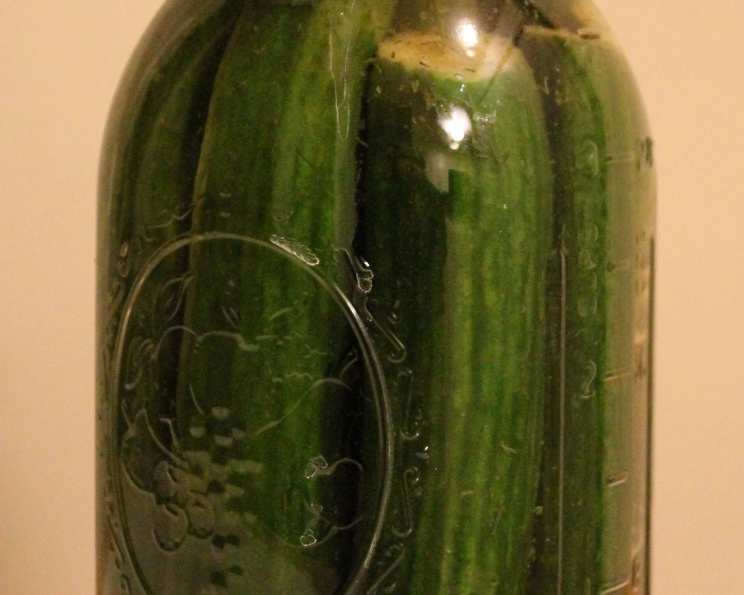
The Authentic Kosher Pickle: A Taste of Tradition
The scent of dill, garlic, and something magically sour always takes me back to my grandmother’s kitchen. Bubbe Rose’s apartment, a symphony of clanking pots and Yiddish murmurs, was perpetually filled with the briny aroma of her homemade pickles. They weren’t just food; they were edible stories, each bite a salty, tangy reminder of heritage and home. The crunch, the tang, the utter lack of vinegar – it was a pickle experience unlike any other, a tradition I’m thrilled to share with you.
Recipe Overview
- Prep Time: 30 minutes
- Total Time: 5 days
- Servings: Varies (depending on cucumber size)
- Yield: Approximately 1 gallon
- Dietary Type: Vegan, Gluten-Free, Kosher
Ingredients
- 20-25 mildly ripe, firm pickling cucumbers
- ¼ cup kosher salt
- 1 head garlic, peeled and broken into cloves
- 1 tablespoon coriander seed
- 1 tablespoon black peppercorns
- 1 bunch fresh dill
- ½ lb ice
- 3 grape leaves (optional)
- 16 cups water
Equipment Needed
- Large (approximately 1 gallon) jar
- Large bowl
- Measuring cups and spoons
- Towel
- Plate
Instructions
- Begin by preparing the cucumbers. Trim approximately 1/16″ off both ends of each cucumber. Scrub the cucumbers thoroughly to remove any dirt or debris.
- In a large bowl, combine the cucumbers and ice water. Ensure the cucumbers are fully submerged. Let them soak in the ice water for a couple of hours. This step is crucial for maintaining the cucumbers’ crisp texture.
- While the cucumbers are soaking, prepare the brine. In a separate container, mix the kosher salt and water until the salt is completely dissolved.
- Prepare your jar. Using a large pickle jar, wash thoroughly to remove any residue or impurities.
- Now comes the fun part: packing the jar! Firmly pack as many cucumbers as possible into the jar. You may have some left over, and can use those for a salad or another purpose.
- Evenly distribute the fresh dill, garlic cloves, coriander seeds, and black peppercorns throughout the jar, nestled amongst the cucumbers.
- If desired, add the grape leaves to the jar. These are optional, but some people believe they contribute to the pickles’ crispness.
- Carefully pour the salt water mixture into the jar, ensuring that the cucumbers are fully submerged. Leave about a half-inch to one inch of space at the top of the jar. If you run short on the salt water, simply add more water to fill.
- Tightly seal the jar with its lid. Turn as hard as you can, stop, and then tighten again just to make sure the lid is closed.
- Place the jar upside down on a plate covered with a towel. This helps to create a tight seal and also keeps the jar in darkness. Store the jar in a cool (65-58°F), dark place.
- After 24 hours, check the jar for any leaks. If leaking occurs, try tightening the lid again. Then, turn the jar upright, cover it with the towel, and return to its cool, dark spot.
- Allow the pickles to ferment for five days in the cool, dark place. For an even more intense flavor, you can let them sit for a full week.
- After five to seven days, the pickles are ready to enjoy!
Expert Tips & Tricks
- Cucumber Selection: Choose cucumbers that are firm and relatively small. Larger cucumbers tend to become softer during the pickling process.
- Garlic Intensity: Adjust the amount of garlic to your liking. For a milder flavor, use fewer cloves. For a bolder taste, add more.
- Spice it Up: Feel free to experiment with other spices, such as mustard seeds, red pepper flakes, or bay leaves, to create your own unique flavor profile.
- Burping the Jar: Some people prefer to “burp” the jar daily by briefly opening it to release any built-up pressure. This can help prevent the jar from bursting. However, ensure you tighten the lid firmly afterward.
Serving & Storage Suggestions
Serve these kosher pickles chilled as a classic accompaniment to sandwiches, deli platters, or simply as a refreshing snack.
- Storage: Once opened, store the pickles in the refrigerator. They will continue to ferment slowly, so the flavor will continue to develop over time.
- Shelf Life: Properly stored in the refrigerator, these pickles can last for several weeks. Keep an eye out for any signs of spoilage, such as cloudiness, off-odors, or mold. If you see these, discard the pickles.
Nutritional Information
Please note that the nutritional information is an estimate and can vary based on specific ingredients and serving sizes.
| Nutrient | Amount per Serving | % Daily Value |
|---|---|---|
| Calories | 30 kcal | 2% |
| Total Fat | 0g | 0% |
| Saturated Fat | 0g | 0% |
| Cholesterol | 0mg | 0% |
| Sodium | 900mg | 39% |
| Total Carbohydrate | 7g | 2% |
| Dietary Fiber | 1g | 4% |
| Sugars | 3g | 0% |
| Protein | 1g | 2% |
Variations & Substitutions
- Spicy Pickles: Add a few dried red chilies or a pinch of red pepper flakes to the jar for a spicy kick.
- Dill Variations: Experiment with different types of dill, such as dill seed or dill pollen, for a more intense dill flavor.
- Garlic Lovers: Use roasted garlic cloves for a mellower, sweeter garlic flavor.
- Sweet Pickles: For a sweeter pickle, add a small amount of sugar to the brine. Start with a tablespoon and adjust to taste.
- Low-Sodium Pickles: Reduce the amount of salt used in the brine. However, keep in mind that salt is essential for preservation, so reducing it too much can lead to spoilage.
FAQs (Frequently Asked Questions)
Q: Why don’t these pickles use vinegar?
A: Authentic Kosher pickles rely on the natural fermentation process for their sour flavor, rather than the acidity of vinegar. This results in a unique, tangy taste.
Q: Can I use regular table salt instead of kosher salt?
A: Kosher salt is preferred because it doesn’t contain iodine or anti-caking agents, which can affect the flavor and clarity of the brine. However, if you only have table salt, use slightly less, as it’s more concentrated.
Q: How can I tell if the pickles have spoiled?
A: Look for signs of spoilage such as cloudiness, off-odors, mold, or a slimy texture. If you observe any of these, discard the pickles.
Q: Can I reuse the brine from a previous batch of pickles?
A: It’s not recommended to reuse the brine, as it may contain harmful bacteria or yeast that can spoil your next batch.
Q: Why are my pickles mushy?
A: Mushy pickles can be caused by using overripe cucumbers, not enough salt, or fermenting at too high a temperature. Make sure your cucumbers are firm, use the correct amount of salt, and store the jar in a cool place.
Final Thoughts
Don’t be intimidated by the fermentation process! Making your own Kosher pickles is a rewarding experience that connects you to a rich culinary tradition. Gather your ingredients, follow the simple steps, and in just five days, you’ll be rewarded with the most delicious, authentic pickles you’ve ever tasted. I encourage you to try this recipe and share your experiences. Pair these pickles with a classic Reuben sandwich or alongside some creamy coleslaw for the full deli experience. Enjoy, and happy pickling!