
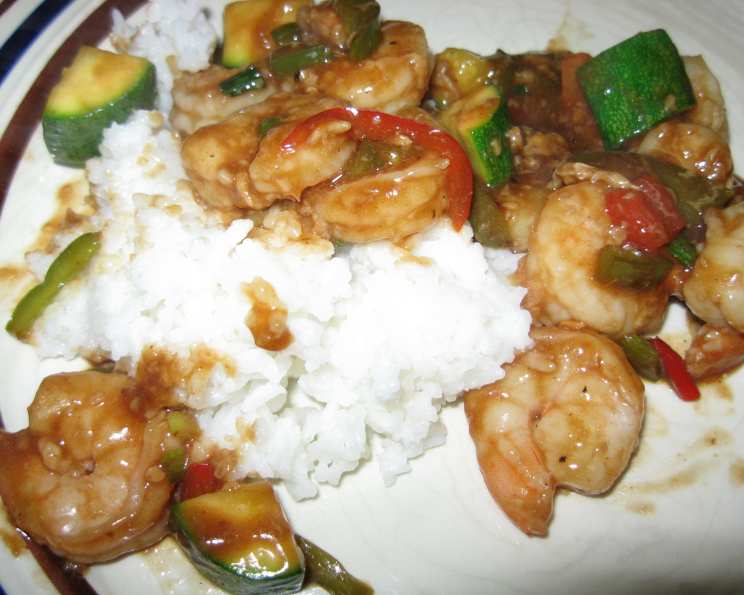
Kung Pao Perfection: A Panda Express-Inspired Delight
I still remember the first time I tasted Kung Pao Chicken. It wasn’t in a fancy restaurant, but at the bustling food court of my local mall. The vibrant colors, the nutty aroma, and that perfect balance of sweet, savory, and spicy – it was an instant obsession. I’d save my allowance just to get a heaping plate, always sneaking extra peanuts from the communal bin (sorry!). That simple meal sparked my lifelong love affair with Chinese cuisine, and I’ve been chasing that perfect Kung Pao flavor ever since. This recipe is the closest I’ve come to recreating that nostalgic joy, and I can’t wait to share it with you.
Recipe Overview
- Prep Time: 20 minutes
- Cook Time: 10 minutes
- Total Time: 30 minutes
- Servings: 4
- Dietary Type: Adaptable (can be made gluten-free)
Ingredients
- 1 lb chicken breast, cut into 1/2-inch cubes (or substitute shrimp or beef, thinly sliced)
- 1 small egg, beaten
- 1/4 cup water
- 1/4 cup cornstarch
- 1/2 teaspoon salt
- 2 green onions (white part sliced and greens cut into 1/2-inch pieces)
- 1 red pepper, chunked
- 1 green pepper, chunked
- 1 small zucchini, chunked
- 1/3 cup water
- 2 1/2 tablespoons soy sauce (use tamari for gluten-free)
- 1 tablespoon cornstarch (dissolved in 1 tablespoon cold water)
- 1 teaspoon rice wine vinegar
- 2 tablespoons vegetable oil, divided
- 1 teaspoon garlic, minced
- 1/4 teaspoon ground ginger
- 1/4 teaspoon red pepper flakes
- Granulated sugar, sprinkled in (to your taste)
- 1/3 cup peanuts, dry-roasted
- 4 cups cooked white rice (Botan, sticky rice recommended)
Equipment Needed
- Wok or large skillet
- Zip-top bag
- Large container
Instructions
-
In a zip-top bag, combine the chicken (or shrimp or beef) with the beaten egg, 1/4 cup water, cornstarch, and salt. Seal the bag and gently massage the mixture to ensure the meat is evenly coated. Marinate in the refrigerator for at least 30 minutes. This step is crucial for tenderizing the protein.
-
While the meat is marinating, prepare the vegetables. Chop the red pepper, green pepper, and zucchini into bite-sized chunks. Separate the green onions, slicing the white parts and chopping the green parts separately. Keep the vegetables chilled until ready to cook.
-
Prepare the sauce by combining 1/3 cup water and soy sauce in a small bowl. In a separate small bowl, dissolve 1 tablespoon cornstarch in 1 tablespoon cold water, creating a slurry. Add the cornstarch slurry and rice wine vinegar to the water and soy sauce mixture. Stir well to combine and set aside.
-
About 20 minutes before serving, begin cooking the rice according to package directions. Fluffy Botan rice works best to soak up the delicious sauce!
-
Heat about 1 tablespoon of vegetable oil in a hot wok or large skillet over high heat. It’s important to get the wok screaming hot before adding the meat.
-
Remove the meat from the marinade, draining off any excess liquid and discarding the marinade. This prevents the oil from splattering and ensures the meat browns properly.
-
Quickly stir-fry the marinated meat in the hot oil for 60-90 seconds, or until it is lightly browned and cooked through. Do not overcrowd the wok; cook in batches if necessary to ensure even browning.
-
Transfer the cooked meat to a large container and set aside.
-
Add the remaining 1 tablespoon of vegetable oil to the wok.
-
Stir-fry the red and green peppers until they are almost tender-crisp. Then, add the sliced green onions and zucchini to the wok and stir-fry for another minute, until slightly softened but still vibrant.
-
Add the cooked vegetables to the container with the cooked meat and set aside.
-
Reduce the heat to medium. In the same wok, stir-fry the minced garlic for a few seconds until fragrant, being careful not to burn it.
-
Season the garlic with red pepper flakes and ground ginger.
-
Stir the reserved sauce mixture thoroughly before pouring it into the wok with the seasoned garlic.
-
Heat the sauce, stirring constantly, until it thickens to your desired consistency. This usually takes about 1-2 minutes.
-
Taste the sauce and sweeten to your preference by sprinkling in granulated sugar, adding a bit more ginger and/or red pepper flakes if needed to adjust the flavor.
-
Add the cooked meat and vegetables to the thickened sauce in the wok. Stir to coat everything evenly.
-
Stir in the dry-roasted peanuts.
-
Serve immediately over hot cooked white rice. Garnish with the reserved chopped green onion tops.
Expert Tips & Tricks
- For extra crispy chicken, try dredging the marinated chicken in a little extra cornstarch before stir-frying.
- If you want a richer sauce, add a teaspoon of sesame oil along with the vegetable oil.
- Toasting the peanuts beforehand will enhance their flavor.
- Don’t be afraid to adjust the amount of red pepper flakes to your spice preference.
- Make-ahead tip: The sauce and the vegetables can be prepped ahead of time and stored separately in the refrigerator. When ready to serve, simply stir-fry the meat, heat the vegetables, and combine everything with the sauce.
Serving & Storage Suggestions
Serve Kung Pao Chicken immediately over freshly cooked rice for the best flavor and texture. Garnish with extra peanuts and the reserved green onion tops for an appealing presentation.
Leftovers can be stored in an airtight container in the refrigerator for up to 3 days. Reheat gently in a skillet or microwave until heated through. Note that the sauce may thicken upon refrigeration; add a splash of water when reheating to restore its original consistency.
While Kung Pao Chicken can be frozen, the texture of the vegetables may change upon thawing. If freezing, it’s best to consume it within 1 month.
Nutritional Information
| Nutrient | Amount per Serving | % Daily Value |
|---|---|---|
| Calories | 647.1 kcal | N/A |
| Calories from Fat | 223 g | 35% |
| Total Fat | 24.9 g | 38% |
| Saturated Fat | 5.2 g | 25% |
| Cholesterol | 111.8 mg | 37% |
| Sodium | 1013.2 mg | 42% |
| Total Carbohydrate | 70 g | 23% |
| Dietary Fiber | 3.5 g | 13% |
| Sugars | 3.4 g | N/A |
| Protein | 34.7 g | 69% |
Variations & Substitutions
- Gluten-Free: Use tamari instead of soy sauce to ensure a gluten-free dish.
- Vegetarian/Vegan: Substitute the chicken with firm tofu, cut into cubes. Ensure to press the tofu to remove excess water before marinating.
- Spicy Kick: Add a tablespoon of chili garlic sauce to the sauce for an extra layer of heat.
- Nut-Free: Replace the peanuts with roasted cashews or sunflower seeds.
FAQs (Frequently Asked Questions)
Q: Can I use frozen vegetables?
A: While fresh vegetables provide the best texture, you can use frozen mixed vegetables in a pinch. Thaw them completely and pat them dry before stir-frying.
Q: How do I prevent the chicken from sticking to the wok?
A: Make sure the wok is very hot before adding the chicken and use enough oil. Stir the chicken frequently to prevent sticking.
Q: Can I make this dish ahead of time?
A: Yes, you can prepare the sauce and chop the vegetables ahead of time. Store them separately in the refrigerator. Cook the meat just before serving to ensure it’s tender and juicy.
Q: What kind of rice is best for Kung Pao Chicken?
A: Sticky rice like Botan or Jasmine rice works well, as it soaks up the sauce beautifully.
Q: How do I adjust the level of spiciness?
A: Increase or decrease the amount of red pepper flakes to your liking. You can also add a dash of chili oil for extra heat.
Final Thoughts
This Kung Pao recipe is more than just a meal; it’s a trip down memory lane and a celebration of vibrant flavors. Don’t be intimidated by the list of ingredients; the process is surprisingly simple, and the reward is immense. Whether you’re a seasoned chef or a kitchen novice, I encourage you to give this recipe a try. Experiment with the spice levels, add your own creative touches, and most importantly, enjoy the process. Pair this delightful dish with a crisp glass of Riesling or a refreshing iced tea for the perfect culinary experience. I would love to hear your feedback and suggestions. Happy cooking!