
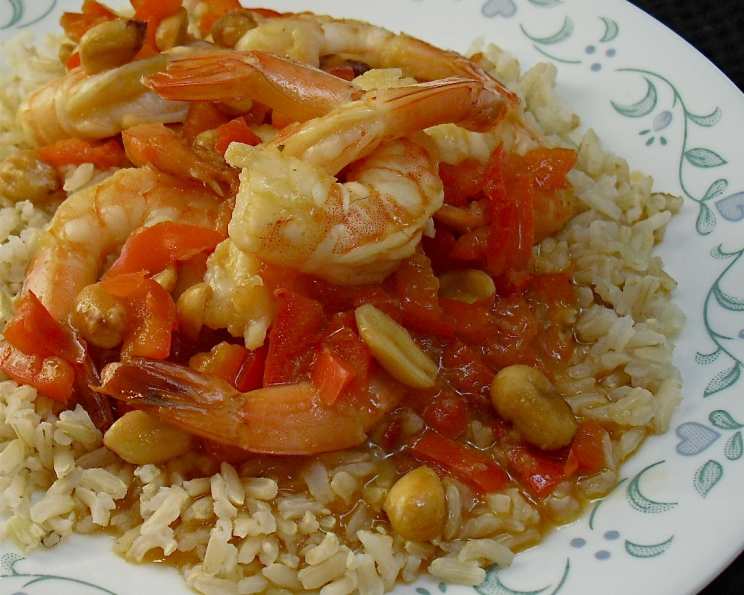
Kung Pao Shrimp: A Symphony of Spice and Savory
The first time I tasted Kung Pao anything, I was a wide-eyed kid at a bustling family gathering in Chinatown. The vibrant red chilis, the aroma of roasted peanuts, and the glistening sauce clinging to plump morsels of chicken captivated me instantly. It was a culinary explosion, a perfect balance of sweet, spicy, and savory that I’ve chased ever since. Now, I’m thrilled to share my take on a simplified, equally delicious version featuring succulent shrimp, bringing that same thrilling experience to your kitchen.
Recipe Overview
- Prep Time: 10 minutes
- Cook Time: 10 minutes
- Total Time: 20 minutes
- Servings: 4
- Dietary Type: Can be Gluten-Free (see notes)
Ingredients
- 1 cup chicken broth
- 2 tablespoons oyster sauce
- ½ – 1 teaspoon chili paste, depending on how hot you like it (like sambal oelek)
- 2 teaspoons cornstarch
- 1 tablespoon peanut oil
- 1 tablespoon sesame oil
- 1 lb extra large shrimp, peeled and deveined
- ½ cup dry roasted peanuts
- 1 red bell pepper, chopped
- 3 garlic cloves, minced
- 1 tablespoon grated fresh ginger
Equipment Needed
- Large skillet or wok
- Small bowl
- Whisk
- Measuring cups and spoons
Instructions
-
In a small bowl, whisk together the chicken broth, oyster sauce, chili paste, and cornstarch until the cornstarch is fully dissolved. This prevents clumping in the sauce later. Set aside.
-
Heat the peanut oil in a large skillet or wok over medium-high heat. The skillet should be hot enough that a drop of water sizzles immediately.
-
Add the shrimp and peanuts to the hot skillet. Cook, stirring constantly, until the shrimp are just barely cooked through. This usually takes about 2-3 minutes. You’ll know they’re ready when they turn pink and opaque. Be careful not to overcook them, or they will become rubbery. Transfer the shrimp and peanuts to a plate and set aside.
-
Add the sesame oil to the skillet. The sesame oil adds a nutty depth to the dish, so don’t skip it. Add the chopped red bell pepper and sauté until just barely tender, about 3 minutes. You want the pepper to retain a bit of its crunch.
-
Add the minced garlic and grated fresh ginger to the skillet with the bell peppers. Cook, stirring constantly, until fragrant, about 1 minute. Be careful not to burn the garlic, as this will make it bitter.
-
Pour the broth mixture into the pan with the pepper mixture. Bring the mixture to a boil, stirring constantly to prevent sticking.
-
Once boiling, add the shrimp and peanuts back to the pan. Simmer until the sauce has thickened, about 1 minute. Ensure the shrimp are fully cooked through, but not overcooked. The sauce should be thick enough to coat the shrimp.
-
Serve immediately over rice or lo mein noodles. Garnish with extra peanuts or a sprinkle of sliced green onions, if desired.
Expert Tips & Tricks
- Spice Level Control: The amount of chili paste dictates the heat. Start with ½ teaspoon and adjust to your preference. Remember, you can always add more, but you can’t take it away!
- Shrimp Prep: Make sure your shrimp are thoroughly dried before cooking. This helps them to brown nicely and prevents steaming.
- Cornstarch Slurry: Whisking the cornstarch with cold chicken broth is essential to prevent lumps. Ensure it’s fully dissolved before adding it to the hot pan.
- Don’t Overcook the Shrimp: Overcooked shrimp are tough and rubbery. Cook them just until they turn pink and opaque. They will continue to cook slightly in the sauce.
- Gluten-Free Option: To make this dish gluten-free, substitute the oyster sauce with tamari or a gluten-free hoisin sauce. Double-check all your ingredients to ensure they are gluten-free.
Serving & Storage Suggestions
Serve your Kung Pao Shrimp immediately over a bed of fluffy white rice, brown rice, or lo mein noodles. For a complete meal, consider pairing it with steamed broccoli or bok choy.
Leftovers can be stored in an airtight container in the refrigerator for up to 3 days. To reheat, gently warm the shrimp in a skillet over medium heat until heated through. Be careful not to overcook the shrimp during reheating. A splash of chicken broth can help to rehydrate the sauce if it has thickened too much. While freezing is possible, it’s not recommended, as the texture of the shrimp can suffer.
Nutritional Information
| Nutrient | Amount per Serving | % Daily Value |
|---|---|---|
| Calories | 377.8 kcal | N/A |
| Calories from Fat | 209 g | 56% |
| Total Fat | 23.3 g | 35% |
| Saturated Fat | 3.5 g | 17% |
| Cholesterol | 172.8 mg | 57% |
| Sodium | 836.8 mg | 34% |
| Total Carbohydrate | 12.4 g | 4% |
| Dietary Fiber | 3 g | 11% |
| Sugars | 2.7 g | 10% |
| Protein | 31.6 g | 63% |
Variations & Substitutions
- Kung Pao Chicken: Easily substitute the shrimp with cubed chicken breast or thigh meat. Adjust cooking time accordingly to ensure the chicken is fully cooked.
- Vegetarian Kung Pao: Replace the shrimp with firm tofu, cut into cubes and pan-fried until golden brown. You can also add extra vegetables like zucchini, carrots, or snow peas.
- Cashews instead of Peanuts: If you have a peanut allergy or simply prefer cashews, feel free to substitute them for the peanuts.
- Different Chili Paste: Experiment with different types of chili paste to adjust the heat and flavor profile. Gochujang or sriracha would be interesting alternatives.
FAQs (Frequently Asked Questions)
Q: Can I make this ahead of time?
A: While the best flavor and texture are achieved when served immediately, you can prep the ingredients ahead of time. Chop the vegetables, whisk the sauce, and have the shrimp ready to go. Cook just before serving.
Q: How do I prevent the shrimp from becoming rubbery?
A: The key is to avoid overcooking the shrimp. Cook them just until they turn pink and opaque, and remove them from the heat as soon as they are done.
Q: Can I use frozen shrimp?
A: Yes, but make sure to thaw the shrimp completely before cooking. Pat them dry with paper towels to remove excess moisture.
Q: Is oyster sauce necessary?
A: Oyster sauce adds a unique umami flavor, but if you don’t have it or are vegetarian, you can substitute with hoisin sauce or a combination of soy sauce and a pinch of sugar.
Q: How can I make this dish spicier?
A: Increase the amount of chili paste or add a pinch of red pepper flakes. You can also include dried Sichuan peppercorns for an authentic tingly heat.
Final Thoughts
Kung Pao Shrimp is more than just a recipe; it’s a culinary adventure waiting to happen in your kitchen. It’s a dish that rewards experimentation, so don’t be afraid to tweak it to your taste. Gather your ingredients, embrace the sizzling wok, and prepare to be transported by the irresistible flavors of this classic dish. I encourage you to share your creations, your feedback, and any exciting twists you discover along the way. Enjoy the journey and happy cooking!