
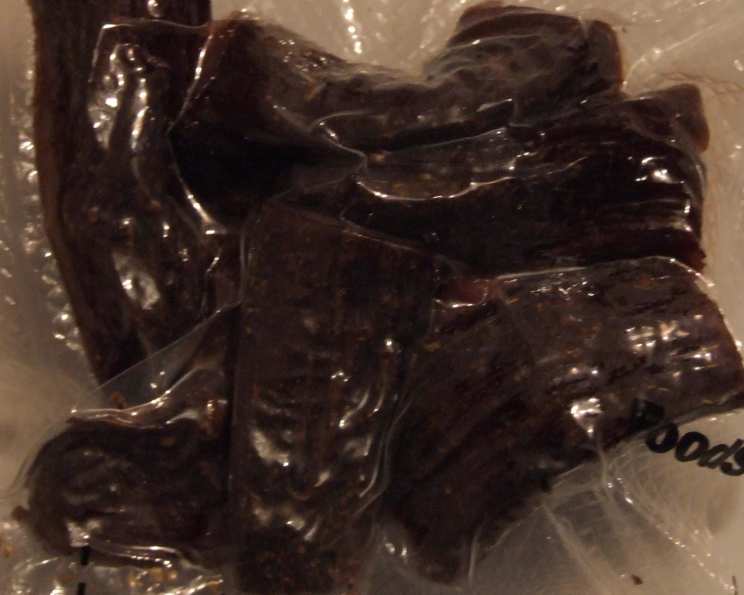
The Unforgettable Taste of Homemade Lamb Jerky
The memory is etched in my mind: a dusty outback road, the relentless Australian sun, and the surprising, savory burst of flavor from a small, hand-labeled bag. My uncle, a seasoned sheep farmer, always carried a stash of his homemade lamb jerky. It wasn’t just sustenance; it was a taste of the land itself, a testament to patience, and a flavor that spoke of simple, honest living. I’ve spent years trying to recreate that taste, and this recipe is my closest attempt to capture that sun-dried, intensely savory magic.
Recipe Overview
- Prep Time: 20 minutes
- Cook Time: 6-8 hours
- Total Time: 6 hours 20 minutes (plus overnight marinating)
- Yield: Approximately 250g jerky
- Dietary Type: High Protein
Ingredients
- 750g lamb fillets
- Toothpicks
- 1/4 cup soy sauce
- 1/4 cup Worcestershire sauce
- 1 teaspoon ground black pepper
- 1 teaspoon garlic powder
- 1 teaspoon onion powder
- 1/2 teaspoon salt
- 1/2 teaspoon chili powder
- 1/4 teaspoon celery seed
Equipment Needed
- Mixing bowl
- Plate or shallow dish
- Oven
- Foil
- Oven rack
Instructions
-
Prepare the Lamb: Begin by partially freezing the lamb fillets. This makes slicing much easier. Once firm, slice the lamb into thin strips, cutting with the grain, lengthwise. Aim for strips approximately 15cm (6 inches) long. These longer strips will also be easier to hang in the oven.
-
Make the Marinade: In a mixing bowl, combine the soy sauce, Worcestershire sauce, ground black pepper, garlic powder, onion powder, salt, chili powder, and celery seed. Mix thoroughly to ensure all ingredients are well incorporated.
-
Marinate the Lamb: Add the sliced lamb to the marinade. Ensure that all pieces are well coated. Transfer the marinated lamb to a plate or shallow dish. Cover the dish tightly with plastic wrap and refrigerate overnight (or for at least 8 hours). During the marinating process, turn the lamb strips once or twice to ensure even flavor penetration.
-
Prepare the Oven: Preheat your oven to 60°C (140°F). Place a sheet of foil on a lower rack in the oven to catch any drippings from the lamb. This will prevent your oven from becoming a smoky, sticky mess.
-
Hang the Lamb: This step is crucial for proper air circulation and even drying. Thread a toothpick through each end of the lamb strip. Use these toothpicks to suspend the lamb from the top rack of the oven, ensuring that the strips do not touch each other or the rack itself.
-
Dehydrate the Lamb: Cook the lamb for 6-8 hours, or until it reaches your desired level of dryness. It’s critical to keep the oven door slightly ajar during this process to allow moisture to escape. A simple way to do this is to wedge a fork or wooden spoon handle into the door.
-
Check for Doneness: The jerky is done when it is leathery and slightly pliable, but not brittle. It should bend without snapping. The precise cooking time will depend on the thickness of your lamb strips and the humidity in your environment, so start checking after 6 hours.
Expert Tips & Tricks
- Slicing Consistency is Key: Uniformly thin slices ensure even drying. Invest in a good sharp knife, or even better, a meat slicer if you plan to make jerky often.
- Marinating Matters: Don’t skimp on the marinating time! The longer the lamb marinates, the more flavorful and tender the jerky will be.
- Oven Temperature is Critical: Maintaining a low and consistent temperature is essential for proper dehydration. If your oven tends to run hot, use an oven thermometer to monitor the temperature.
- Spice it Up: Feel free to experiment with different spices and herbs in the marinade. Smoked paprika, cayenne pepper, or even a touch of brown sugar can add interesting flavor dimensions.
- Salt Curing (Optional): For a more intense flavor and improved preservation, consider using curing salt (sodium nitrite) in your marinade. Follow the manufacturer’s instructions carefully and use only the recommended amount.
- Preventing Over-Drying: If your jerky starts to dry out too quickly, you can lower the oven temperature slightly or add a pan of water to the bottom of the oven to increase humidity.
Serving & Storage Suggestions
Once the lamb jerky has cooled completely, store it in an airtight container or resealable plastic bag. For optimal freshness, consider using a vacuum sealer.
- Room Temperature: Properly dried lamb jerky can be stored at room temperature for up to 1-2 weeks.
- Refrigerator: For longer storage (up to 1 month), keep the jerky in the refrigerator.
- Freezer: For extended storage (up to 6 months), freeze the jerky. Thaw in the refrigerator before serving.
Lamb jerky is perfect as a high-protein snack on hiking trips, road trips, or simply as a satisfying treat any time of day. It pairs well with cheese, crackers, and a cold beer.
Nutritional Information
Please note that the following nutritional information is an estimate and may vary depending on the specific ingredients used and the thickness of the jerky.
| Nutrient | Amount per Serving (Approx. 28g/1oz) | % Daily Value* |
|---|---|---|
| Calories | 90 | N/A |
| Total Fat | 5g | 8% |
| Saturated Fat | 2g | 10% |
| Cholesterol | 20mg | 7% |
| Sodium | 220mg | 9% |
| Total Carbohydrate | 1g | 0% |
| Dietary Fiber | 0g | 0% |
| Sugars | 0g | N/A |
| Protein | 10g | 20% |
*Percent Daily Values are based on a 2,000 calorie diet.
Variations & Substitutions
- Spice Level: Adjust the amount of chili powder to control the heat. For a milder jerky, omit the chili powder altogether. For a spicier jerky, add a pinch of cayenne pepper or a few drops of hot sauce.
- Sweet and Savory: Add a tablespoon of brown sugar or honey to the marinade for a sweet and savory flavor profile.
- Herbal Infusion: Incorporate fresh herbs like rosemary, thyme, or oregano into the marinade for an aromatic twist.
- Smoked Flavor: Use smoked paprika instead of regular paprika for a smoky depth of flavor.
- Gluten-Free: Substitute the soy sauce with tamari to make the jerky gluten-free.
FAQs (Frequently Asked Questions):
Q: Why is it important to slice the lamb with the grain?
A: Slicing with the grain results in a chewier jerky. Slicing against the grain would produce a more tender, but potentially more fragile, jerky.
Q: Can I use a dehydrator instead of an oven?
A: Yes, you can absolutely use a dehydrator. Follow the manufacturer’s instructions for dehydrating meat. The drying time will likely be shorter than in an oven.
Q: How do I know when the jerky is done?
A: The jerky is done when it is leathery and slightly pliable. It should bend without snapping. If it snaps easily, it is over-dried.
Q: Can I use a different cut of lamb?
A: While lamb fillets are ideal due to their tenderness and leanness, you can use other lean cuts of lamb, such as leg of lamb, as long as you trim away any excess fat.
Q: Why do I need to keep the oven door ajar?
A: Keeping the oven door ajar allows moisture to escape, which is essential for proper dehydration. If the moisture cannot escape, the lamb will steam instead of dry.
Final Thoughts
Making lamb jerky at home is a labor of love, a slow and patient process that rewards you with an intensely flavorful and satisfying snack. Don’t be intimidated by the lengthy drying time; the hands-on preparation is minimal, and the results are well worth the effort. I encourage you to try this recipe, experiment with different flavors, and discover your own signature lamb jerky blend. And if you happen to find yourself on a dusty outback road, be sure to share your creation with a friend – the taste of homemade jerky is always best when enjoyed together.