
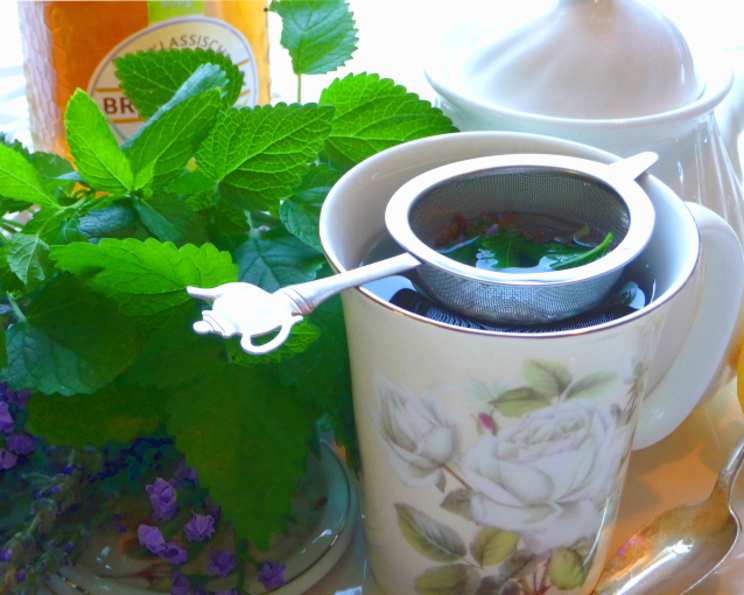
Lavender Herbal Tea Blend: Aromatic Calm in a Cup
I remember the first time I truly appreciated the power of a well-crafted herbal tea. I was working a particularly stressful shift in a bustling restaurant kitchen, the air thick with the smell of sizzling onions and simmering sauces. A fellow chef, noticing my frayed nerves, brewed me a cup of lavender tea. The delicate floral aroma, combined with the soothing warmth, instantly calmed my racing heart and helped me recenter. From that moment on, I was a believer in the transformative power of herbs, and lavender has always held a special place in my tea repertoire.
Recipe Overview
- Prep Time: 5 minutes
- Cook Time: 5 minutes
- Total Time: 10 minutes
- Servings: 2
- Yield: 2 cups
- Dietary Type: Vegan, Gluten-Free, Dairy-Free, Caffeine-Free
Ingredients
- 1 teaspoon fresh lavender flowers
- 2 tablespoons fresh mint leaves
- 2 tablespoons fresh lemon balm leaves
- 2 cups boiling water
- 1 tea bag (optional, such as black or green tea)
- Honey, for serving (see Homemade Lavender Honey recipe for a complimentary sweetener)
Equipment Needed
- Teapot
- Tea ball or infuser (optional)
- Warmed cups
Instructions
- Start by rinsing the inside of your teapot with hot water. This helps to warm the pot and maintain the temperature of the tea during steeping.
- Place the fresh lavender flowers, mint leaves, and lemon balm leaves into the teapot. If you prefer, you can use a tea ball or infuser to contain the loose herbs, making straining easier.
- If you desire a stronger tea, add a tea bag of your choice (black, green, or herbal) to the teapot along with the fresh herbs.
- Carefully pour the boiling water over the herbs (and tea bag, if using) in the teapot.
- Steep the tea for 5 minutes. This allows the herbs to fully infuse the water, releasing their aromatic oils and beneficial compounds. Do not steep for longer than 7 minutes, or the tea may become bitter.
- After steeping, strain the tea to remove the herbs and tea bag. If you used a tea ball or infuser, simply remove it from the teapot.
- Serve the tea immediately in warmed china cups.
- Add honey to taste, if desired. A drizzle of homemade lavender honey would complement the floral notes beautifully.
Expert Tips & Tricks
- Freshness is key: Using fresh herbs will result in the most vibrant and flavorful tea. If fresh herbs are unavailable, you can use dried herbs, but reduce the quantity by about half.
- Balance the flavors: Taste the tea after steeping and adjust the herb quantities in future batches to suit your preference. Some may prefer a stronger lavender flavor, while others may enjoy a more pronounced mint or lemon balm note.
- Gentle handling: When picking your herbs, do so gently to avoid bruising them. Bruised herbs can release bitter compounds.
- Water temperature matters: Using water that is just off the boil (around 200°F or 93°C) is ideal for herbal teas. Boiling water can scorch delicate herbs and result in a bitter flavor.
- Don’t over-steep: Steeping for too long can make the tea bitter. Stick to the recommended 5-minute steeping time, and adjust to taste in future batches.
- Enhance the aroma: Before adding the boiling water, gently crush the mint and lemon balm leaves between your fingers. This releases their essential oils and intensifies their aroma.
- Create a tea ritual: Elevate your tea-drinking experience by using a beautiful teapot and cups. Take a few moments to savor the aroma and enjoy the quiet ritual of preparing and drinking tea.
Serving & Storage Suggestions
Serve this Lavender Herbal Tea Blend hot, ideally in warmed cups to maintain its temperature. A small plate of delicate cookies or shortbread biscuits would make a lovely accompaniment.
While this tea is best enjoyed immediately, you can store leftover brewed tea in the refrigerator for up to 24 hours. The flavor may diminish slightly over time. Reheat gently on the stovetop or in the microwave, but avoid boiling.
Storing the fresh herbs properly is essential for optimal flavor. Wrap them loosely in a damp paper towel and store them in a resealable plastic bag in the refrigerator. They should last for several days. Dried herbs should be stored in an airtight container in a cool, dark place.
Nutritional Information
| Nutrient | Amount per Serving | % Daily Value |
|---|---|---|
| Calories | 1 kcal | 0% |
| Total Fat | 0 g | 0% |
| Saturated Fat | 0 g | 0% |
| Cholesterol | 0 mg | 0% |
| Sodium | 2.6 mg | 0% |
| Total Carbohydrate | 0.1 g | 0% |
| Dietary Fiber | 0 g | 0% |
| Sugars | 0 g | 0% |
| Protein | 0 g | 0% |
Nutritional information is an estimate and may vary based on specific ingredients and preparation methods.
Variations & Substitutions
- Different herbs: Experiment with other calming herbs such as chamomile, rose petals, or passionflower.
- Citrus twist: Add a slice of fresh lemon or orange to the teapot for a zesty flavor.
- Spiced tea: Add a pinch of ground ginger, cinnamon, or cardamom for a warming and aromatic twist, especially during the colder months.
- Sweetener options: Instead of honey, try maple syrup, agave nectar, or stevia.
- Iced tea: Brew a stronger tea, let it cool, and pour over ice for a refreshing summer beverage. Garnish with a sprig of mint or a slice of lemon.
- Lavender Syrup: Add a teaspoon of lavender syrup.
FAQs (Frequently Asked Questions)
Q: Can I use dried lavender instead of fresh?
A: Yes, you can! Use about half the amount of dried lavender flowers as you would fresh (about 1/2 teaspoon). Dried lavender has a more concentrated flavor.
Q: Is this tea safe to drink every day?
A: Generally, yes. However, if you have any underlying health conditions or are taking medications, it’s always best to consult with your doctor before consuming herbal teas regularly.
Q: Can I add sugar instead of honey?
A: Absolutely! You can use any sweetener you prefer. Experiment with different options to find your favorite flavor combination.
Q: What if I don’t have lemon balm?
A: If you don’t have lemon balm, you can omit it or substitute it with a small piece of lemon peel (without the white pith, which can be bitter).
Q: How do I know if my lavender is culinary grade?
A: Culinary-grade lavender is specifically grown and processed for consumption. Ensure the lavender you use is labeled as such and free from pesticides or other harmful chemicals. Purchase from a reputable source.
Final Thoughts
This Lavender Herbal Tea Blend is more than just a beverage; it’s an invitation to slow down, breathe deeply, and savor the present moment. The delicate floral aroma of lavender, combined with the refreshing coolness of mint and the citrusy brightness of lemon balm, creates a truly harmonious and restorative experience. I encourage you to try this recipe, experiment with different variations, and discover the unique blend that best suits your palate and your well-being. Share your creations and feedback with fellow tea enthusiasts, and let the soothing power of herbs enrich your life. Consider pairing this tea with a light pastry or a quiet afternoon spent reading your favorite book. Cheers to tranquility in a cup!