
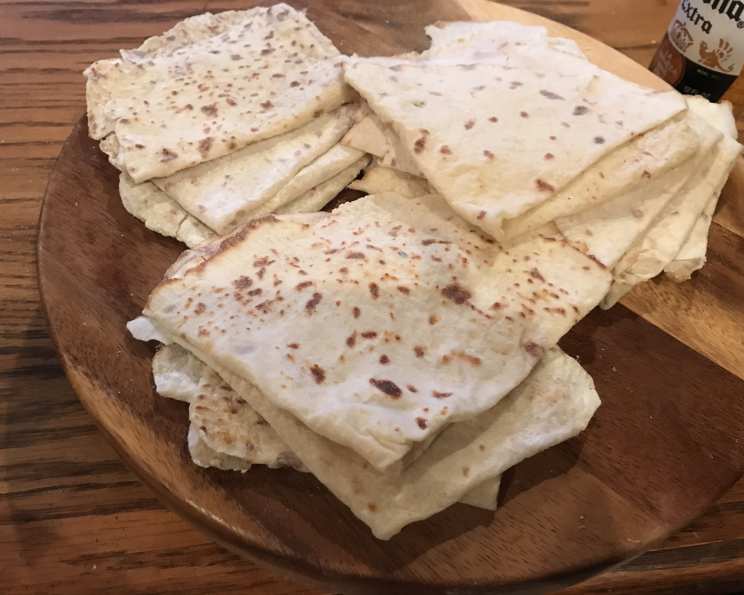
Lefse: A Taste of Norwegian Heritage
The memory still warms me: Grandma Olson, her hands dusted with flour, patiently guiding me as I attempted to roll out impossibly thin circles of potato dough. The air, thick with the scent of butter and faintly sweet potatoes, buzzed with her soft humming as she told stories of her own grandmother back in Norway. Those imperfect circles, cooked on a well-seasoned griddle, were always slathered with butter and brown sugar, becoming a comforting taste of family, tradition, and home.
Recipe Overview
- Prep Time: 30 minutes
- Cook Time: 13 minutes
- Total Time: 43 minutes
- Servings: 8
- Yield: 8 lefse
- Dietary Type: Vegetarian
Ingredients
- 3 large potatoes, for 2 cups mashed potato
- 1 tablespoon milk
- 2 tablespoons butter or 2 tablespoons margarine
- 1 teaspoon salt
- 2 teaspoons sugar
- 1 1/2 cups flour, approximate
Equipment Needed
- Large pot
- Potato masher or electric mixer
- Sealed container
- Rolling pin
- Frying pan or griddle
- Spatula
Instructions
- Begin by peeling the potatoes and placing them in a large pot. Cover with boiling water and cook until they are easily pierced with a fork, indicating they are done.
- Drain the potatoes thoroughly. Using a potato masher or an electric mixer, mash the cooked potatoes until completely smooth.
- Measure out exactly 2 cups of the mashed potato. Set aside any remaining mashed potato; it will not be used in this recipe. (Enjoy the leftover mashed potato as a side dish later!)
- In a mixing bowl, combine the 2 cups of mashed potatoes with the milk, salt, sugar, and butter (or margarine). Mash or mix these ingredients together thoroughly until everything is well blended and evenly distributed.
- Transfer the finished mashed potato mixture into a sealed container. Place the container in the refrigerator and chill until completely cold, about 2 hours. The mashed potato mixture needs to be cold to stiffen slightly, making it easier to handle.
- Measure out 1 1/2 cups of flour. Initially, add 1/2 cup of the flour to the chilled mashed potatoes and stir to incorporate.
- Sprinkle flour generously on a flat surface. This prevents the lefse dough from sticking to the counter during kneading and rolling. Place the chunk of mashed, floured potatoes in the middle of the floured area.
- Knead the dough for approximately ten minutes, gradually incorporating another half cup of flour during this process.
- After a whole cup of flour has been incorporated, the mixture will transform from mashed potatoes into a proper dough.
- Divide the dough into 8 equal pieces. Roll each piece into a ball.
- Spread more flour onto your work surface. To prevent sticking, frequently flip the dough over every time you use the rolling pin. Sprinkle a little more flour under it, and then roll the other side. Keeping your rolling pin well floured is equally crucial.
- Roll each ball of dough into a very thin circle, no thicker than a flour tortilla. Each circle should be approximately nine inches in diameter. If the lefse are too thick, they won’t cook completely and may taste doughy.
- Once all eight pieces have been rolled out, heat up your frying pan or griddle over medium heat. Grease it very lightly only if it’s not non-stick.
- Flip one of the uncooked lefse into the hot pan or griddle. Use a spatula to quickly unfold any creases that may have formed.
- Only turn the lefse once, when you see air bubbles beginning to form underneath.
- The second side won’t need as long to cook, but bubbles will form again. Be careful not to overcook and burn the lefse! You can carefully lift it with the spatula to check underneath for doneness.
- Repeat with the remaining lefse.
Expert Tips & Tricks
- Potato Variety: Russet potatoes work best because of their high starch content, which contributes to the desired texture. Waxy potatoes can make the dough too sticky.
- Chilling is Key: Don’t skip the chilling step. It’s crucial for developing the right consistency for the dough, making it easier to roll out thinly.
- Flour Power: Be mindful of the flour. Add only enough flour to bring the dough together. Too much flour will result in tough lefse.
- Rolling Technique: Using a special rolling pin with grooves can help achieve a thinner and more even lefse.
- Griddle Temperature: Experiment to find the sweet spot on your griddle. Too hot, and the lefse will burn before cooking through. Too low, and they’ll be pale and tough.
- Freezing for Later: To freeze lefse, cool completely, then stack with parchment paper between each sheet. Place in a freezer bag or container and freeze for up to 2 months. Thaw completely before reheating.
Serving & Storage Suggestions
Serve lefse warm. The most traditional serving method is sprinkled with icing sugar and cinnamon. Other delicious options include spreading with butter and brown sugar, or with a favorite jam or fruit preserve.
Store leftover lefse in an airtight container at room temperature for up to 2 days, or in the refrigerator for up to 5 days. To reheat, warm in a dry frying pan or microwave for a few seconds.
Nutritional Information
| Nutrient | Amount per Serving | % Daily Value |
|---|---|---|
| Calories | 222.6 kcal | – |
| Calories from Fat | 29 kcal | – |
| Total Fat | 3.3 g | 5% |
| Saturated Fat | 1.9 g | 9% |
| Cholesterol | 7.9 mg | 2% |
| Sodium | 325.8 mg | 13% |
| Total Carbohydrate | 43.2 g | 14% |
| Dietary Fiber | 3.7 g | 14% |
| Sugars | 2.2 g | – |
| Protein | 5.3 g | 10% |
Variations & Substitutions
- Gluten-Free Lefse: Substitute the all-purpose flour with a gluten-free all-purpose blend. You may need to add a binder like xanthan gum.
- Sweet Potato Lefse: Replace half of the white potatoes with cooked and mashed sweet potatoes for a slightly sweeter and more colorful variation.
- Savory Lefse: Omit the sugar and add herbs like dill or chives to the dough for a savory version. Serve with cream cheese or smoked salmon.
- Vegan Lefse: Substitute the milk with plant-based milk, and the butter with a vegan butter substitute.
FAQs (Frequently Asked Questions)
Q: Why is my lefse dough so sticky?
A: The potatoes might not have been drained well enough, or you might have added too much milk. Try adding a little more flour, a tablespoon at a time, until the dough comes together.
Q: How do I prevent the lefse from sticking to the griddle?
A: Make sure your griddle is hot enough before adding the lefse. A non-stick griddle works best. Lightly grease the griddle with butter or cooking spray if needed.
Q: My lefse is tearing when I roll it out. What am I doing wrong?
A: The dough may not be chilled enough, or you might be using too much pressure. Allow the dough to chill longer, and roll it out gently, flipping frequently and adding flour as needed to prevent sticking.
Q: Can I make lefse ahead of time?
A: Yes, you can make lefse ahead of time. Store cooked lefse in an airtight container in the refrigerator for up to 5 days. Reheat before serving.
Q: What’s the best way to reheat lefse?
A: The best way to reheat lefse is in a dry skillet over medium heat, flipping occasionally, until warmed through. You can also microwave it for a few seconds.
Final Thoughts
Making lefse is more than just following a recipe; it’s about connecting with your heritage, sharing a tradition, and creating memories. Don’t be discouraged if your first attempt isn’t perfect – the imperfections are part of its charm. Gather your ingredients, channel your inner Grandma Olson, and enjoy the process of creating this delicious and heartwarming Norwegian treat. And if you happen to stumble on a particularly creative topping combination, be sure to share it!